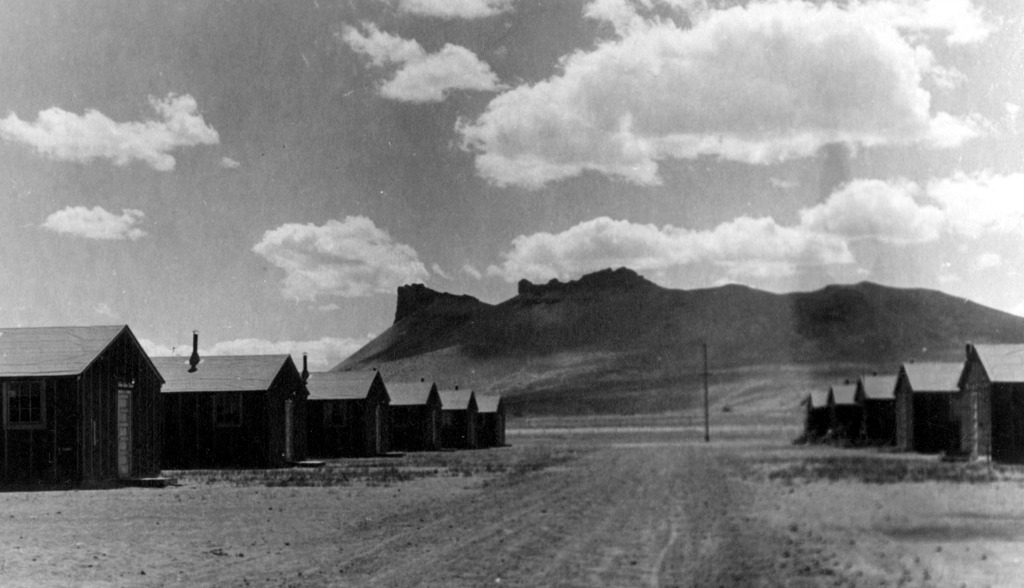
#1: First-hand accounts and historical interpretation are essential to understanding Japanese American wartime incarceration history.
History is continually interpreted in both the past and present, so understanding Japanese American incarceration during World War II requires both critical analysis and care. This history is remembered today largely because former incarcerees, descendants, community organizations, and scholars worked for decades to record oral histories and testimonies, write memoirs, and preserve photographs, documents, and historic places. Engaging directly with these primary sources helps students practice historical thinking and grapple with how incarceration affected real people. Secondary sources and historical interpretation help students understand how historians, scholars, and community members make meaning from primary sources, situate individual stories in a larger context, and evolve their understanding of the past as new evidence and questions emerge.
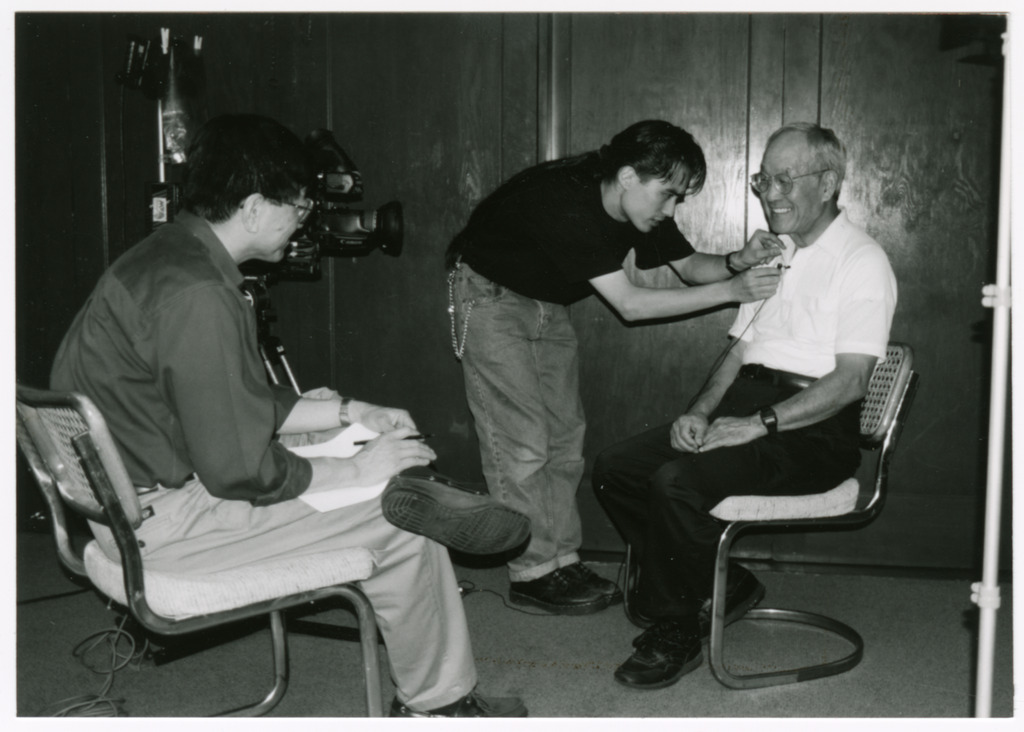
#2: Long-standing racism and xenophobia shaped the incarceration, and euphemistic language concealed its injustice.
Japanese American wartime incarceration was a culmination of decades of anti-Asian racism, xenophobia, and exclusionary laws that denied Japanese immigrants the right to citizenship, property, and full belonging. In the immediate aftermath of Pearl Harbor, anti-Asian racism swayed policymakers to incarcerate the community en masse. During World War II, government and military officials used euphemisms to downplay the nature of forced removal and imprisonment—language that continues to dictate public understanding, especially when left unexamined. By engaging with first-hand accounts, we can examine how language reflected, concealed, and reinforced long-standing racism—and why critically examining these patterns of discrimination is essential to understanding the incarceration itself.
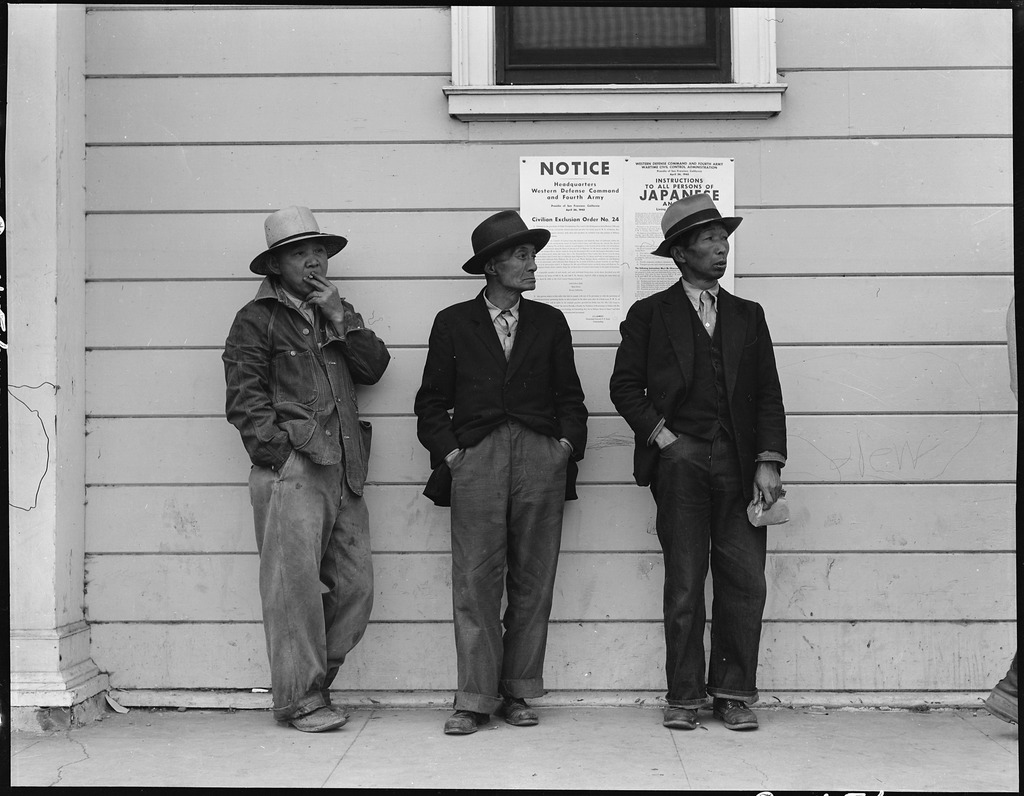
#3: Economic, political, and legal systems facilitated mass incarceration.
In the lead-up to Executive Order 9066, racism, intertwined with economic competition and political opportunism, fueled the anti-Japanese movement. Business owners, politicians, and military leaders used wartime fear to justify removing Japanese Americans from the West Coast. Political, military, and legal institutions failed to protect the constitutional rights of Japanese Americans. These systems stripped approximately 126,000 people of Japanese ancestry of their rights and freedoms. By examining both official records and personal testimony, we can practice critically interrogating economic, political, and legal forces at the time, while approaching this history with care for the people whose lives were shaped by these events.
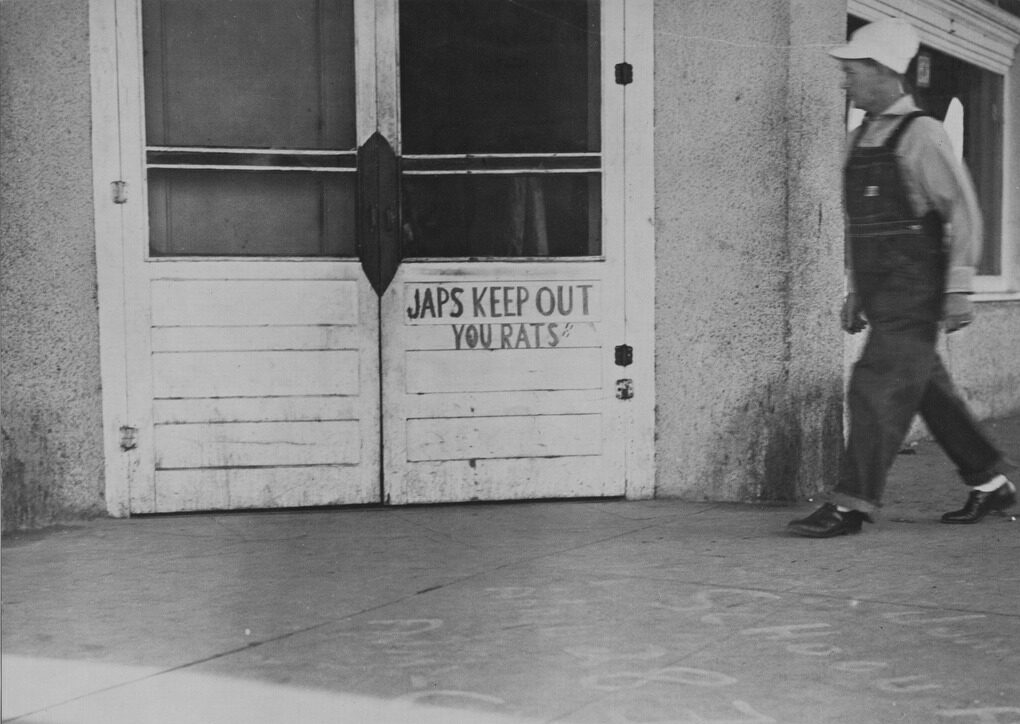
#4: The incarceration was unjust, unnecessary, and unconstitutional.
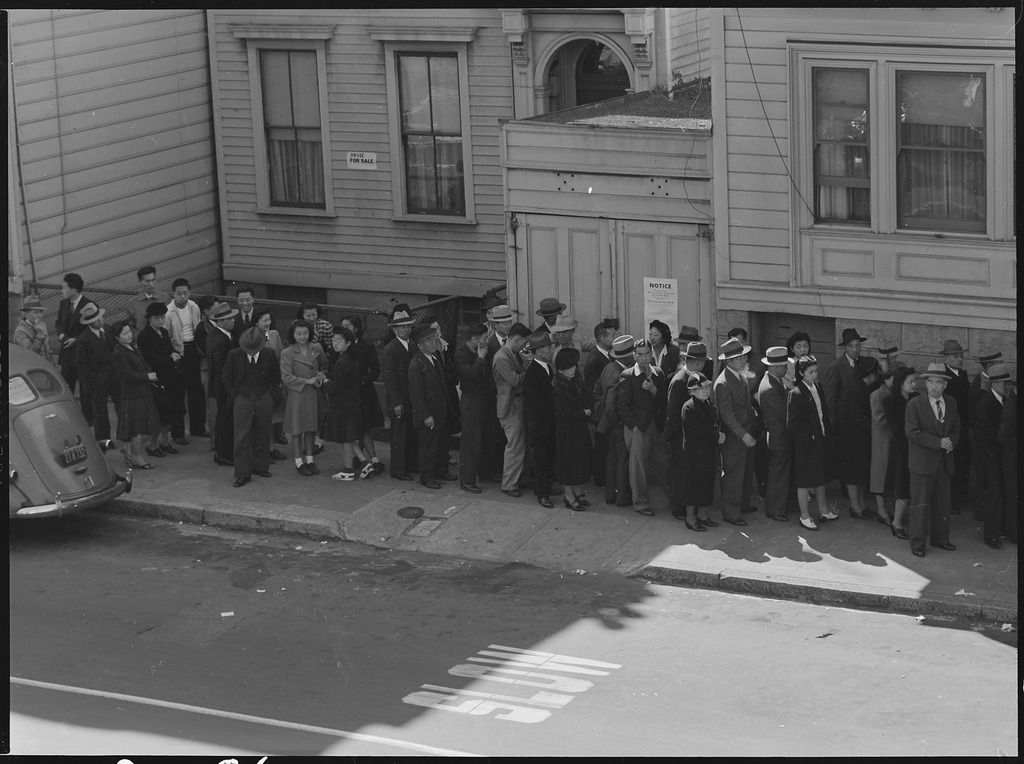
In the aftermath of the attack on Pearl Harbor, anti-Japanese racism that had built up over decades hardened into open suspicion, and the U.S. government used that climate to justify mass removal. Executive Order 9066 authorized the US government to exclude “any or all persons” from military areas. Although the order did not name Japanese Americans directly, it became the legal foundation for the mass forced removal and incarceration of Japanese Americans from the West Coast, making it one of the most consequential government documents in World War II and modern U.S. history. Decades of subsequent research and community advocacy confirmed that the policy was a grave injustice rooted in racism, wartime fear, economic opportunism, and political failure rather than security. Through firsthand accounts and preserved records, we can analyze how the government knowingly violated constitutional rights and how those decisions impacted the lives of real people, making this injustice a cautionary example rather than an abstract policy failure.
#5: The incarceration transcended borders to include Japanese Canadians and Japanese Latin Americans during World War II.
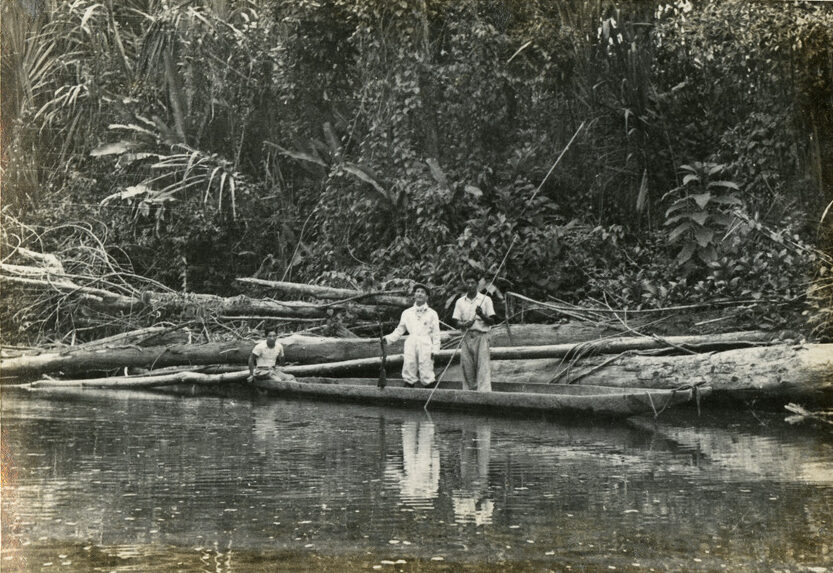
During World War II, governments across the Americas targeted people of Japanese descent for surveillance, detention, and forced displacement, but the policies differed. The United States incarcerated Japanese Americans en masse; in Canada, more than 22,000 Japanese Canadians were forcibly removed, dispossessed, confined, and exiled; and several Latin American countries, working with the U.S. government, deported over 2,200 Japanese Latin Americans to be imprisoned in U.S. camps. Within the United States, officials selectively detained some people of German and Italian ancestry and forcibly removed Alaska Natives from the Pribilof and Aleutian Islands, yet only Japanese Americans faced removal and incarceration on the basis of race alone. By comparing these distinct experiences across regions and communities, we can see how the choices governments made—shaped by racism and wartime fear—determined who was targeted, and how those harms reached beyond the war’s end.
#6: Japanese Americans resisted incarceration in a variety of ways.
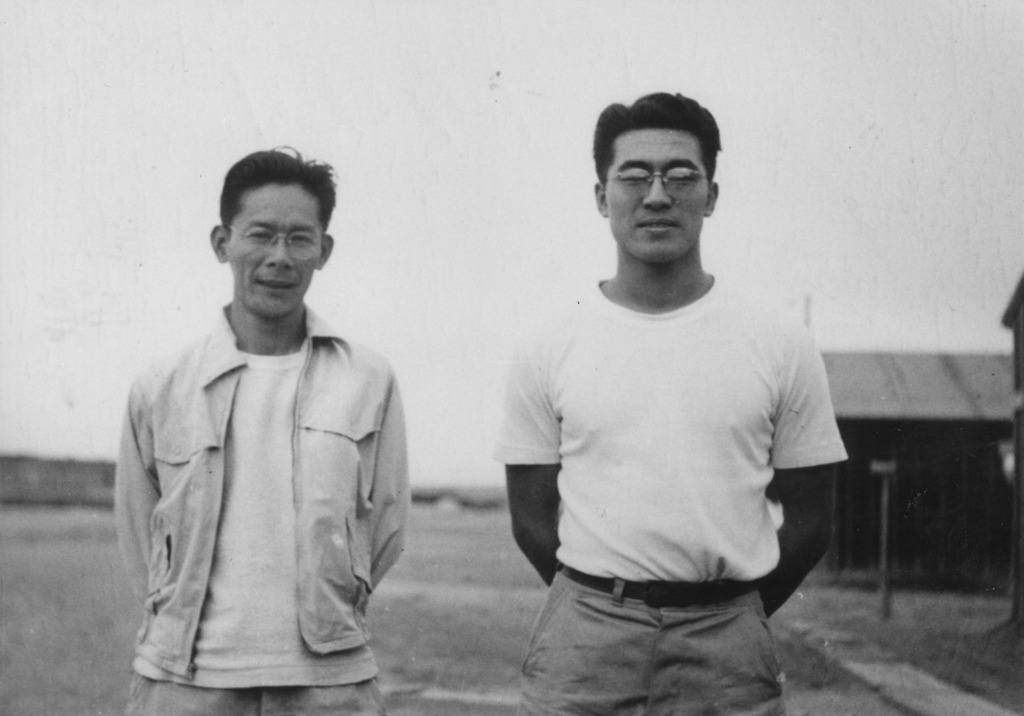
Resistance to incarceration took many forms: legal challenges, draft resistance, protest letters, strikes, creative expression, and everyday acts of self-preservation and survival. Even cooperating and complying with government regulations could be seen as attempts to challenge mainstream narratives of Japanese Americans as disloyal, treacherous, and saboteurs. By broadening what we recognize as resistance through personal and community records, we can challenge narrow definitions that erase complexity, better understand how people asserted agency under constraint, and recognize that movements for justice, both past and present, take many forms.
#7: Japanese Americans challenged and redefined notions of loyalty.
During incarceration, Japanese Americans were forced to confront questions of allegiance in a nation that had betrayed their trust and violated their rights. The government’s 1943 “loyalty questionnaire” opened deep divisions within families and communities that have resonated across generations, with some Japanese Americans later choosing to resist the draft and others choosing to serve in the military. Engaging with first-hand accounts alongside official records reveals not only how people navigated these pressures, but also how they refused the binary of “loyal” versus “disloyal” that the government and mainstream media imposed, insisting on the right to define loyalty, and themselves, on their own terms.
#8: Japanese Americans experienced incarceration and resettlement in different ways, but remained connected by a shared injustice.
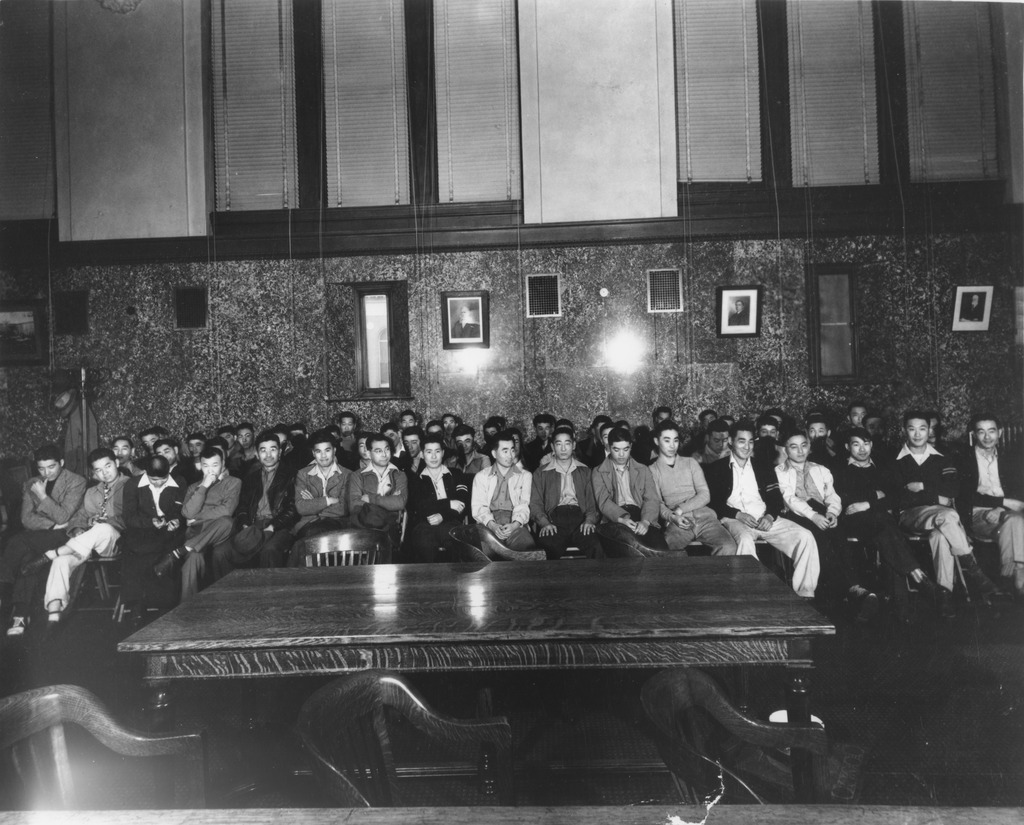
The depth and breadth of individual stories preserved in letters, photographs, and oral histories reveal that Japanese Americans lived through World War II and its aftermath in widely different ways, shaped by identity, geography, generation, and circumstance. During incarceration, people responded according to their age, citizenship, family roles, and beliefs: resisting, complying, enduring, and finding different ways to survive. After the war, those differences carried into resettlement, as individuals and families rebuilt their lives amid ongoing discrimination, economic hardship, and displacement, and sustained ties to one another through kinship, community institutions, and a shared history of forced removal and incarceration.
#9: After the war, Japanese Americans fought to hold the government accountable for its role in the incarceration and to have the event formally acknowledged as unjust.
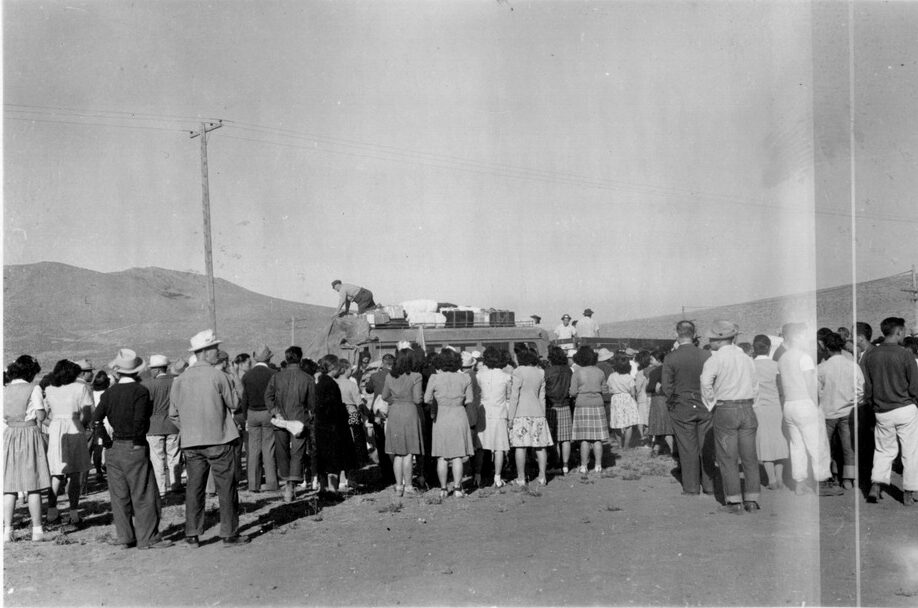
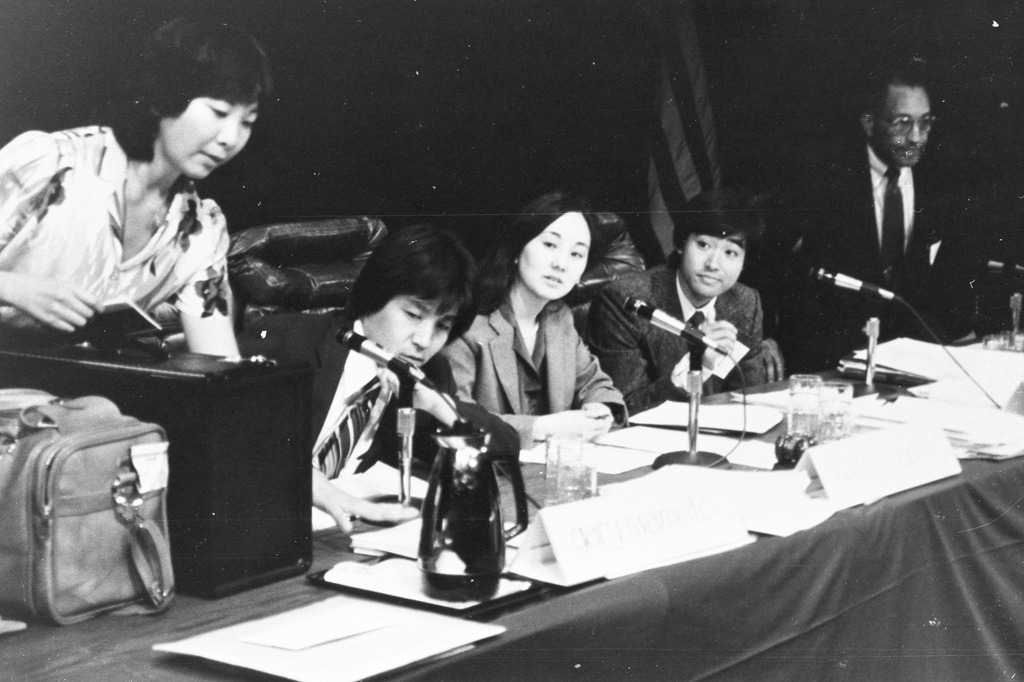
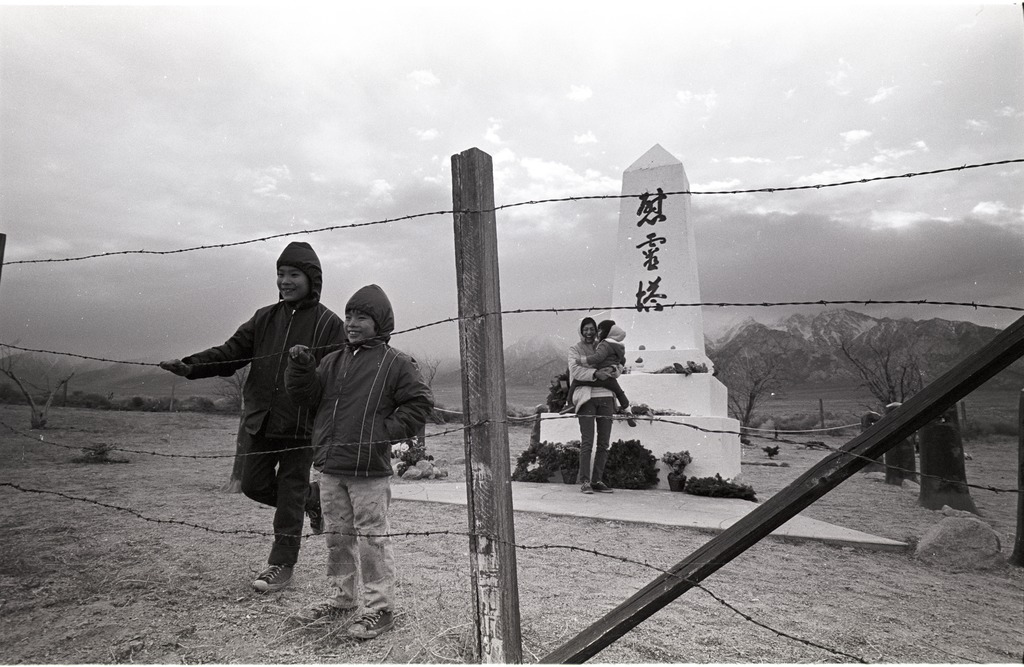
For decades after the war, many former incarcerees remained silent, focusing on rebuilding their lives amid continued discrimination. Beginning in the 1960s and 1970s, survivors and their descendants reframed incarceration as a civil rights violation and organized a sustained movement that led the government to pass the Civil Liberties Act of 1988, which included an apology, compensation, and an education fund. Pilgrimages helped build community memory and political consciousness before, during, and after the Redress Movement. By examining the history of this movement through testimony and archival records, we can see how storytelling and community organizing led to public and government accountability. Teachers can also help students understand the impossibility of full reparation and restitution, for example, by recognizing who was excluded from redress.
#10: Incarceration history intersects with other histories, including ongoing struggles for civil and human rights.
The history of Japanese American incarceration is connected to broader histories of racial and state-sanctioned violence, including Indigenous land dispossession and genocide, enslavement and mass incarceration, and exclusionary immigration policies. These intersections reveal how systems of racism and exclusion have shaped the United States over centuries and continue to operate today. By situating the incarceration within these intertwined histories, we can understand it not as an anomaly, but as part of enduring struggles over power, belonging, and civil rights, encouraging reflection on how these patterns continue to shape the present. Japanese Americans have actively linked their history to other struggles, drawing on the Black Civil Rights Movement during the Redress Movement and, in later decades, speaking out against the targeting of other communities.
For a list of sources referenced to develop these guidelines, please click here.
This material is based upon work assisted by a grant from the U.S. Department of the Interior, National Park Service.