September 16, 2026
Since the publication of our article, Densho Opposes Plans to Close National Archives Facilities in Chicago and San Bruno, there has been significant community and legislative action taken to stop the closures. In this piece, Archives Director Caitlin Oiye Coon shares what steps Densho plans to take to continue protecting records that are at risk of being damaged or completely lost before digitization.
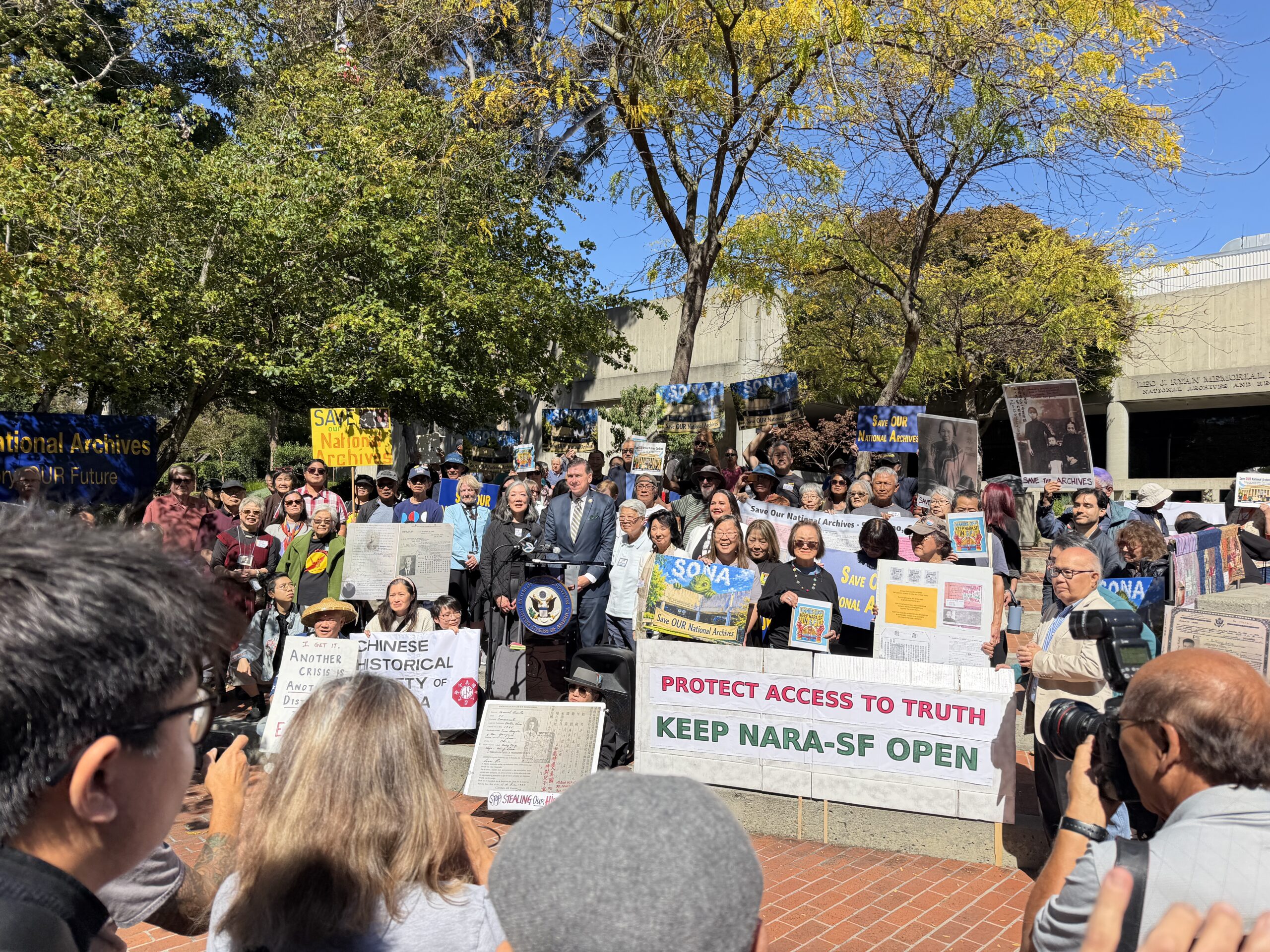
Since the announcement to close the San Bruno and Chicago National Archives sites, communities and organizations rallied to push back and demand governmental accountability. Political leadership heard our concerns, and as a result, movement has occurred on a number of fronts. On August 24, Rep. Kevin Mullin (CA-17) held a press conference outside the San Bruno facility, where he and several other community leaders emphasized the importance of the location and the archives it holds. “Each time I come to the National Archives, I learn something new and I’m blown away by the rich history within those walls. These records hold deep value to the community and tell our collective story,” said Rep. Mullin.
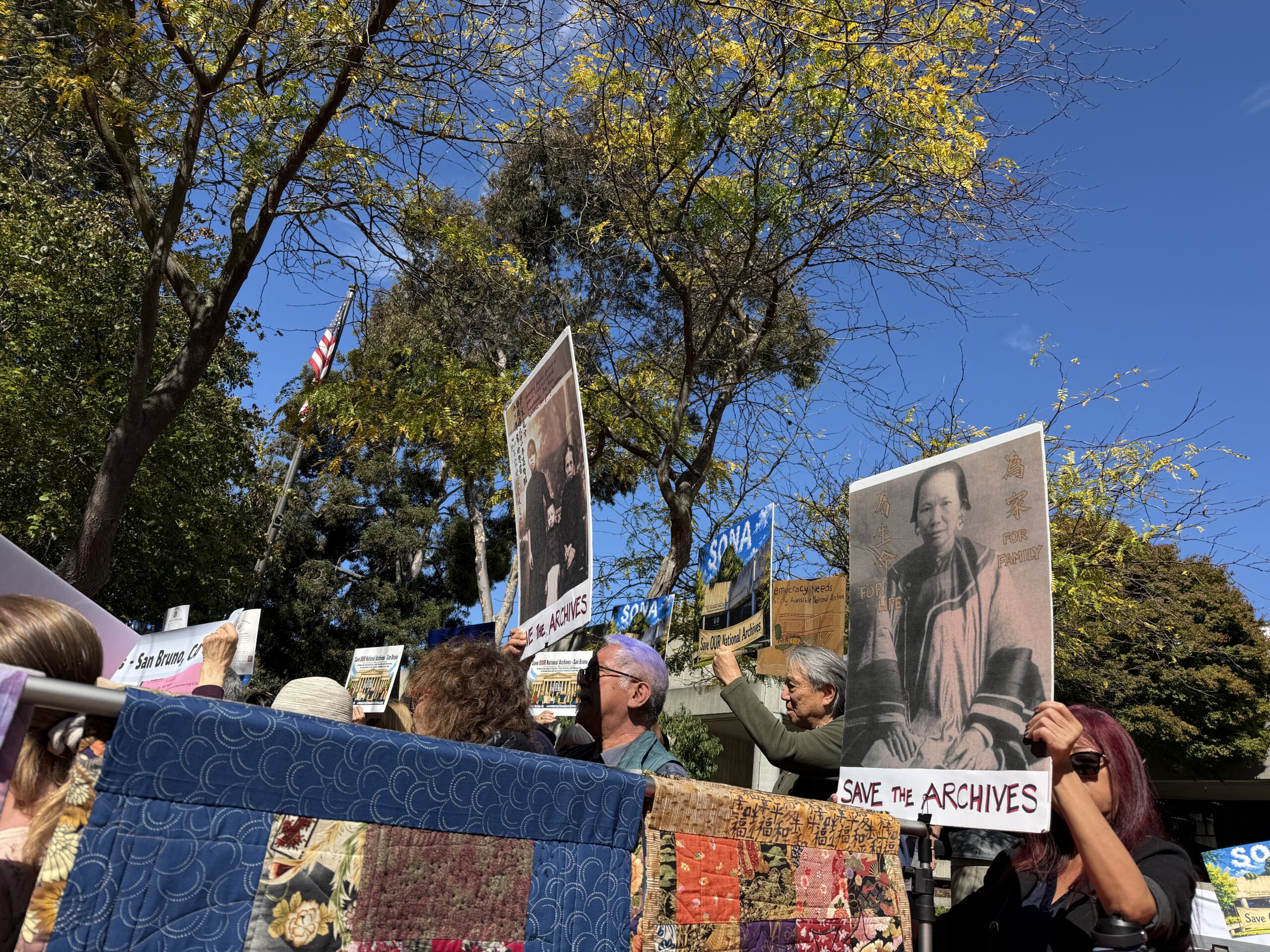
More than 40 congressional representatives across the country have also written letters to Bradford Wilson, Archivist of the United States, demanding a halt to the closure. In addition, Rep. Mullin and Rep. Judy Chu (CA-28) introduced a new federal bill, the National Archives Protection Act H.B. 10131, which would require congressional approval for any National Archives facility closures. As of today, there are ten House sponsors and we hope for more to join before the end of the next voting session.
Densho’s Plans to Protect Records
San Bruno holds many records documenting the Asian American experience, some of which directly relate to the internment and incarceration of Japanese Americans during World War II. There are records documenting the Assembly Centers, interned Japanese immigrants from Hawai’i, business and personal property losses, citizenship renunciation, and other administrative documentation of the incarceration. Even with the help of some of our amazing volunteers, it is not feasible for us to digitize all the materials in a short period of time, leading us to prioritize collections that fulfill three main requirements: 1) there are no privacy concerns; 2) the condition of the materials make them easy to digitize; and 3) they provide new or impactful information to researchers.
We currently have appointments scheduled for six weeks through the end of the year when volunteers and Densho staff can spend the day scanning at San Bruno. We will focus on three series of archives:
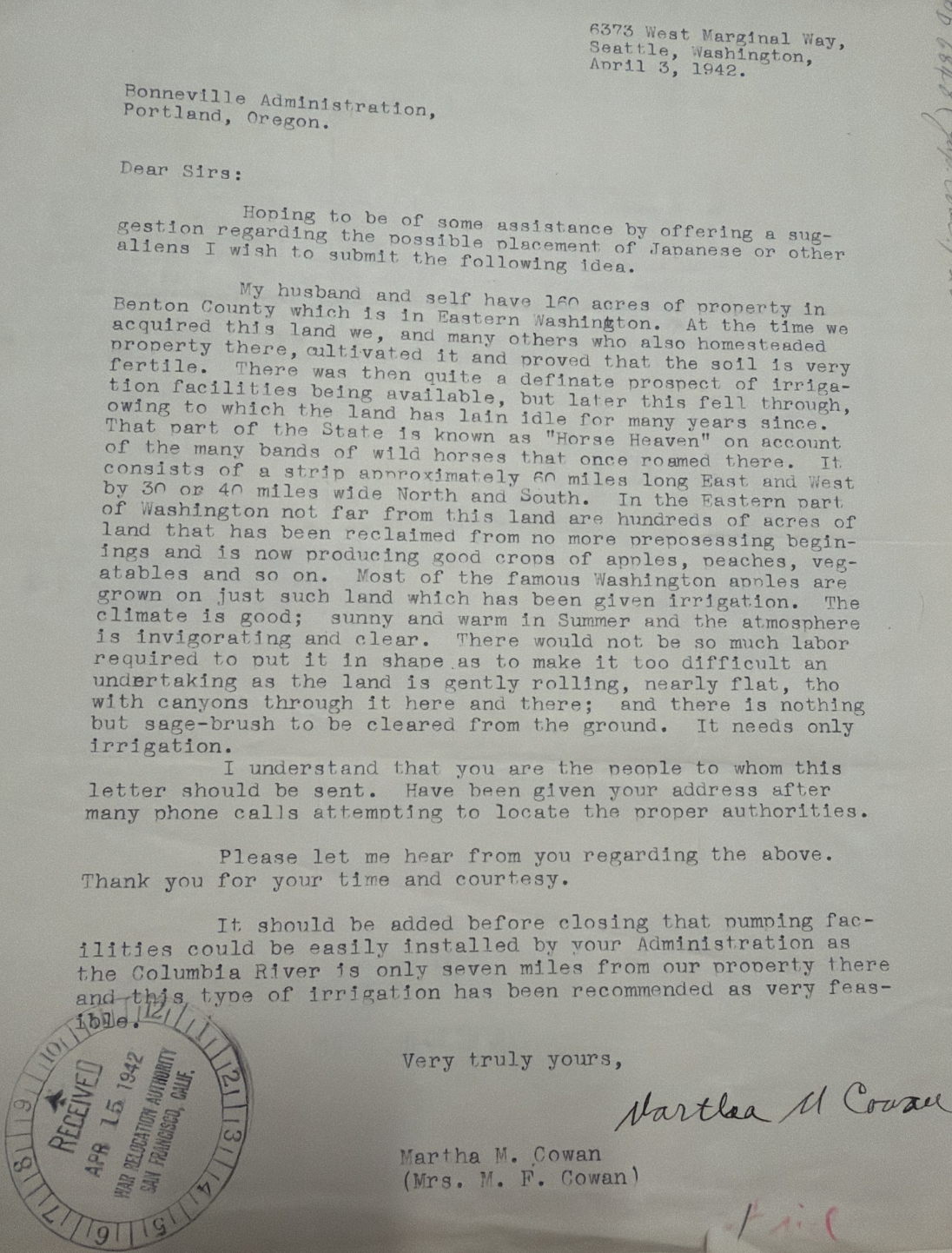
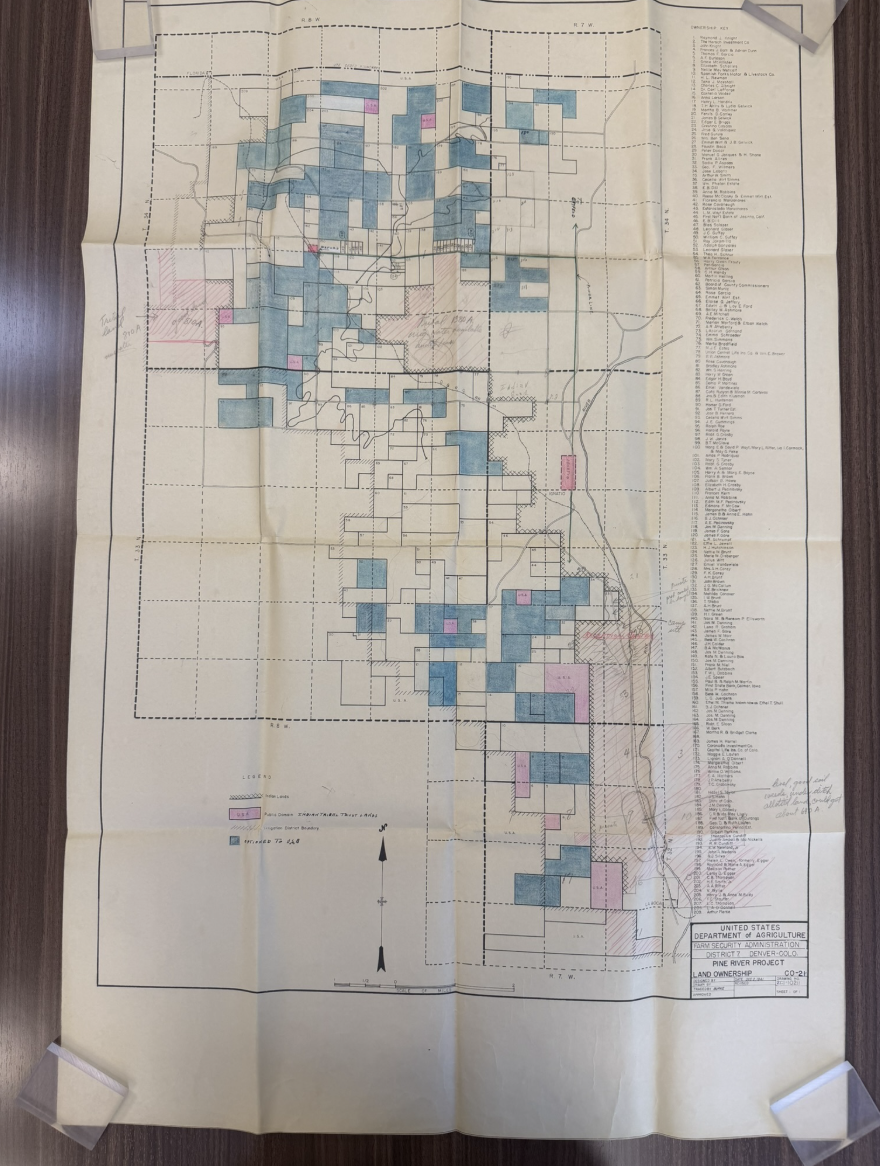
The first is the “War Relocation Records, 1942-1942 from RG 83, Bureau of Agricultural Resources” (NAID 72017194). This series is a fascinating look at the decision-making process on where to locate the ten incarceration camps. Records include states across the West Coast, Midwest, and South, and include the mentions of several sites that were not selected.
The second is a smaller series, “Records Relating to Japanese Americans from RG 181, Naval Districts and Shore Establishments” (NAID 314993816), which documents the discussion to remove Japanese Americans in Hawai’i from areas in Oahu.
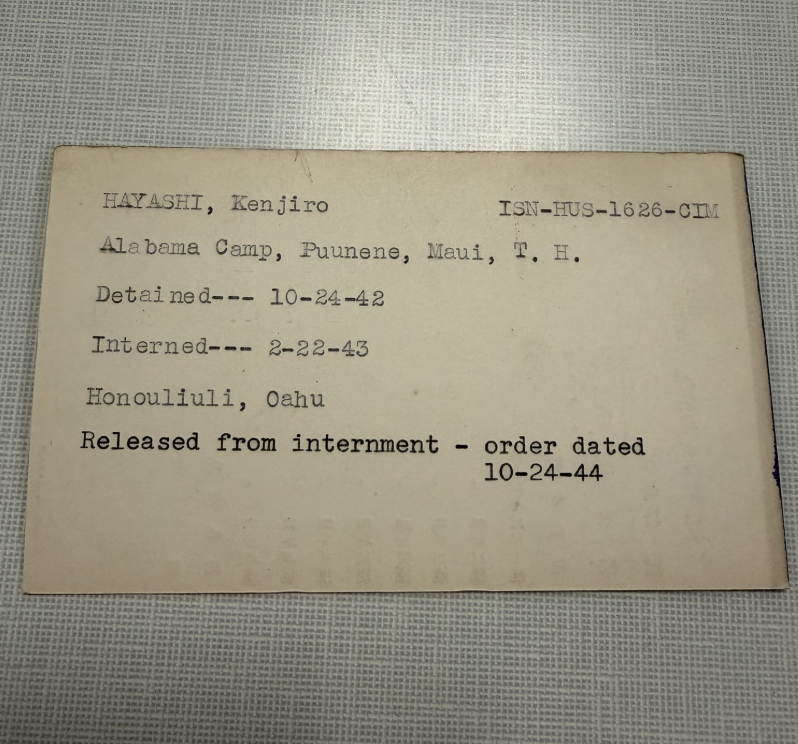
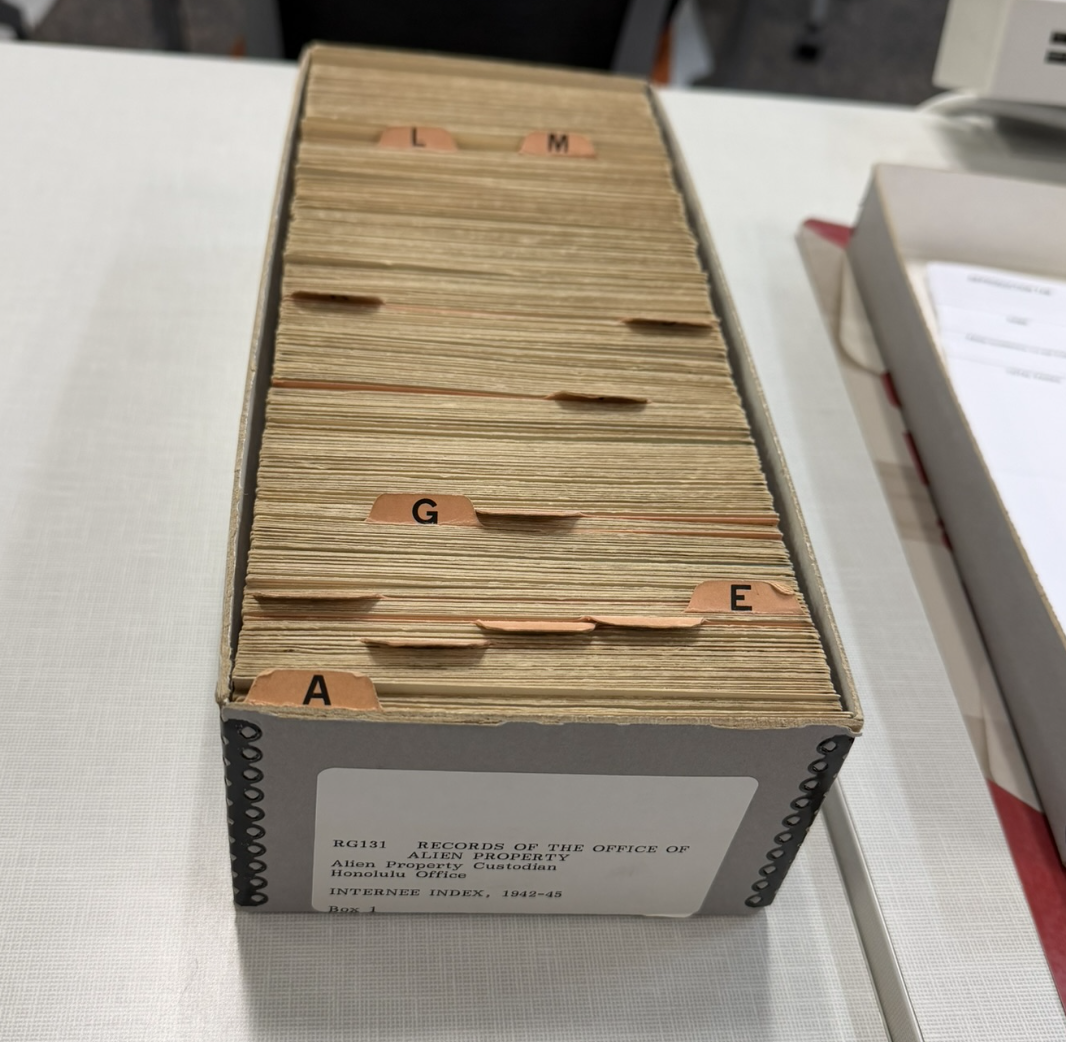
The third series we will focus on is “Internee Index, 1942-1945 from RG 181, Office of Alien Property” (NAID 72012516), which provides information about Japanese Americans from Hawai’i who were interned in both Hawai’i and the mainland.
What Can You Do?
We still need your help! Groups like SONA, Tsuru for Solidarity, Chicago Area Archivists, and many others are working tirelessly to pressure leadership to halt the closures, but your voice matters and is vital. Call or write to your representatives and tell them you oppose these closures. We need support across the country and a collective protest makes a significant difference. Find your representatives here: https://www.house.gov/representatives/find-your-representative.
You can also write directly to the Archivist of the United States. For guidance on how to craft a letter and suggested talking points can be found here: https://www.saveournationalarchives.org/take-action.
—
By Caitlin Oiye Coon, Densho Archives Director