Category: guest post
View Other Categories
Nikkei Art in Transnational Perspective
In this collaborative reflection, four Nikkei researchers from the United States, Canada, Brazil, and Australia share insights from their ongoing project examining how contemporary Nikkei art and artists engage with…
Importance of Accessibility at Historic Sites
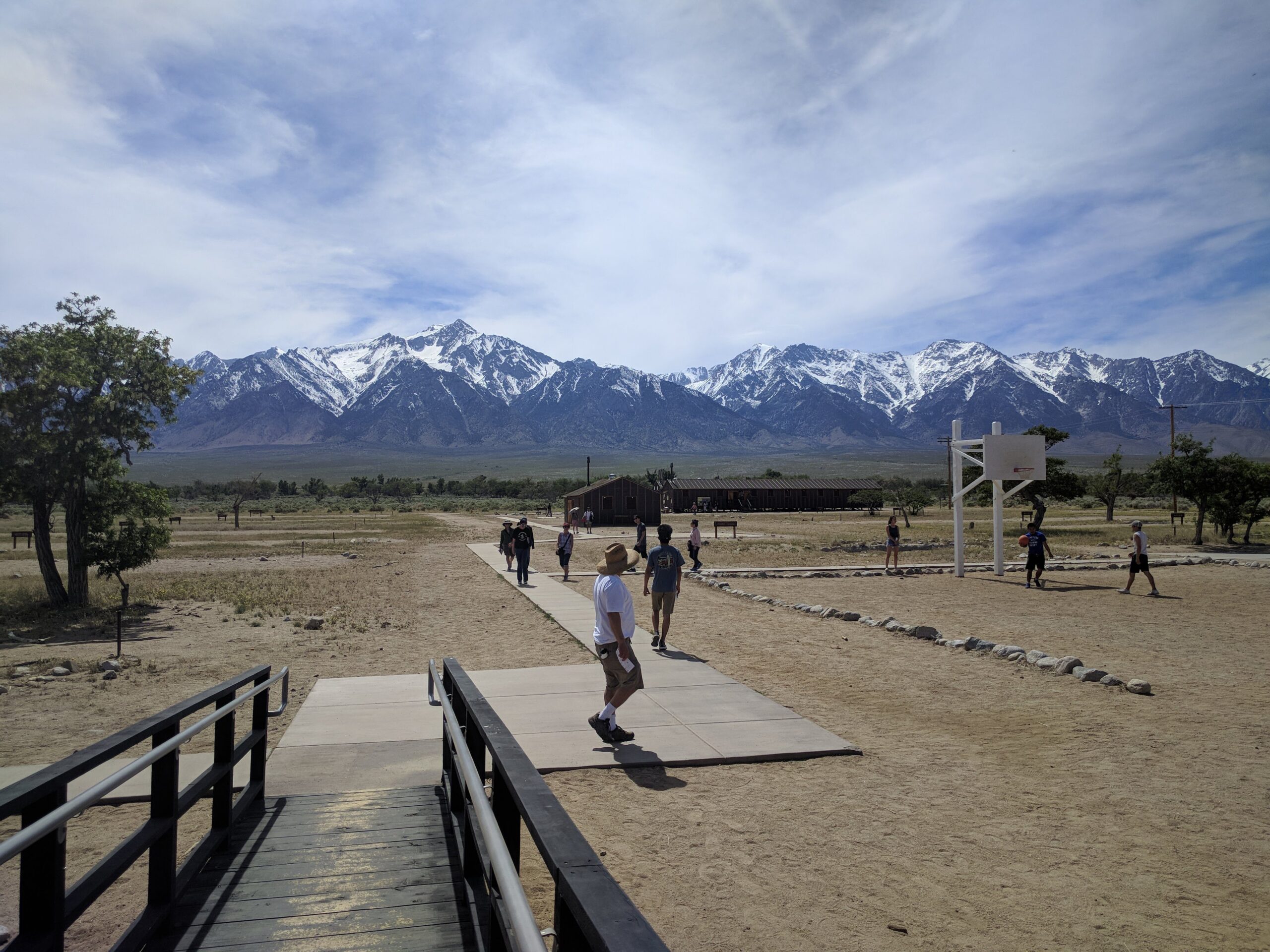
In this guest contribution, historian and PhD student Selena Moon explores the importance of accessibility at historic sites, highlighting how many sites have been and continue to be inaccessible. She…
An Archive of Fact and Fiction: A Review of Karen Tei Yamashita’s “Questions 27 & 28”
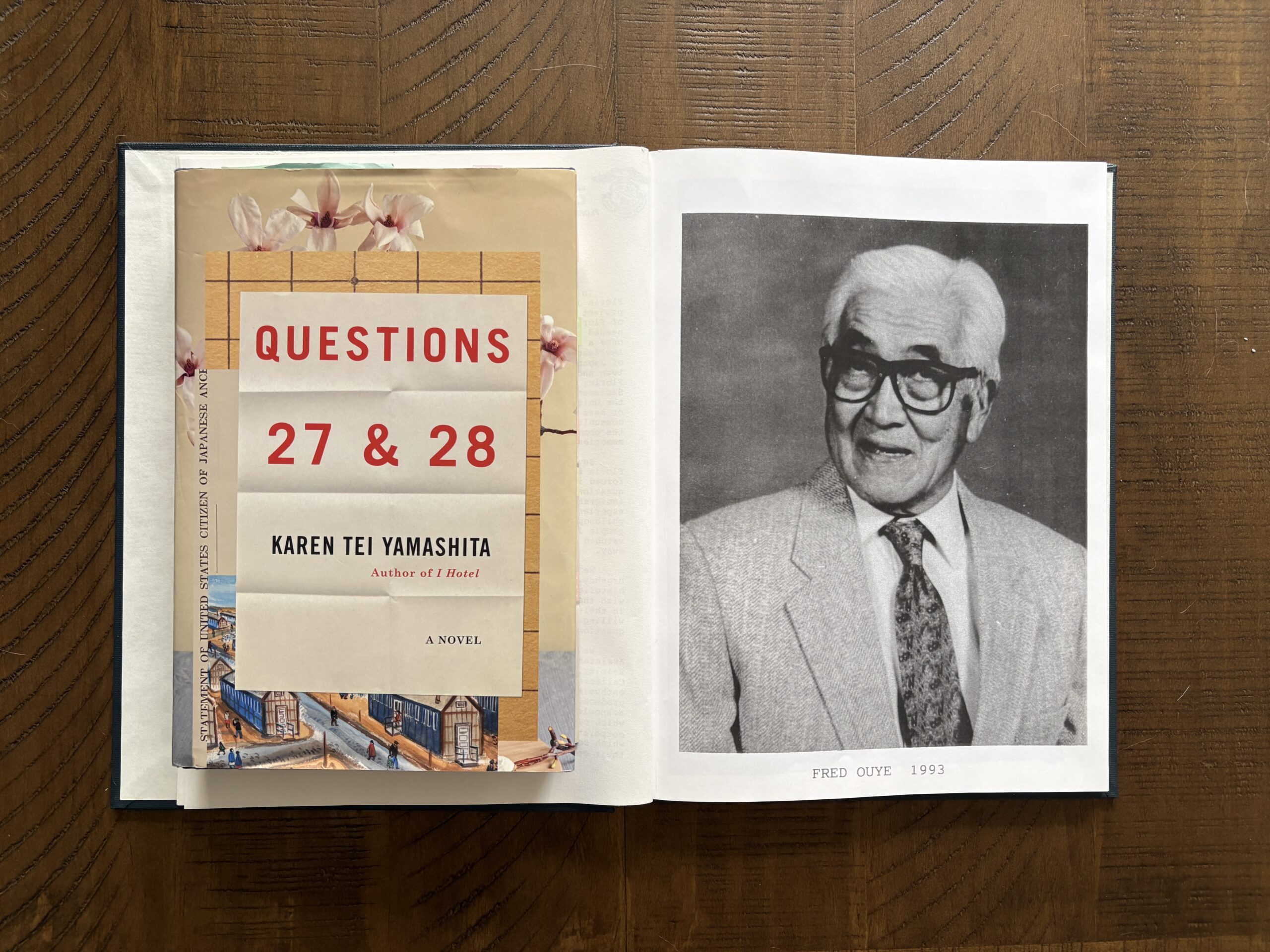
In this guest contribution, UCLA PhD Student Amber Hisatomi reviews Karen Tei Yamashita’s new novel, Questions 27 & 28. The book captures the movement and history of Japanese Americans from…
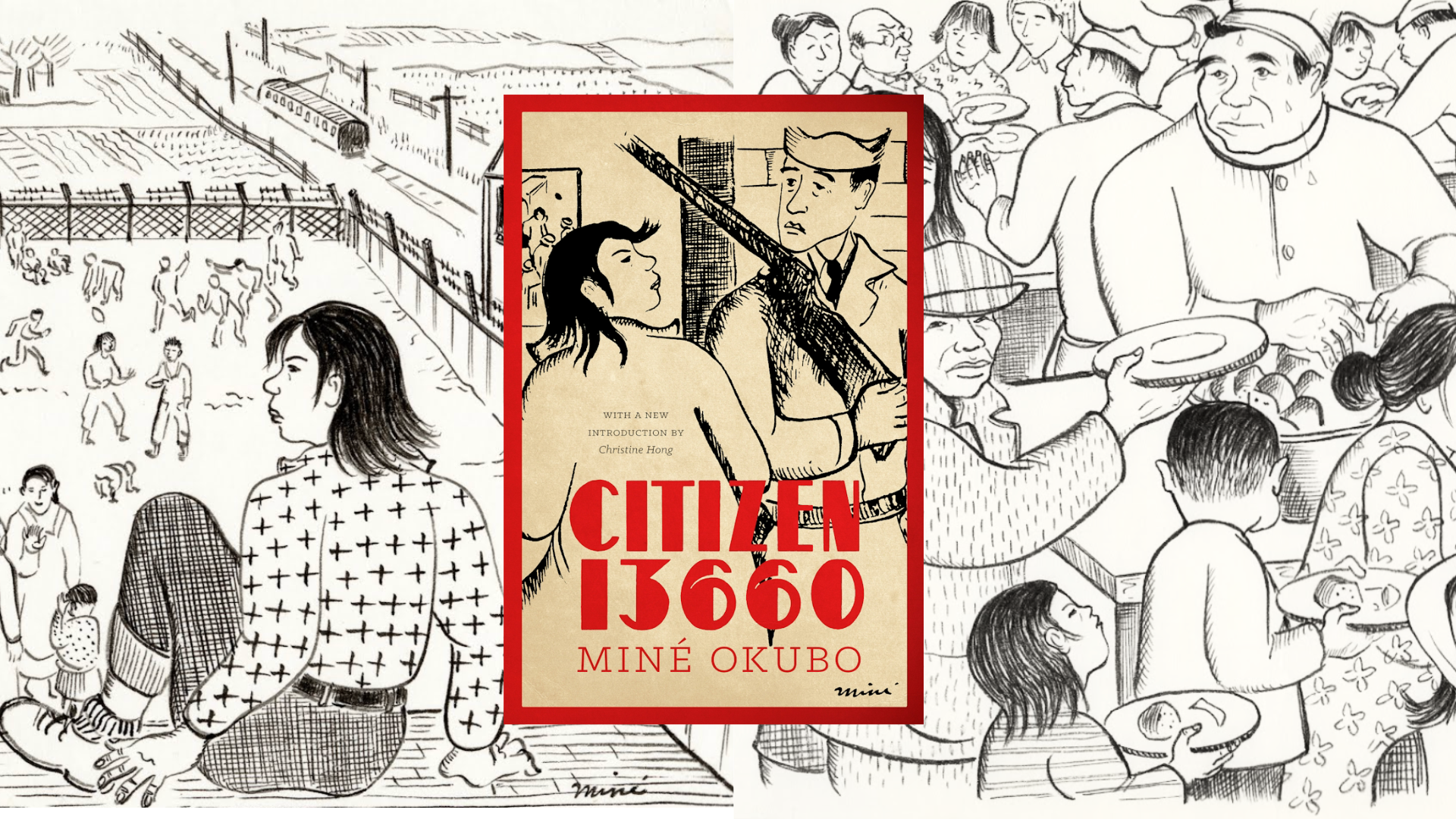
Miné Okubo’s Citizen 13660: Drawing as Documentation and Resistance
Decades before the modern graphic novel emerged as a popular genre, Miné Okubo’s Citizen 13660 used visual storytelling to document the trauma of WWII Japanese American incarceration. In this guest…
Japanese American Community Excitement and Opinions about Rachel Maddow’s “Burn Order”
In this collaborative post, Japanese American community members and organizers reflect on the impact, value, and effects of the MS NOW podcast Rachel Maddow Presents: Burn Order. The podcast, released…

Eric L. Muller: Guest Perspective on Rachel Maddow’s “Burn Order”
Legal historian Eric L. Muller—Dan K. Moore Distinguished Professor, University of North Carolina at Chapel Hill—raises important historiographical questions about MS NOW’s podcast Rachel Maddow Presents: Burn Order. Looking closely…
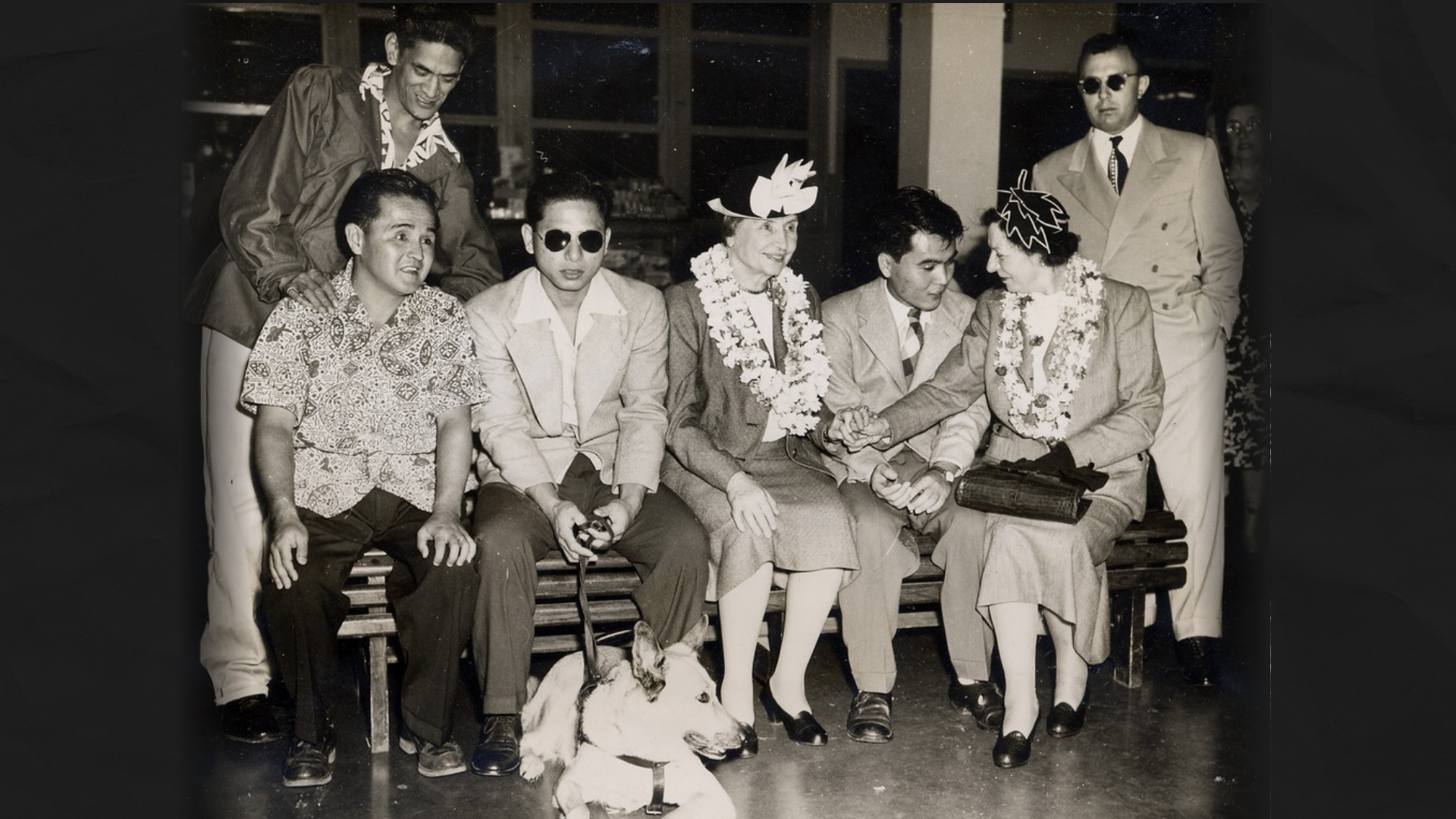
Ask a Historian: What were the Experiences of Disabled People during WWII Incarceration?
In this new installment of our running “Ask A Historian” series, guest writer Selena Moon—a PhD student researching Japanese American disability history and working on accessibility in various realms—explores the…
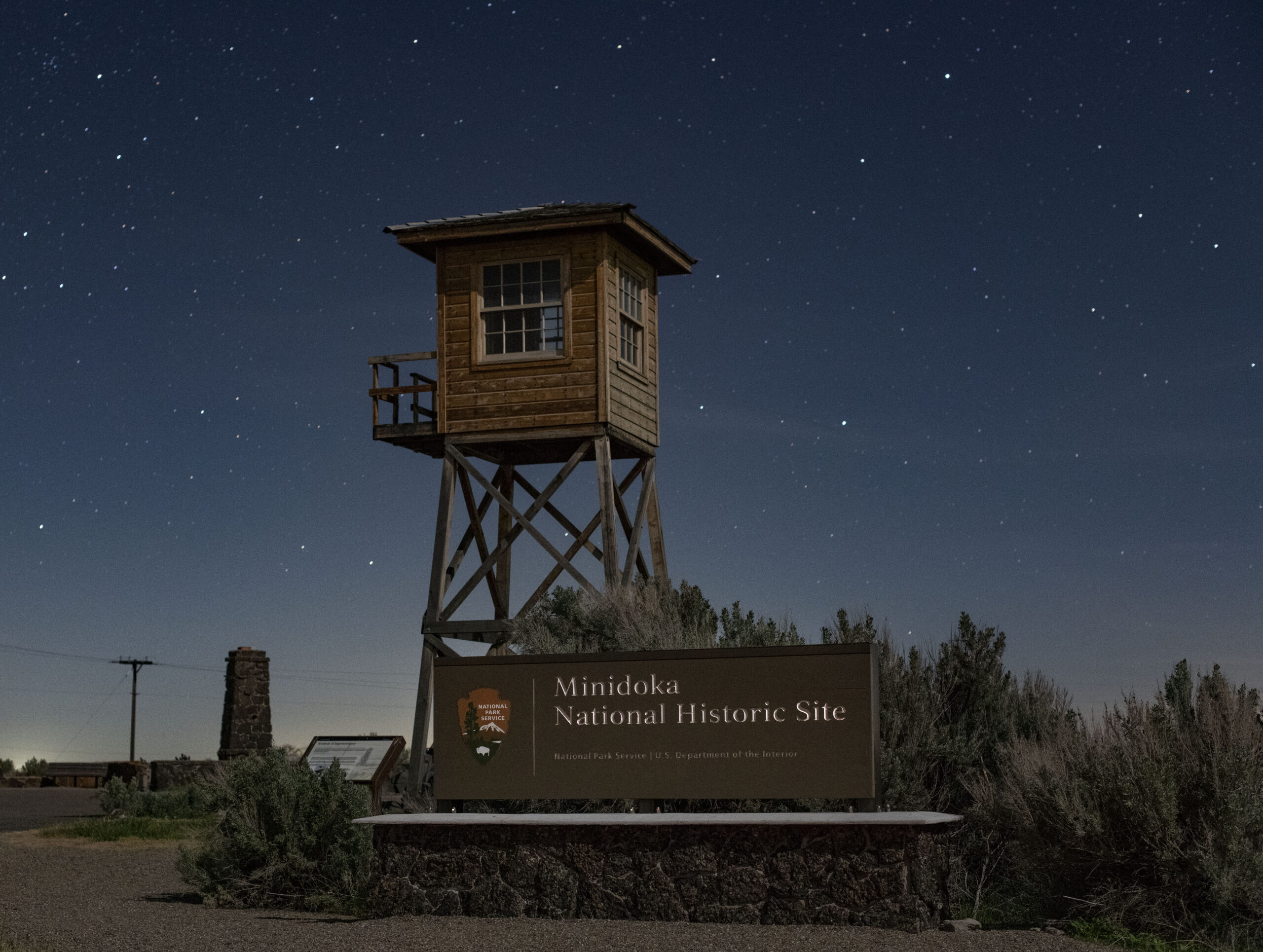
Celebrating 25 Years of Minidoka National Historic Site: A Testament to Resilience and Remembrance
In this special guest post, Hanako Wakatsuki-Chong (Executive Director of the Japanese American Museum of Oregon) reflects on and celebrates the 25th anniversary of Minidoka National Historic Site joining the…
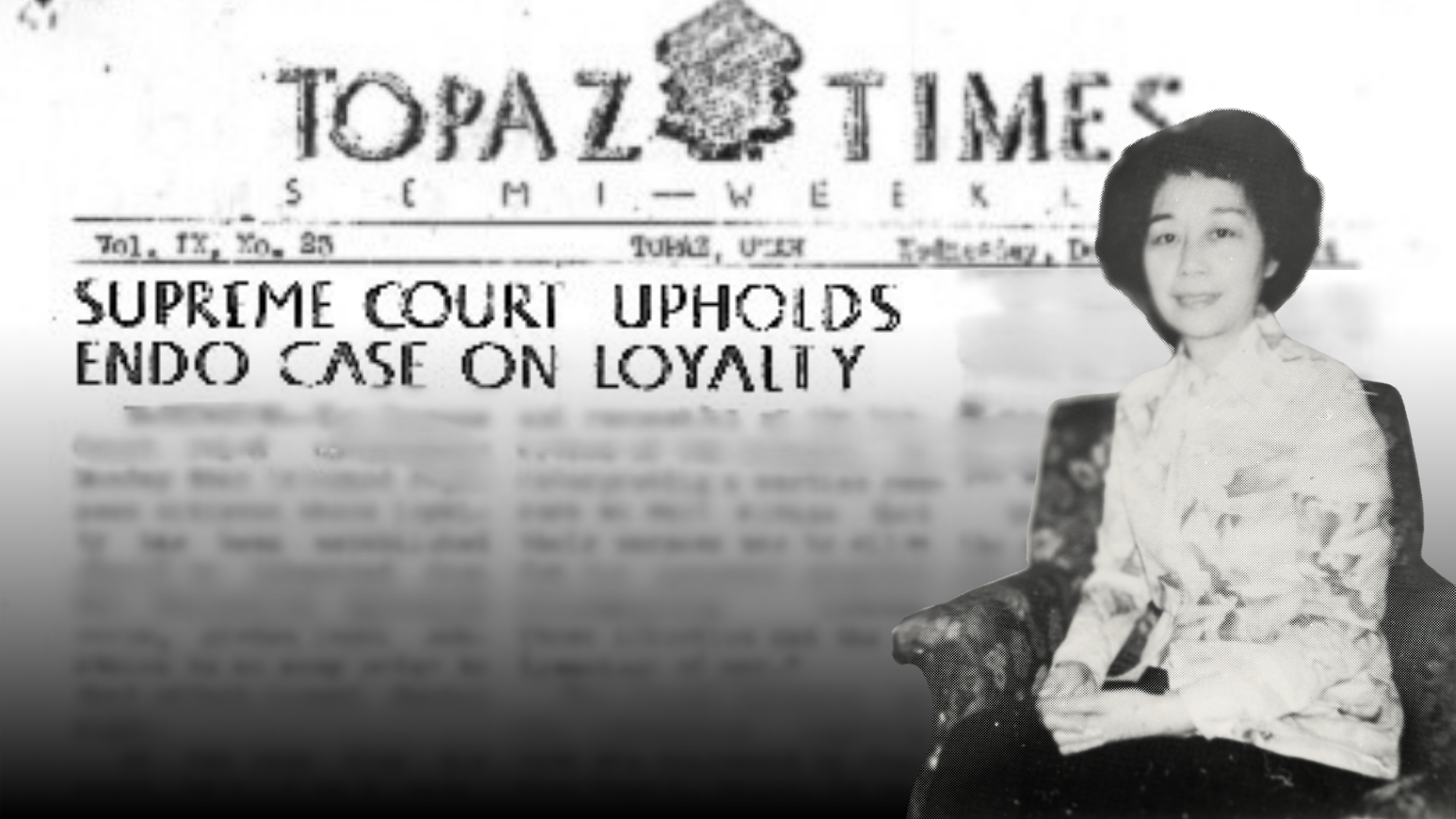
Remembering Mitsuye Endo and the Supreme Court Case That Helped End Incarceration
In honor of the anniversary of the landmark decision Ex Parte Endo, legal scholar and Professor Emerita Lorraine Bannai explores the case and woman who helped bring an end to…
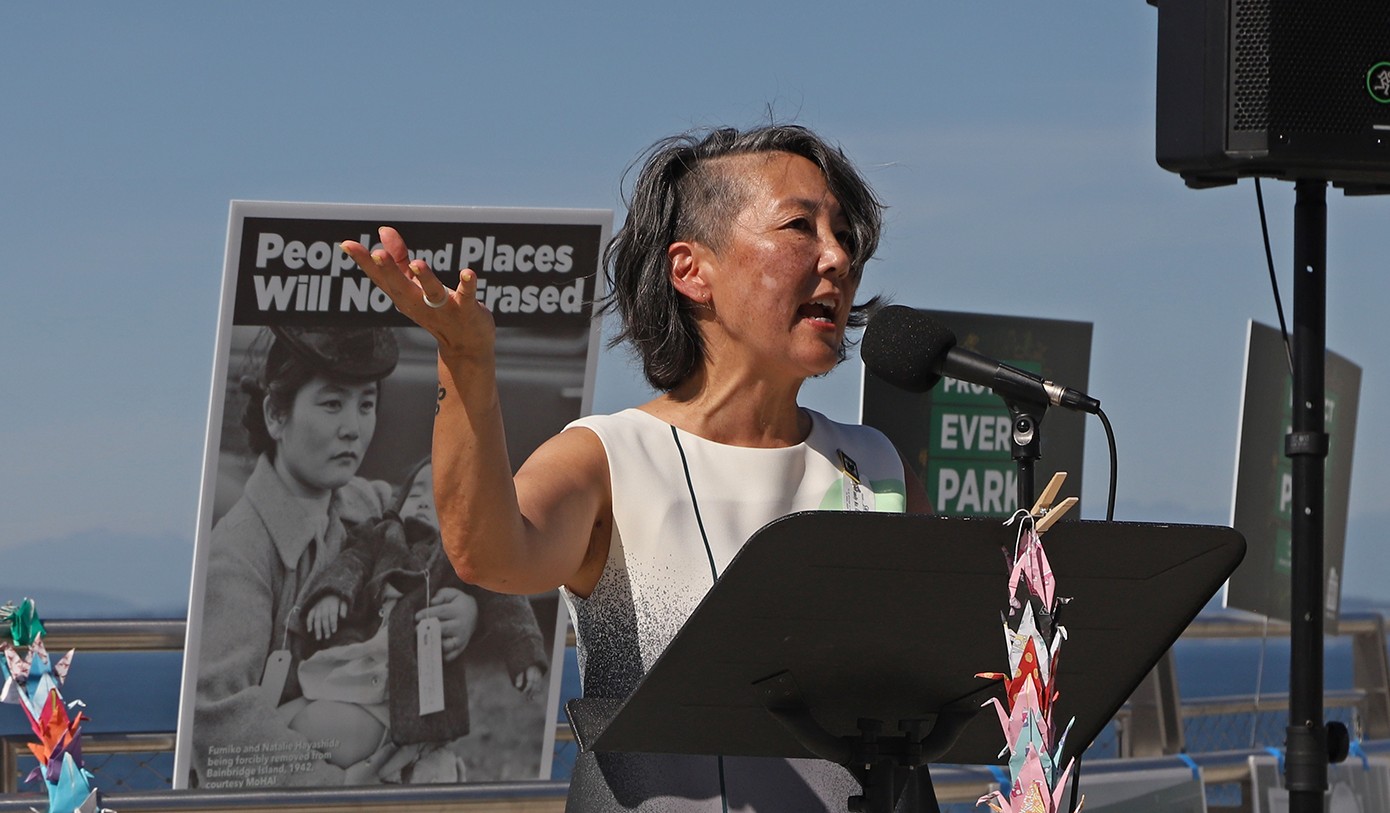
A Minidoka Descendant Speaks Out to Say Our History Won’t Be Erased
On August 23, people across the country came together for a day of action to Protect Every Park, standing united against attempts to erase marginalized histories like Japanese American WWII…
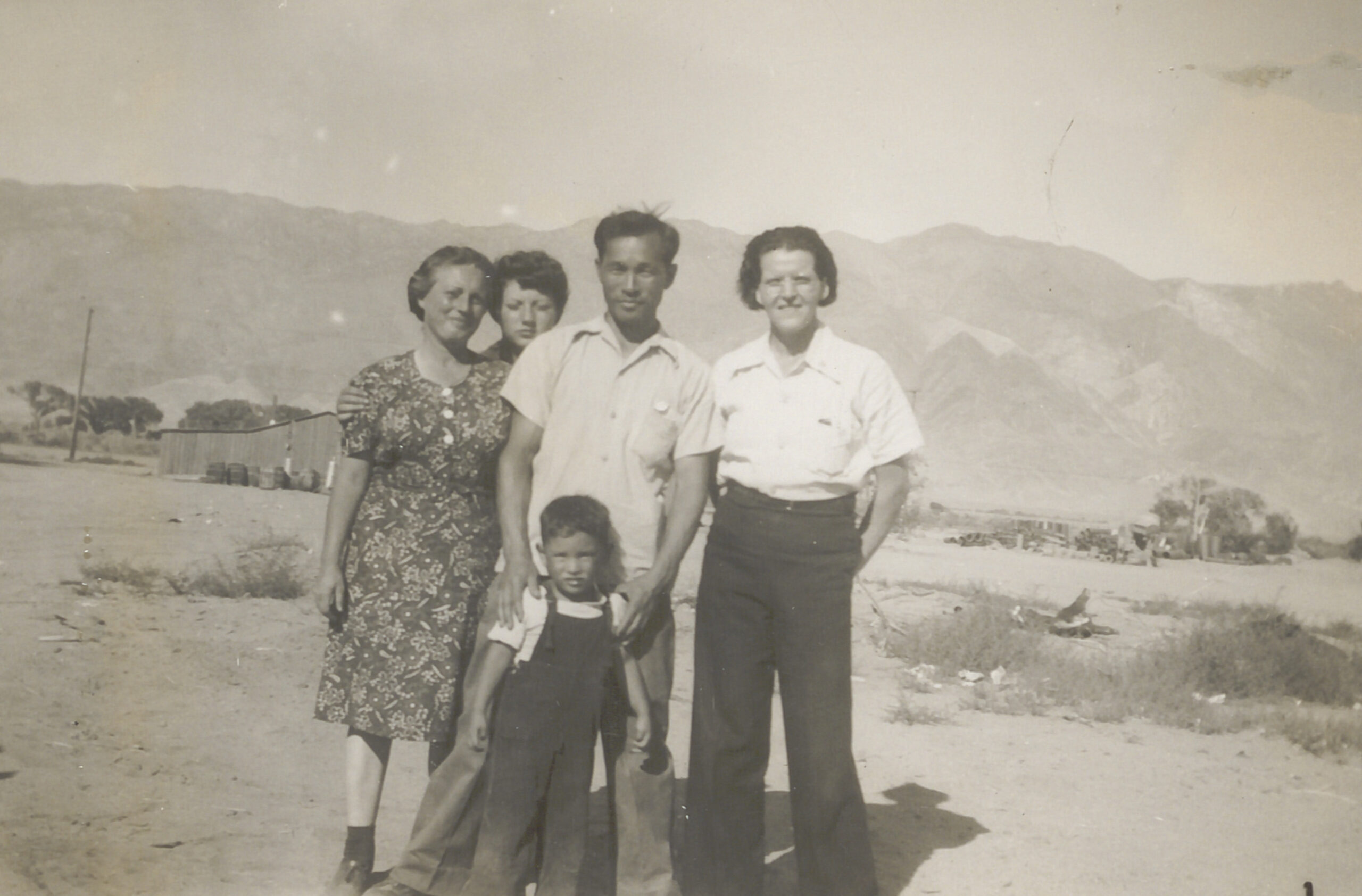
Racial Obsession, Family Separation, and the Mixed Marriage Policy of America’s WWII Concentration Camps
In this excerpt adapted from her new narrative history, Together in Manzanar: The True Story of a Japanese Jewish Family in an American Concentration Camp, Tracy Slater delves into the…
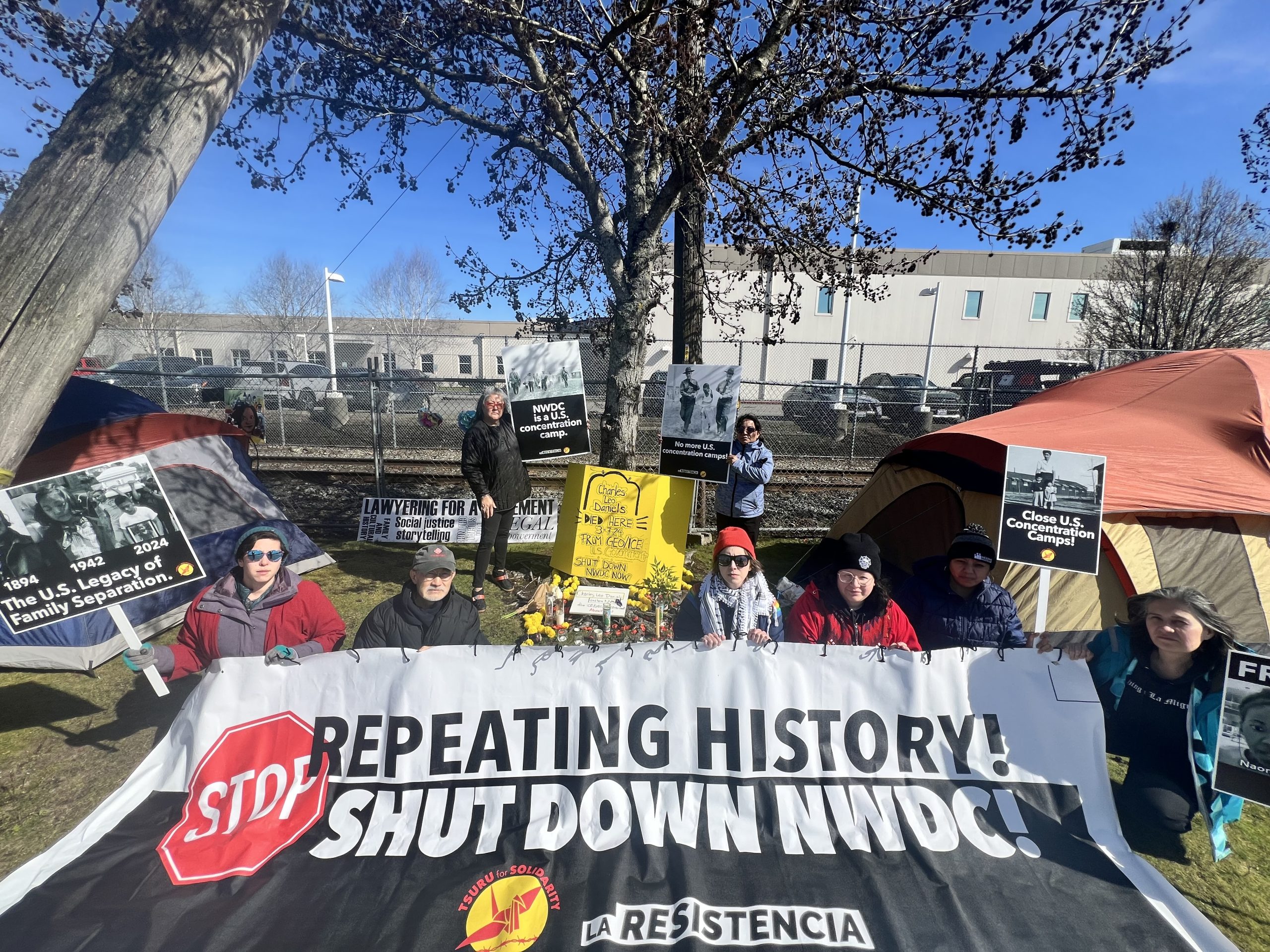
A Poston Survivor Speaks Out To Say “Stop Repeating History!”
Last month, we joined a special gathering of the Seattle Japanese American community hosted by Tsuru for Solidarity. Around 150 people came together to reflect on the connections between the…
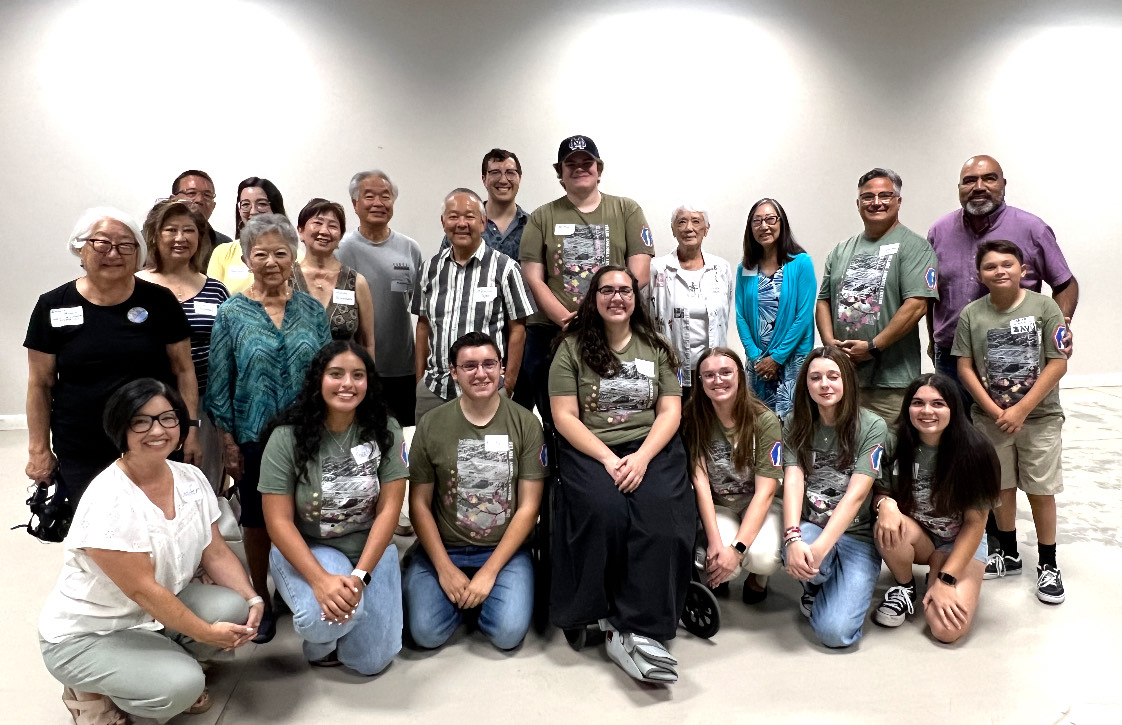
A Tulare Memorial Project Sheds New Light on a Little Known WWII Incarceration Site
Dr. Koji Lau-Ozawa is a postdoctoral fellow at UCLA and archaeologist studying the Japanese diaspora and intersections of Asian American and Indigenous histories. Much of his research focuses on the…
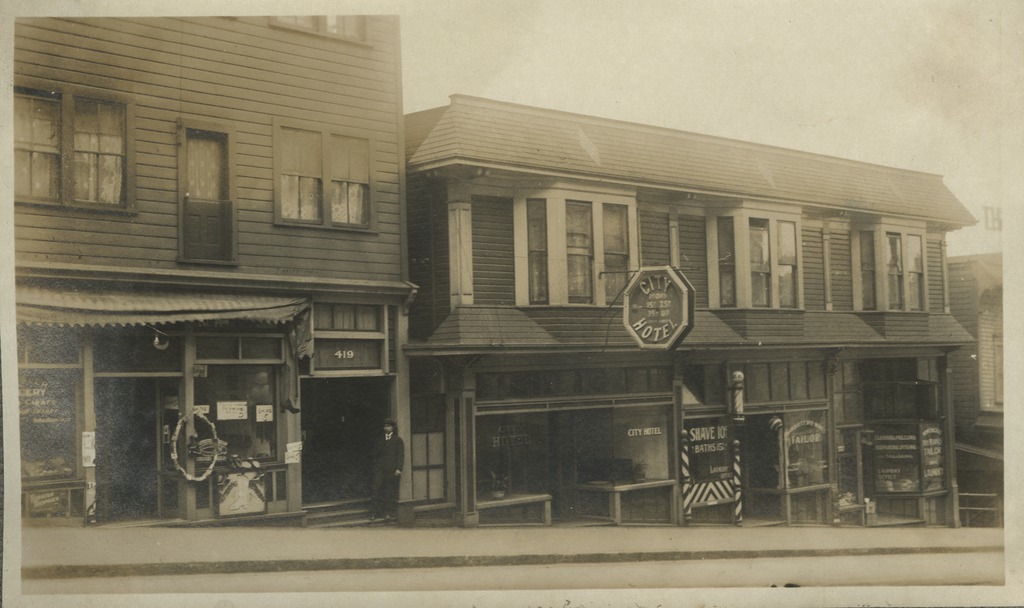
Seattle’s Japantown Was Once Part of a Bustling Red Light District — Until Its “Troublesome” Residents Were Pushed Out
In Seattle from the Margins: Exclusion, Erasure, and the Making of a Pacific Coast City historian Megan Asaka examines the erased histories of the communities who built Seattle. In this…
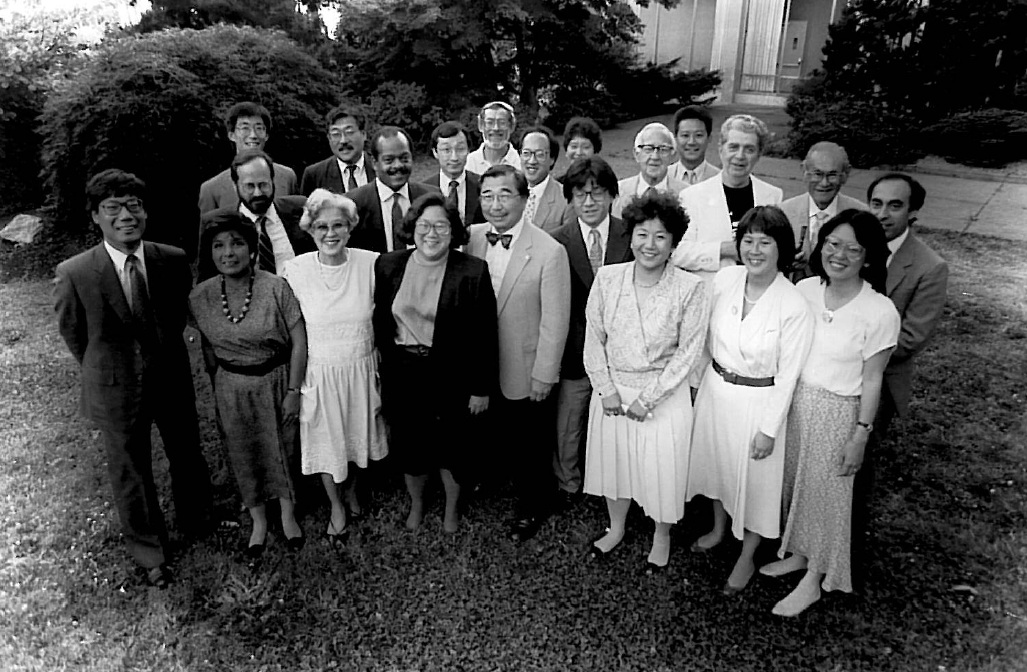
The Women Who Led the Fight to Overturn the WWII Supreme Court Japanese American Incarceration Cases
Lorraine Bannai was part of the legal team that in 1983 successfully overturned Fred Korematsu’s conviction for his wartime civil disobedience. Along with similar wins for fellow resisters Gordon Hirabayashi…
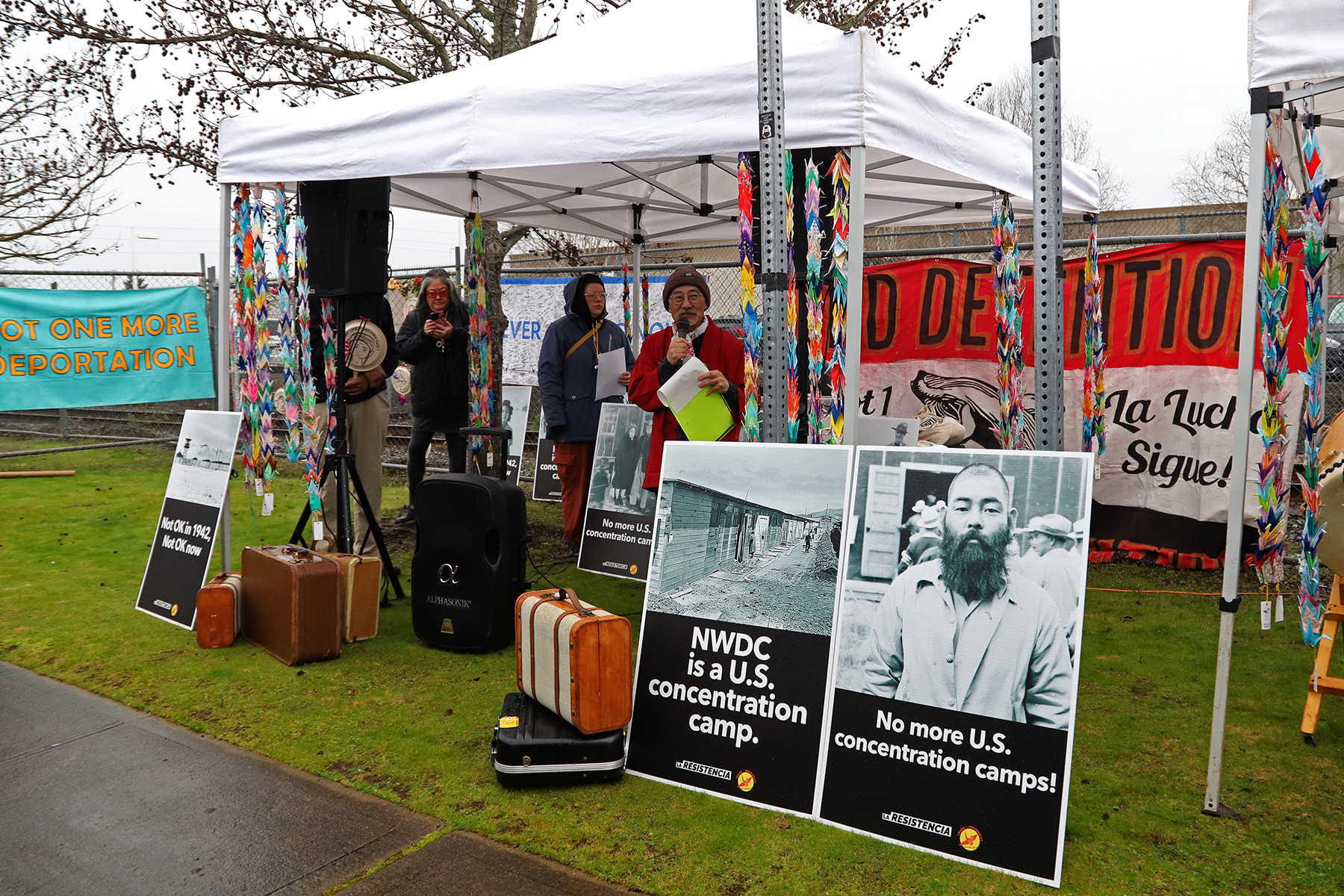
Photo Essay: A Day of Remembrance and Resistance
Last weekend marked the 82nd anniversary of the signing of Executive Order 9066, which authorized the forced removal and incarceration of more than 125,000 Japanese Americans during World War II….
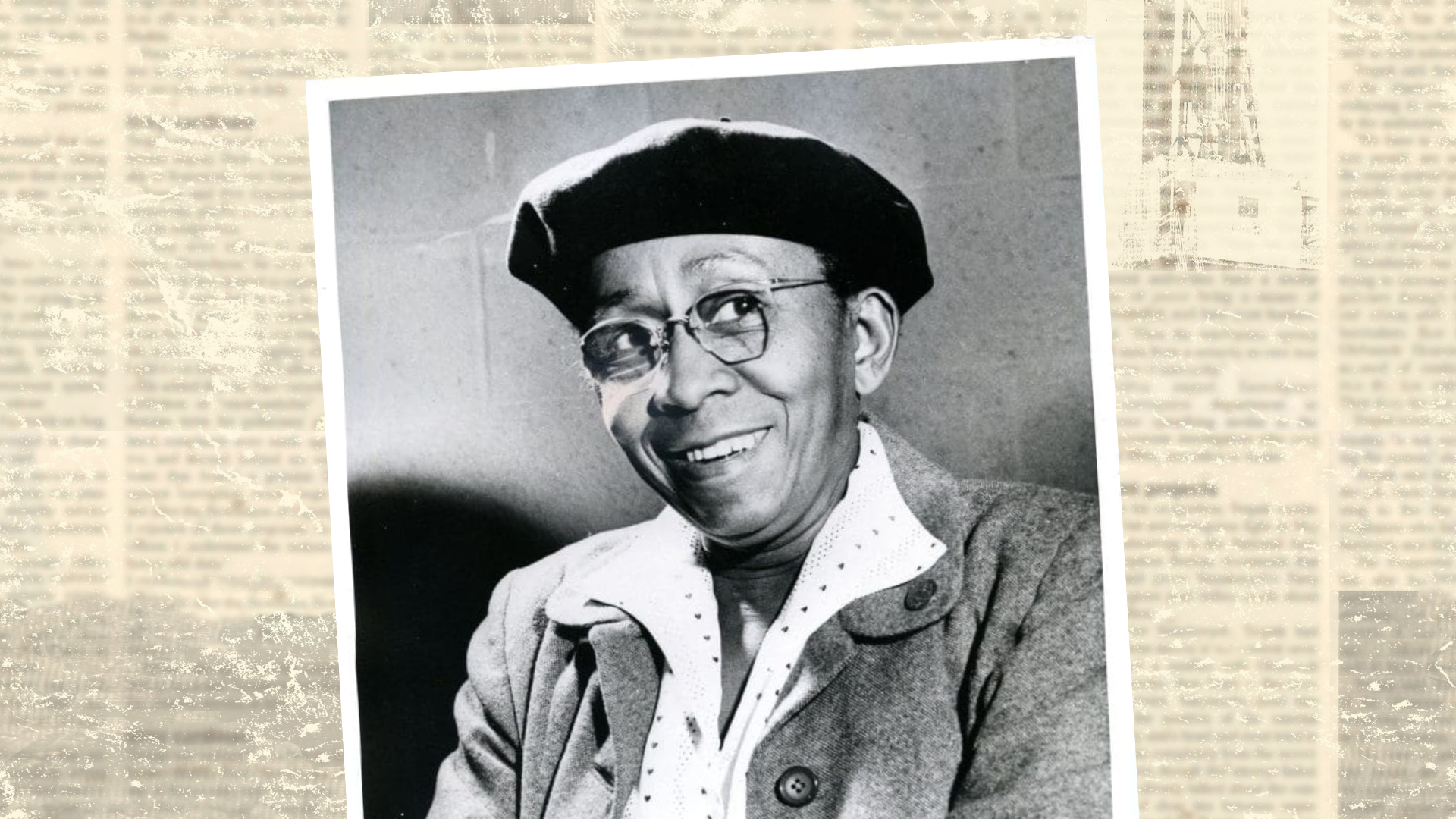
Meet Erna P. Harris: Writer, Dissident, and Ally
Through stories of remarkable people in Japanese American history, The Unknown Great illuminates the diversity of the Nikkei experience from the turn of the twentieth century to the present day….
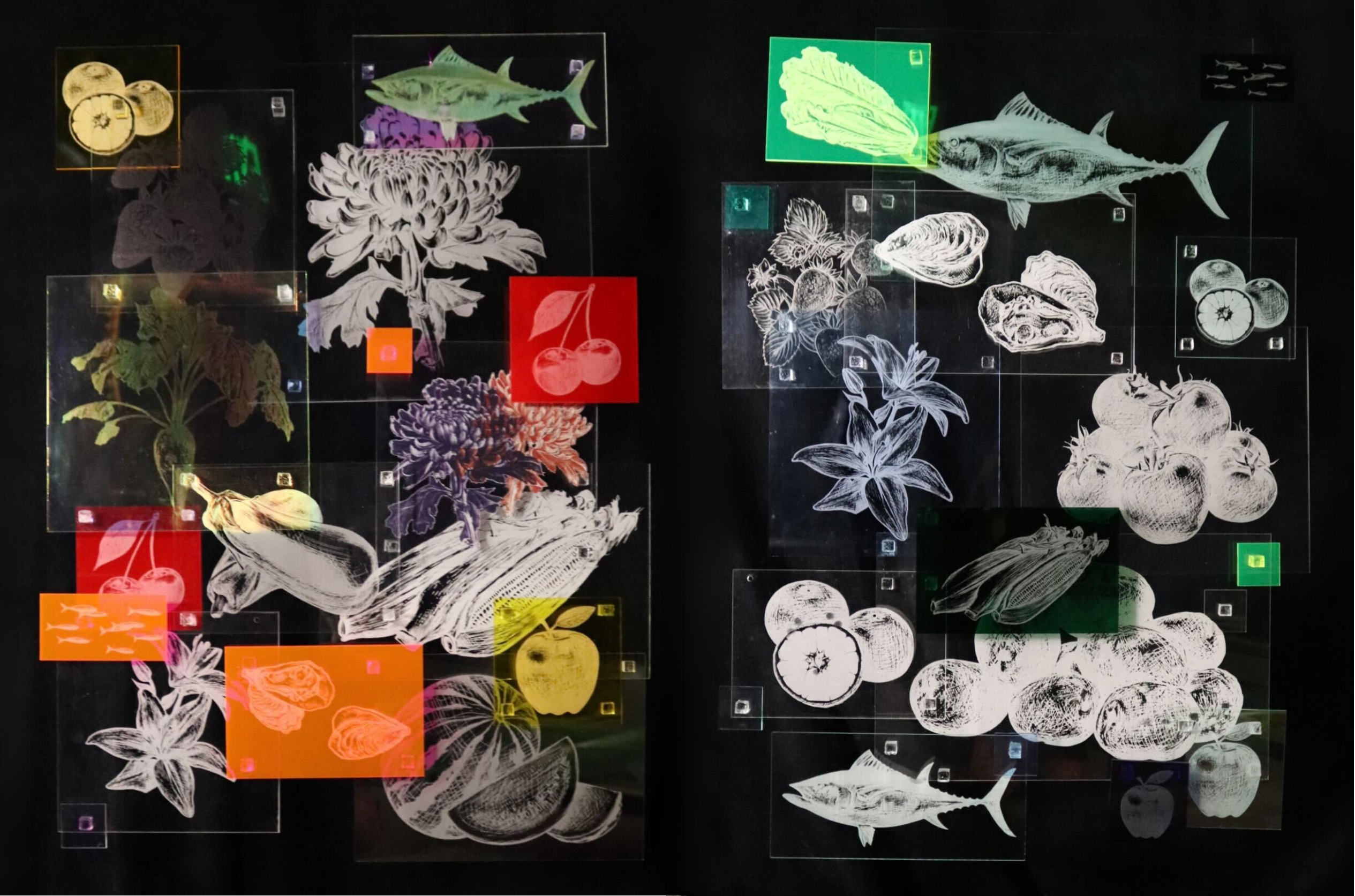
Kanon Shambora on the Making of Print Garden
Artist-in-residence Kanon Shambora used her time at Densho to explore the roots of Japanese American identity. Their culminating Print Garden pays homage to early Issei and Nisei, as well as…
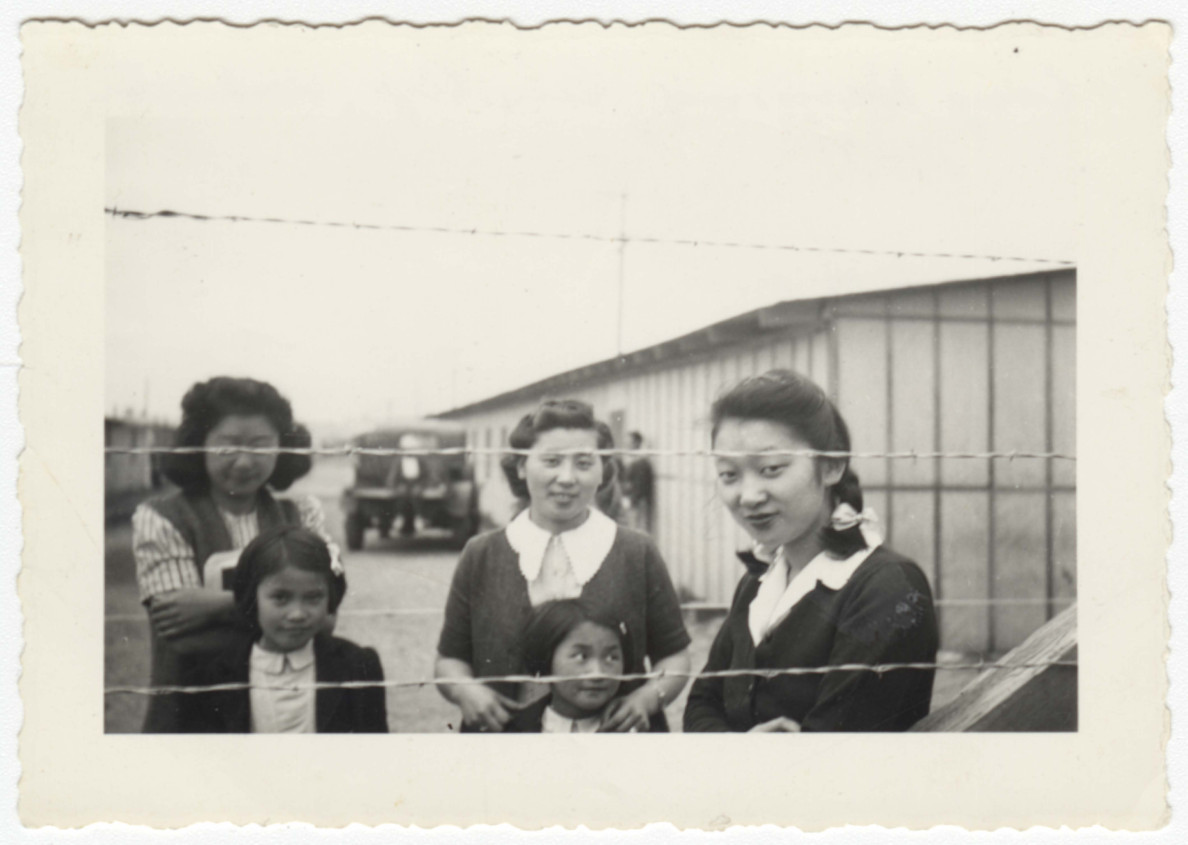
Justifying the Unjustifiable: Why Japanese Americans Must Stand with Palestine
Guest opinion essay by Maggie Tokuda-Hall. Densho publishes guest opinion essays that draw meaningful connections between the incarceration story and the present, and that promote equity and justice today. Learn…
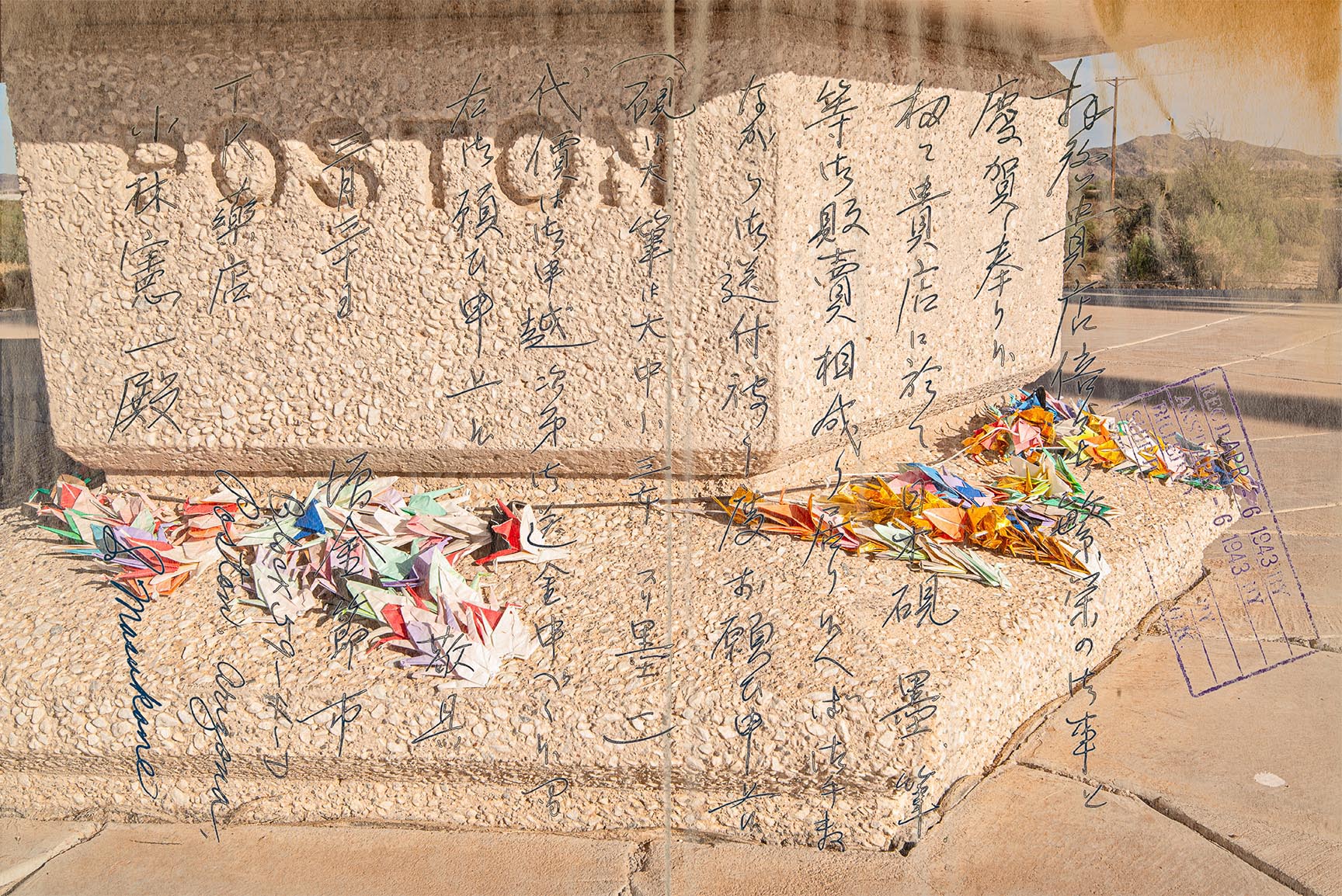
Community Curator Spotlight: Dean Terasaki on Memory and Mystery
Erin Shigaki, Seattle-based artist and Densho’s inaugural Community Curator, caught up with photographer Dean Terasaki to learn how he’s turned his lens toward an 80 year old family mystery.
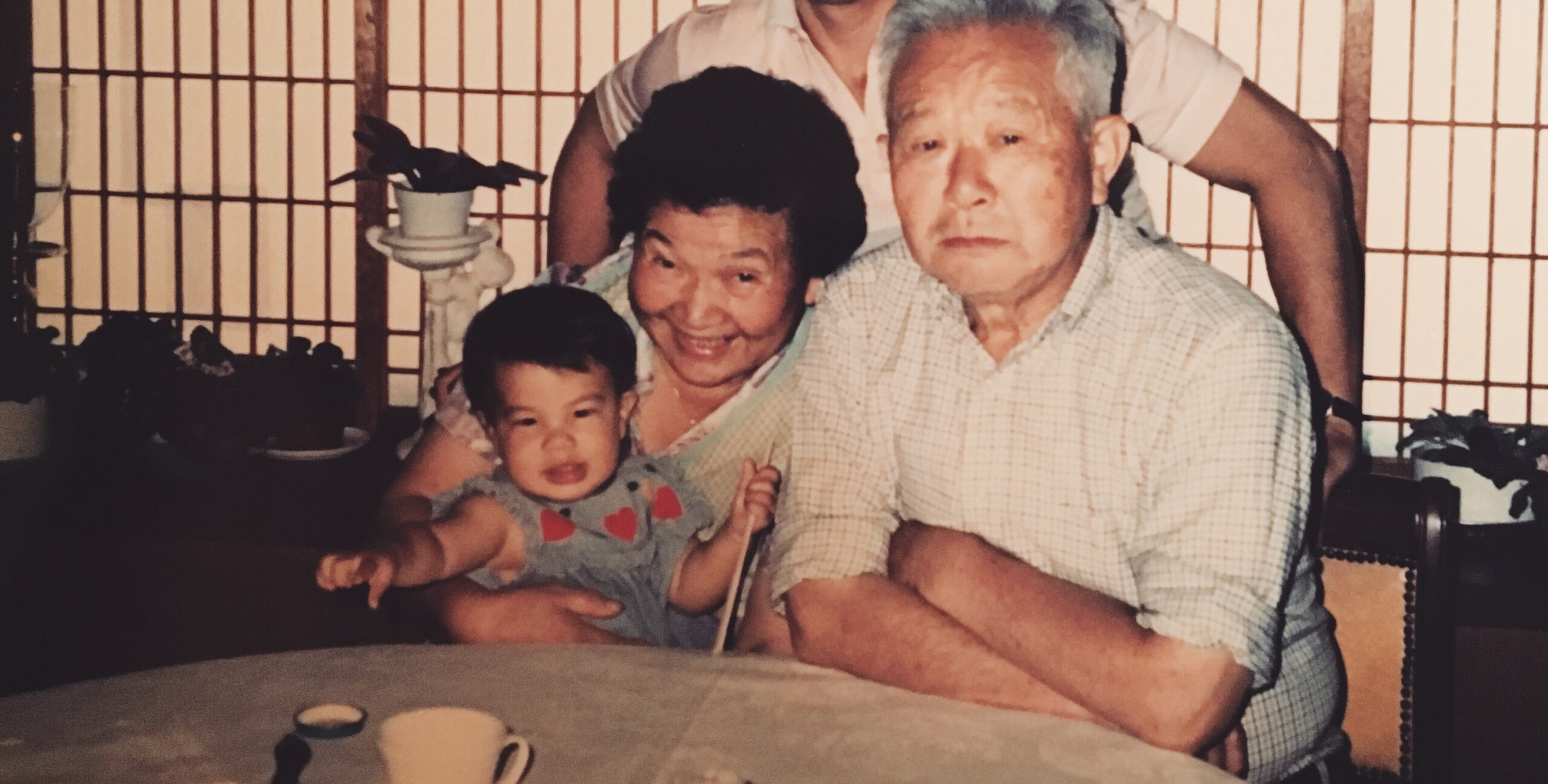
Diana Emiko Tsuchida On How Her Grandmother’s Story Helped Her Write Her Own
In this guest post for Women’s History Month, Diana Emiko Tsuchida, creator of the journal and oral history project Tessaku, writes about how her grandmother’s experiences during WWII have shaped…
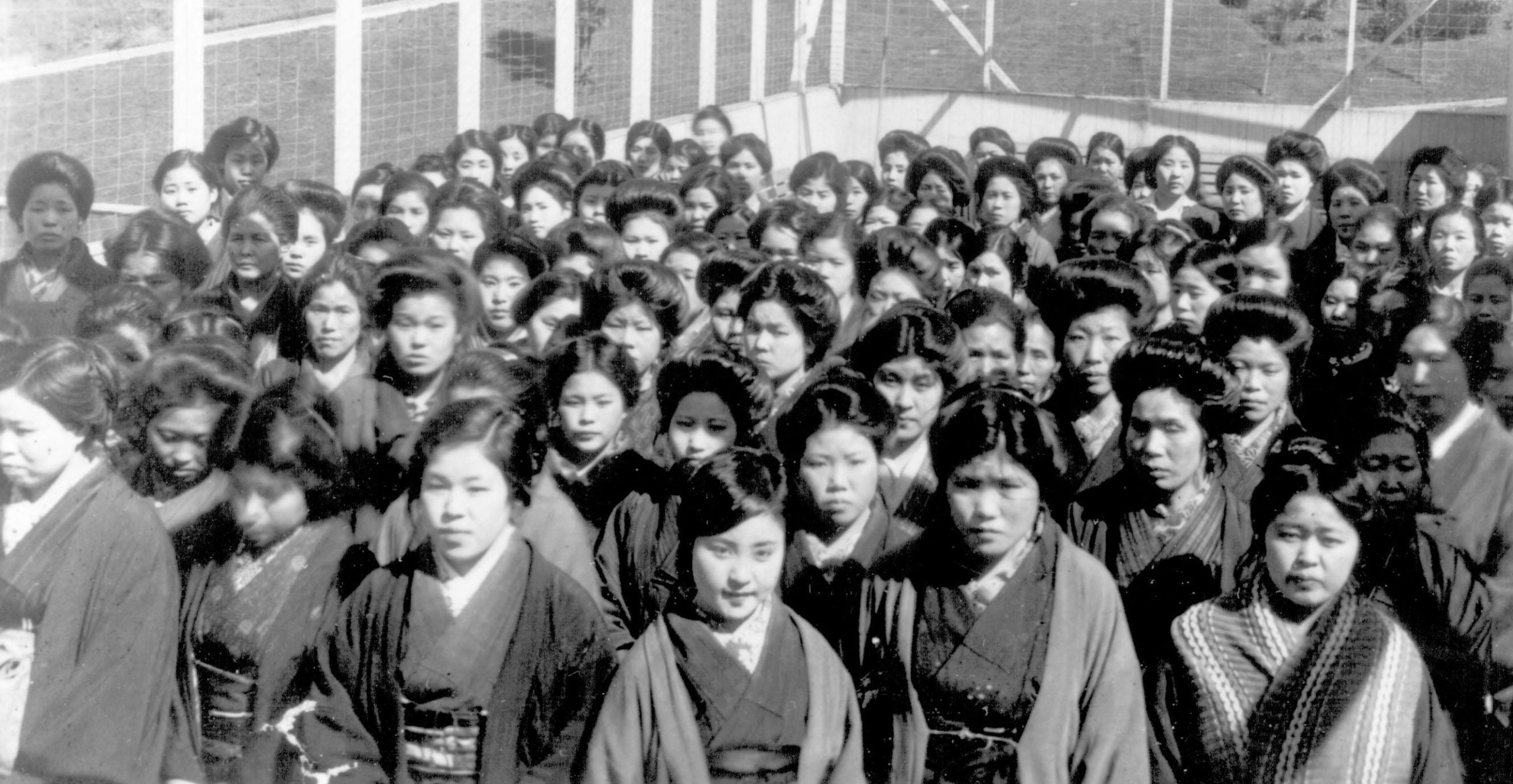
This Classic Novel by Yoshiko Uchida Chronicles the Dreams and Struggles of Japanese Picture Brides
In an excerpt from her foreword to a new re-release of Yoshiko Uchida’s Picture Bride, Elena Tajma Creef shines a light on the unsung history of the women who inspired…
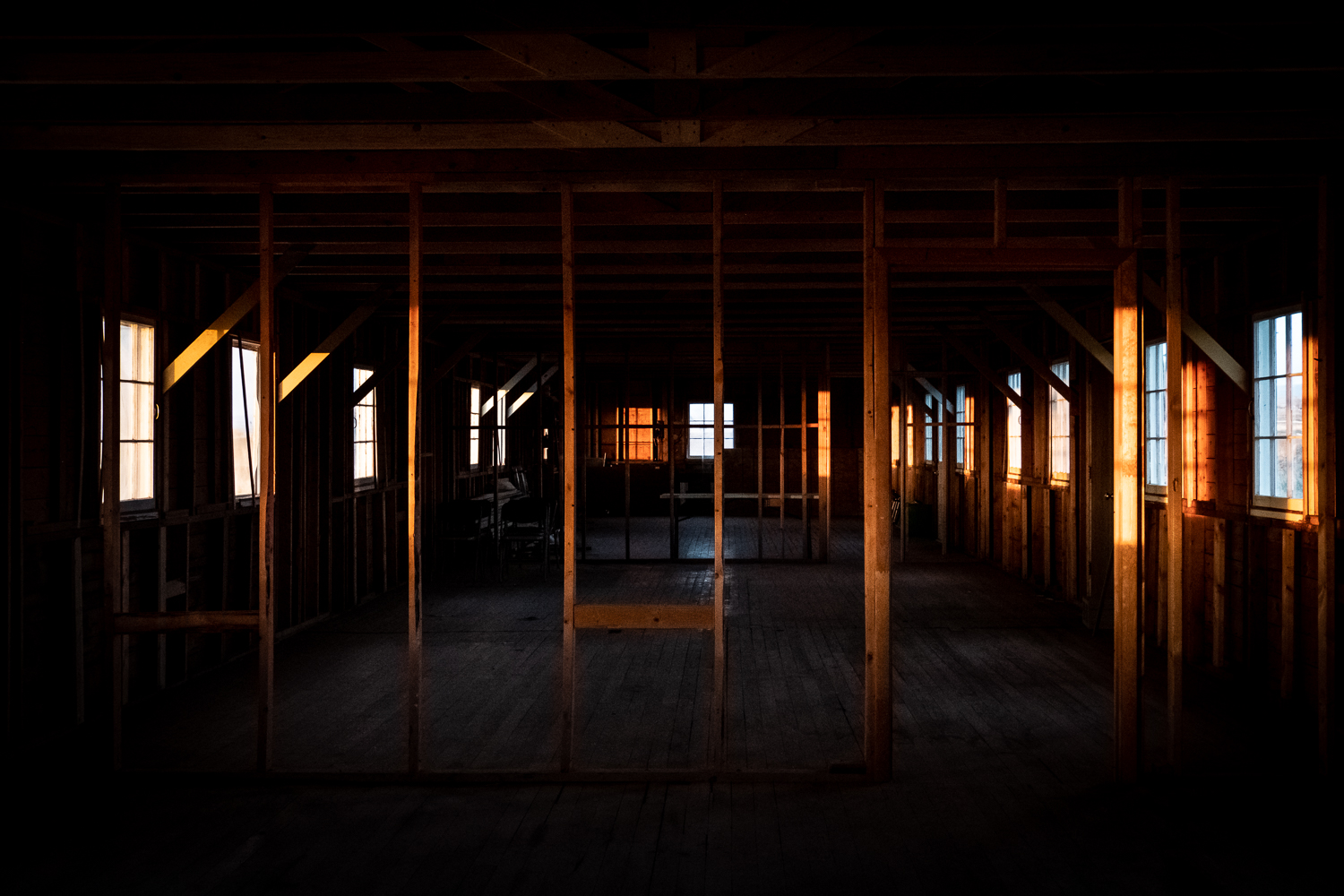
“Show Me The Way To Go to Home”: Photo Essay by Sandy Sugawara
Three years ago, Sansei journalist and photographer Sandy Sugawara set out to visit each of the War Relocation Authority camps where Japanese Americans, including her parents and grandparents, were incarcerated…
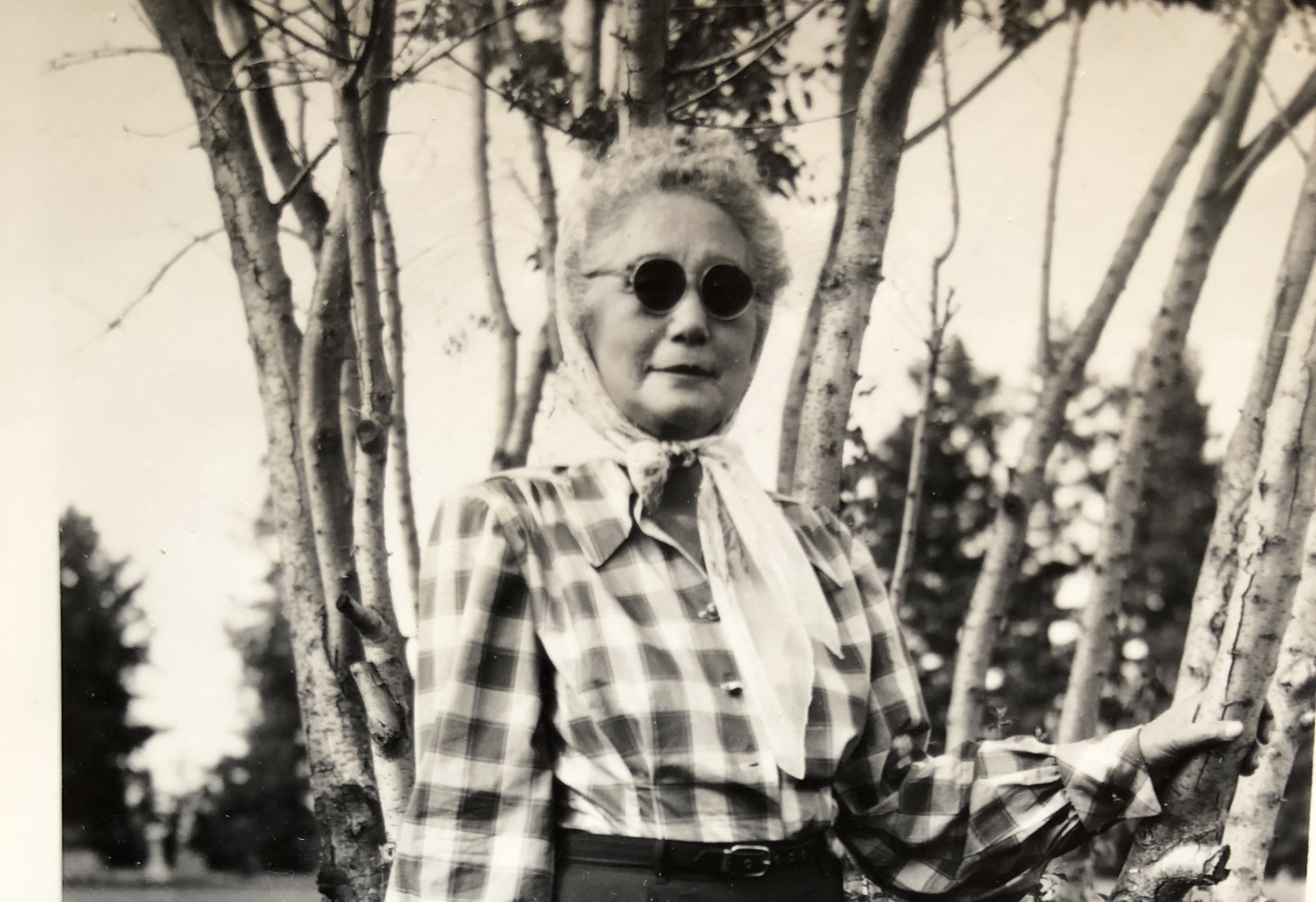
A Japanese Picture Bride in Montana: The Story of Aya Hori Masuoka
In this guest post, Kathryn Tolbert, creator of the oral history archive The War Bride Project, shines some light on the experiences of Japanese immigrant women in Montana through the…