May 1, 2026
Densho Public Engagement Intern Emma Lee reflects on how her time at Densho deepened her understanding of Asian American history, belonging, and the power of archival preservation to affirm that Asian American stories are essential to the American narrative.
If you ask people throughout the country what they think of when they hear the topic “American History,” you will probably receive many of the same answers. Some people will say the Constitution or the Bill of Rights. Others may think about George Washington or Abraham Lincoln.
Every day, classrooms throughout the country continue to push this narrative surrounding American history as a monolith of the past, a linear trajectory built by Boston Tea Party attendees and the Patriots of the 13 Colonies. And, very often, students in the US are encouraged to digest these facts and internalize them as part of our history.
I myself spent my childhood learning about our country from this perspective. Throughout my upbringing in Bergen County, New Jersey, I was taught a great deal about America’s Revolution, the 13 Colonies we belonged to, and most importantly, how these historic events had an impact on our history. But the longer I studied founding fathers and presidential legacies, the more I noticed that there was something missing: and it was me. Where did I, a young Asian girl, fit into our American history?
While understanding the broader context of America’s birth is important to understanding how we have developed over time, it is not the only important piece of the US’s narrative. The truth is, for many other Asian Americans like myself, there is more to the story than just this, even if it is not explicitly taught about.
Now making up about 7% of the country’s population, Asian Americans have contributed to landmark cases like US vs. Wong Kim Ark, which affirmed that all children born to foreign born parents are United States citizens under the 14th Amendment. Others like Yuri Kochiyama were allies to the Black American community and helped support the call for civil rights. Asian American work has undoubtedly been revolutionary. So, why has it never been a focal point in the American history we are taught?
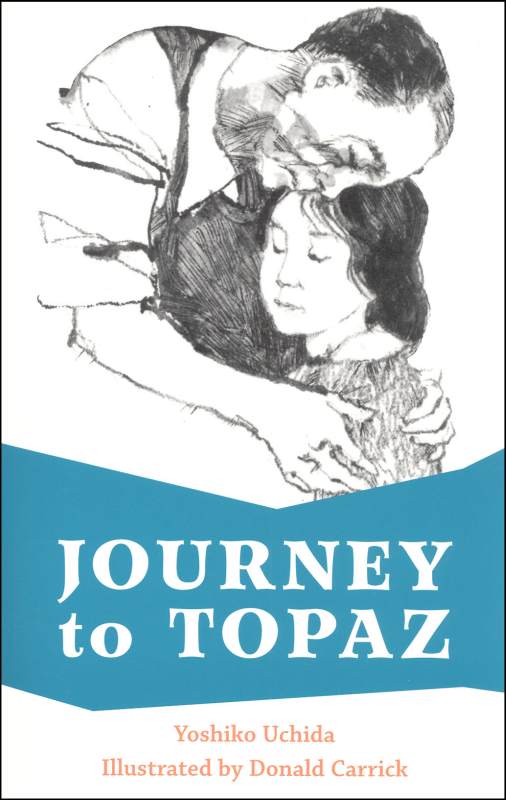
My early education offered me little interaction with Asian American history. Though there were asides about Japanese American incarceration, my only primary and direct exposure to it was through Yoshida Uchiko’s Journey to Topaz, a novel which follows the hardships and suffering that came with the experience of incarceration.
By my first semester at Smith College, I challenged myself to learn more about this history. I took a class called Race and the American Citizenship with my professor and now advisor Erin Pineda, which unveiled how the construction of race within America went hand in hand with the development of American citizenship and its restrictions. Through this class, I realized just how alienating immigration policy was created to be, intentionally. Other classes within the East Asian Language and Culture Department expanded on this as I saw how the “otherness” of Japanese Americans was similarly shaped through media and literature.
My coursework pushed me to truly consider what it means to be a part of our history in America. And in retrospect, looking back to my early education, part of me did not feel a part of it because I did not see myself reflected in it: How can we, Asian Americans, belong to this history that rarely reflects our existence? How can we celebrate our place here if we cannot see it? I realized then that in my efforts to understand more about my place in the United States, I shaped my understanding of our community around our nonexistence and strife.
There is truth to some of this. After all, our communities’ history and interaction with the US is, partly, steeped in sorrow. We have been made the face of exclusion. Forcibly incarcerated. We have been constructed as perpetual foreigners and aliens. But, for every boundary line and criteria that brings despair, there is equal hope in the plurality of shared experience and mutual understanding.
When I sent in my internship application to Densho, I took my first steps needed toward shaking off the pessimism I had in our historical representation. Despite the content of Densho’s archives being Japanese American incarceration, and the preservation of that period, it gave me the chance to truly see Asian Americans cemented in history. As I read through their encyclopedia and listened to oral histories, it became clear to me that there is so much more beneath the surface. Through the power of documentation, digitally preserved items include not just important paperwork, but Valentine’s day cards, pictures of baseball games, and close-knit New Year’s celebrations. The lives of individuals are remembered, recorded, and uplifted.
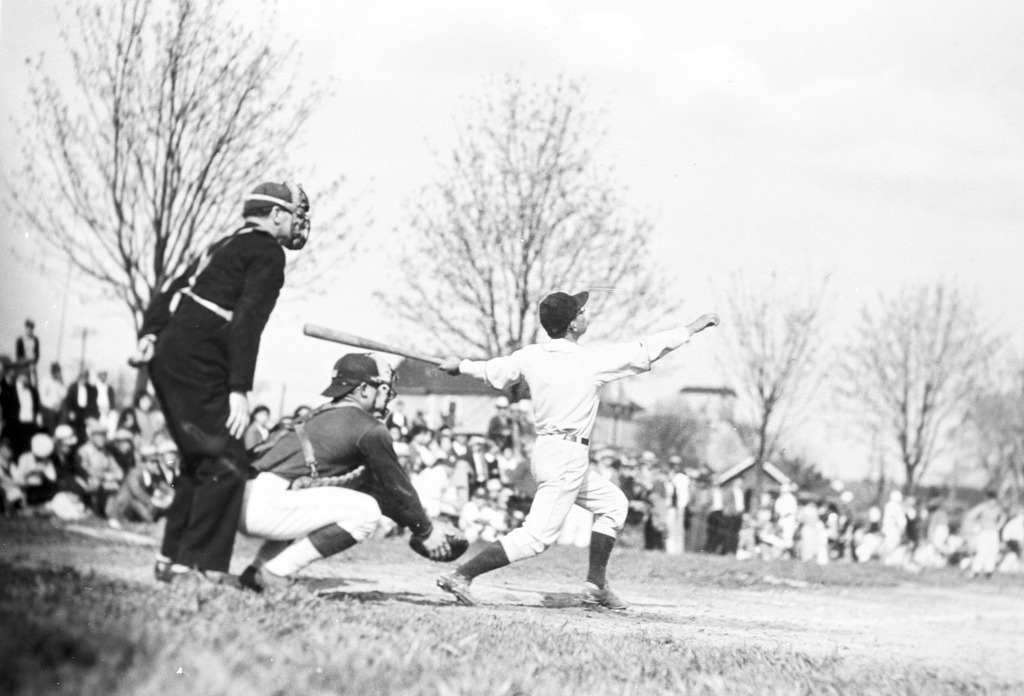
Though many of their stories do recall the horrors of life in the camps, they also tell tales of love and laughter. Of happiness amidst struggle. Being able to find community and understanding amongst each other – despite the country’s unwillingness to record it – is in itself a form of agency, as is remembering our histories, one person at a time.
Densho’s archives spotlight the Asian American experience as something not rare nor unusual, but rather the every-day. Through its focus on Japanese American incarceration, the organization proves that we are not a new anomaly. No, we are a part of this nation, and have been for quite some time.
Densho’s mission to preserve our place in history inspired my work as a Public Engagement Intern, where I assisted the Education and Communications teams on their journey to invite other partners to highlight our work. I researched potential higher-education and non-profit collaborators. I compiled social studies conferences across the country that could benefit from our educational materials. But best of all, I got to work alongside others who saw in Densho the same vision that I do. As I brainstormed outreach methods for educators across the US, suddenly, I wasn’t just working for myself, but instead for the many other young Asian Americans who similarly grew up questioning where they fit into America.
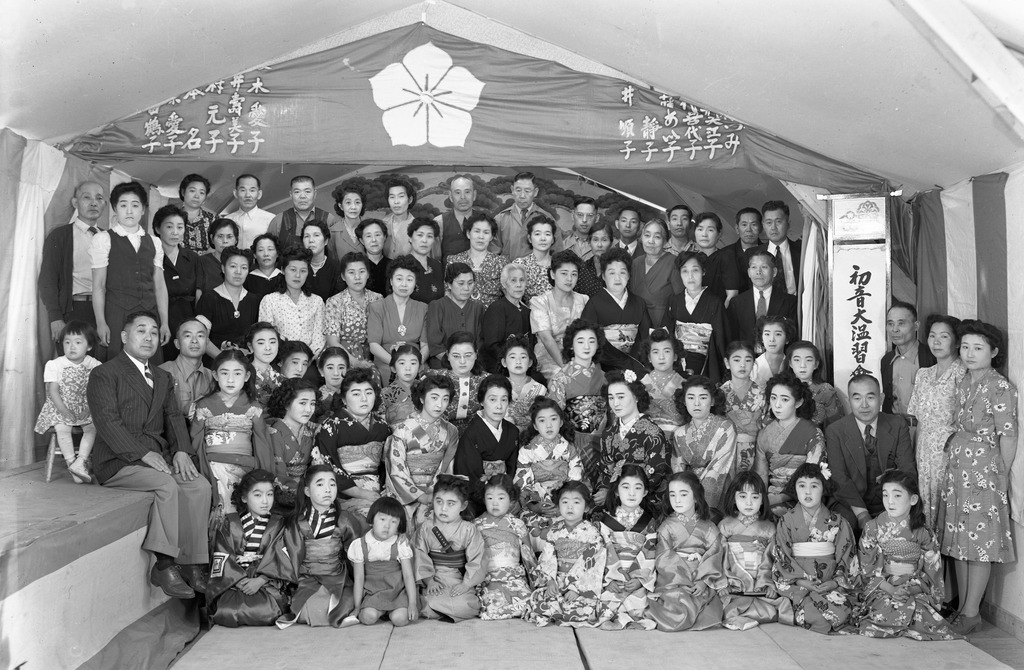
The Asian American legacy is not new. It lives in the centuries of Asian Americans before us. What was first rooted in the stories of migrant workers and laborers has been cultivated and tended to through the towns and ethnic enclaves who continue to host its spirit. But, most importantly, it lives on within people like you and me, whose families continue to weave the future of its legacy with every given day. Like anyone else, we have made our mark in American society through unique tradition, which is cultivated through circumstance and persistence.
I hope that through work, like that of Densho, more young students will learn to love their every day and appreciate these parts of history as something not distinct. The story of Japanese American incarceration is no different than that of the 13 Colonies and the signing of the Declaration of Independence. They are all stories that are essential to American history.
Our history.
—
Emma Lee is a Junior at Smith College pursuing a BA in Government and East Asian Studies. She has recently completed an internship with Densho’s Education and Public Programs Team thanks to Smith’s Praxis program, which provides support to students pursuing non-profit internships.
Acknowledgements
As I reflect on this internship, I would like to first thank the staff at Densho for creating such a welcoming and wonderful environment to learn and grow in. This blog spotlight and internship would not be possible without you all. In particular I would also like to thank my supervisor and Densho’s Education & Public Programs Manager Courtney Wai for the unwavering support throughout the duration of my internship. Every meeting and assignment helped me strengthen my communication and writing skills so much, and something I always looked forward to!
Lastly, I would like to thank my institution, Smith College for its Praxis program which is used to support unpaid internships, and my Professor Kimberly Kono for encouraging me to take the first steps towards reaching out to Densho. I am so grateful for this past month of work, and excited to continue watching the organization grow!
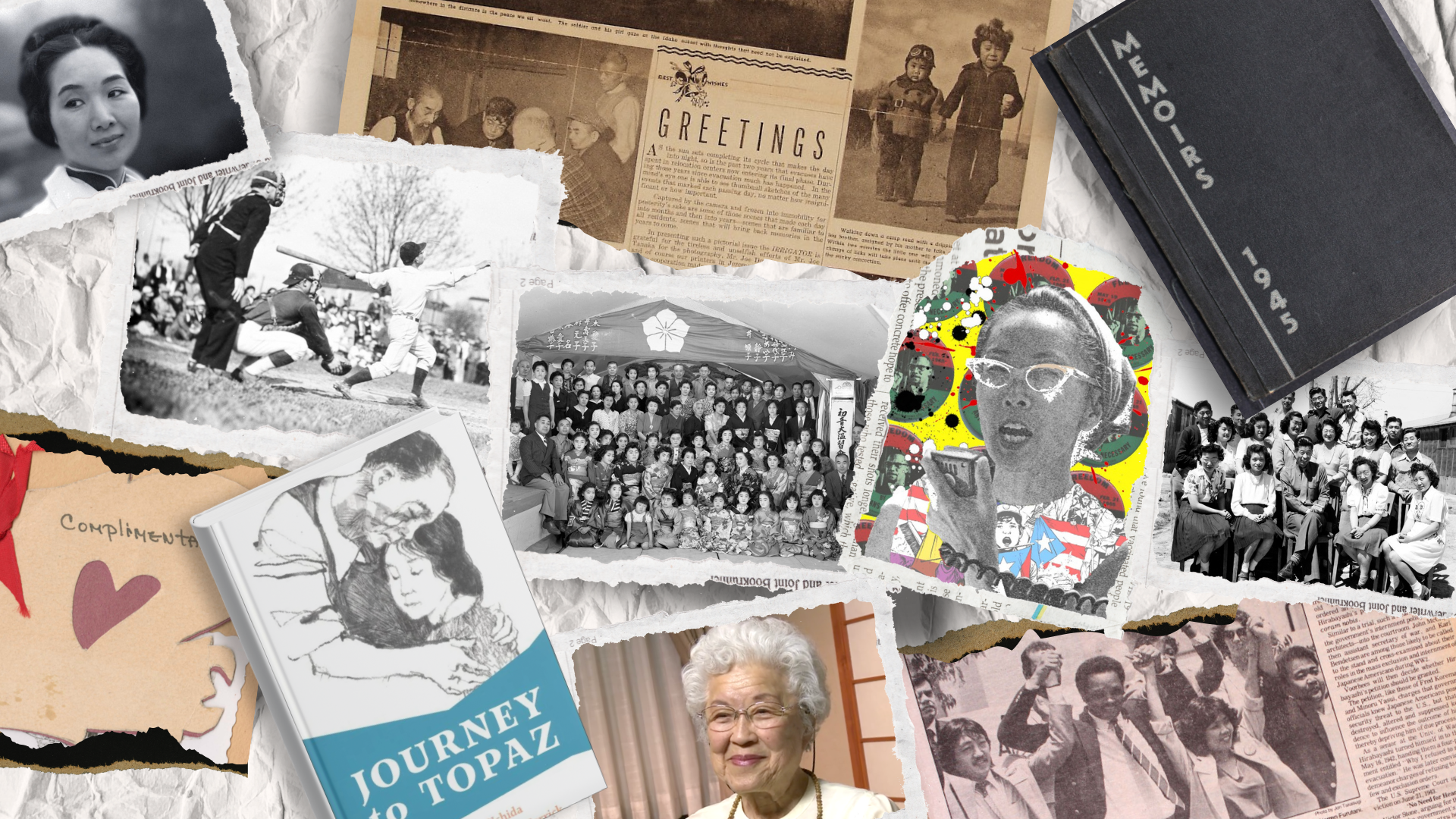
[Header Image: Collage of materials from the Densho Digital Repository (Group photograph of a New Year Grand Recital; Baseball game; Minidoka Irrigator newspaper; Aiko Herzig-Yoshinaga; Minidoka High School Yearbook; Valentine Dance Invitation; Journey To Topaz book cover; Pacific Citizen newspaper), and photos from “5 Bad Ass Japanese American Women Activists You Probably Didn’t Learn About in History Class”]