March 11, 2026
This piece concludes our two-part series on how educators can support immigrant students. In the first installment, Courtney Wai, Densho’s Education & Public Programs Manager, shares how her experience teaching and living on the U.S.-Mexico border, as well as teaching English as a Second Language in San Antonio, Texas, shaped her understanding of immigration enforcement and state power. She also explores how those experiences connect to the history of WWII Japanese American incarceration. Here, in Part II, Courtney offers ways for educators to turn reflection into action, sharing concrete steps educators can take to support immigrant students.
One enduring lesson of Japanese American incarceration is that harm is rarely sudden; it unfolds through a series of seemingly discrete moments—dehumanizing rhetoric in the media, the normalization of surveillance, the steady expansion of enforcement—until civil liberties are profoundly eroded for communities already marginalized and vulnerable.
For educators, this historical pattern is not abstract. We are witnessing similar warning signs affecting immigrant students today. Recognizing that progression leaves little room for complacency. If we understand how quickly rights can be narrowed and fear normalized, then waiting for a more visible crisis is not an option. We must respond while there is still time to interrupt the trajectory.
As educators, we have a moral obligation to protect our students. At the same time, we are working within a profession that increasingly feels unsustainable. Protection, then, cannot come at the cost of burnout. In moments like this, I find Deepa Iyer’s “Social Change Map” especially grounding because it offers a way to think about social action as a set of shared roles. Just as importantly, it reminds us that trying to take on every role at once is a fast path to exhaustion; when educators burn out, our ability to show up for students is ultimately diminished. I urge educators to choose the actions that are meaningful and sustainable within your role, your community, and your context.
Learn and teach immigration history
One place to begin is with learning—and teaching—the historical roots of our racialized immigration system. Providing students with this context helps disrupt dominant narratives that frame immigrants as “dangerous” or “criminal,” and instead offers counternarratives grounded in humanity, history, and lived experience.
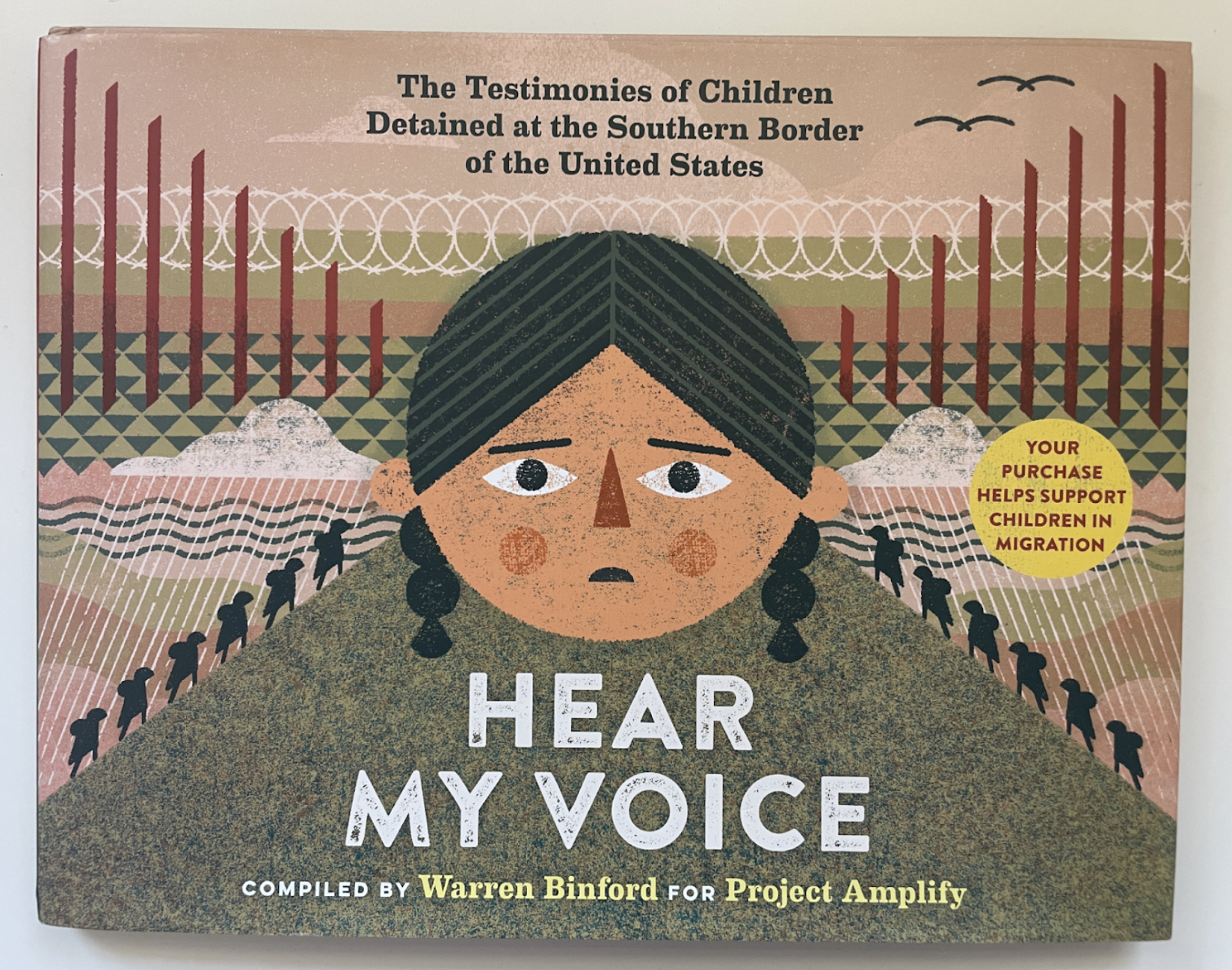
In my classroom, students connected with Dreamers by Yuyi Morales, which uses art and storytelling to affirm immigrant dignity and resilience. Social Justice Books also maintains an excellent “Teaching About Immigration” booklist, including a list for educators who want to teach about immigration. For secondary students, Mapping Deportations can provide critical historical context about the scale and history of enforcement. And for elementary students and older, I have taught Hear My Voice / Escucha mi voz, a difficult but necessary text that centers the words of children in detention and helps students grapple with the real human impact of these policies.
Building affirming school and classroom spaces
Teachers can also lead by intentionally building trusting, affirming spaces where all students feel seen and protected. One entry point is helping students recognize—and interrupt—dehumanizing rhetoric in age-appropriate ways. In my classroom, I invited students to closely read the language used to talk about immigration, examining how word choice shapes perception and power, and we incorporated the “Drop the I-Word” campaign as a way to name why certain terms cause harm. Finally, it is essential to create spaces where students can simply be in community with one another: spaces that affirm connection, care, and belonging, especially for students who may experience isolation or fear beyond school.
Support student action
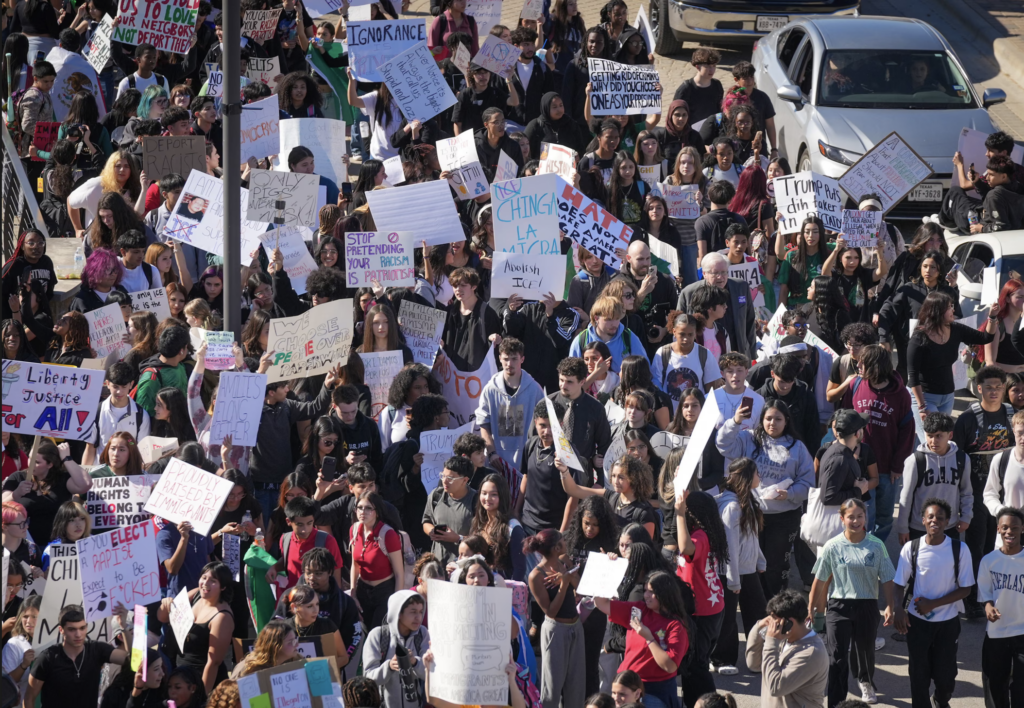
Educators’ responsibility to care for students does not stop at the classroom door. It also includes helping young people make sense of complex issues that affect their lives and communities. Sonia Nieto reminds us that care can involve creating space for students to explore these realities with thoughtfulness and depth. Students may choose to express their perspectives in a range of ways, including outside the classroom. Across the country, students have organized walkouts and protests against ICE in response to immigration-related policies.
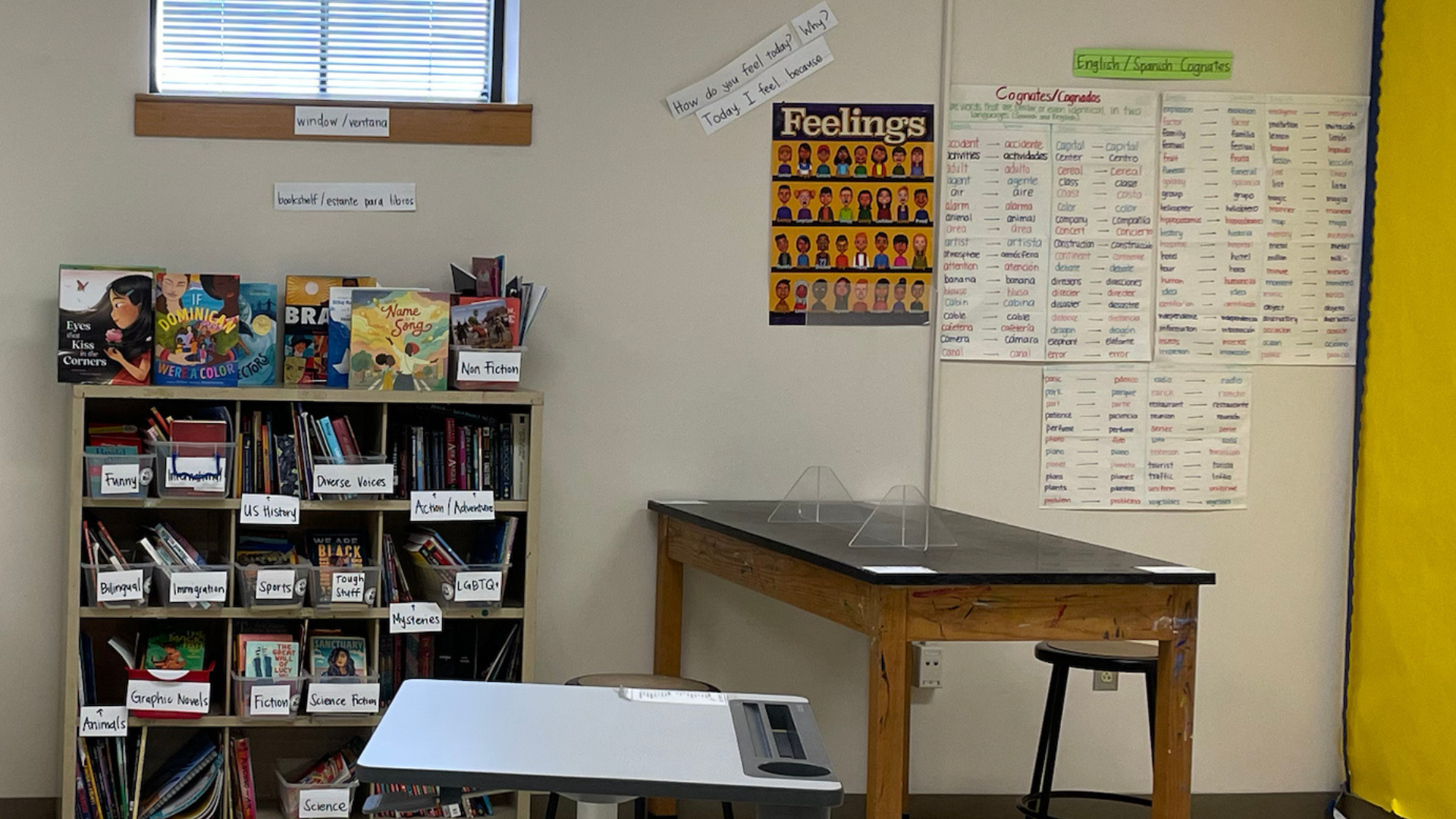
In my own classroom, I ended the school year with a social action project in which students chose an issue affecting their lives and communities and worked toward change. When I taught English as a Second Language, my students elected to focus on immigration. After conducting research and speaking with local immigration lawyers and activists, they wrote letters to federal leaders advocating for immigration reform and created videos sharing their findings and recommendations with the district. For students whose lives are shaped by these policies, action can be a powerful way to assert their agency.
Know your legal obligations
Educators must also understand the policies that shape what happens in moments of crisis. This includes educating ourselves about our school and district’s immigration-related policies and our legal obligations to students. Educators should know our responsibilities to protect student rights, including those grounded in Plyler v. Doe and Family Educational Rights and Privacy Act (FERPA). In my experience, having clear, well-communicated policies around ICE and law enforcement is critical. The absence of policy or lack of staff knowledge can have devastating consequences for immigrant students and their families.
Create Safe and Supportive School Environments for immigrant students
Educators should also ask key questions within their schools and districts: What are the procedures if ICE appears on campus? Does the district have a resolution affirming students’ rights and safety? Are front office staff, bus drivers, crossing guards, and teachers on arrival or dismissal duty trained to respond in ways that align with both the law and district protections? Establishing clear protocols, staff-wide training, and written guidance can help ensure both consistency and care.
There are also powerful examples of educators organizing collectively to challenge harmful practices and create safer schools. Rethinking Schools’ latest issue documents how educators across the country are resisting ICE in solidarity with immigrant communities. Educators can also connect with community-based organizations like Tsuru for Solidarity, which brings a Japanese American historical lens to contemporary immigration advocacy and reminds us that solidarity across communities is both possible and necessary.
Our Responsibilities as Educators
So what does history ask of us at this moment? It asks us to pay attention: to recognize the warning signs when fear is normalized, when legal language is used to justify harm, and when entire communities are treated as threats rather than as neighbors, classmates, and families. It asks us to remember that schools are never neutral spaces. They can become sites of surveillance and silence, or they can be places of refuge, care, and protection.
Affirming immigrant students today is not a new or separate obligation; it is a continuation of the lessons we have learned from Japanese American incarceration. That history shows us what happens when fear overrides civil liberties, when institutions fail to intervene, and when children are forced to carry the consequences of state violence. It also shows us the power of resistance, solidarity, and collective care, as well as the responsibility we inherit when survivors urge us to do better.
Educators are not responsible for fixing immigration policy, but we are responsible for how it is understood, enforced, and challenged within our schools. We are responsible for telling the truth about the past, for reducing harm in the present, and for choosing protection over neutrality. In moments like this, remembrance is not passive. It is a call to action.
As Poston survivor Joe Okimoto reminds us, “We cannot allow history to be repeated! Power to the people!”
—

By Courtney Wai, Densho’s Education and Public Programs Manager.
This post is the second in a two-part series on how Japanese American wartime incarceration history offers important lessons on protecting immigrant students. Read Part 1 now, in which Courtney shares personal experiences and reflections as a classroom teacher.
[Header Image: Photo of Courtney’s classroom. By Courtney Wai.]