February 27, 2026
In this collaborative post, Japanese American community members and organizers reflect on the impact, value, and effects of the MS NOW podcast Rachel Maddow Presents: Burn Order. The podcast, released in December 2025, hit top charts at the beginning of this year, bringing the Japanese American WWII incarceration story to a larger popular audience. Sharing a range of perspectives and opinions, the featured contributors highlight the podcast’s importance for illuminating past and present injustices, evoking memories of their own family’s past, and for raising critical awareness about constitutional violations and governmental abuses of power.
This article is part of a short series of Densho Catalyst posts reflecting on Burn Order. Read Brian Niiya’s article and Eric Muller’s contribution for more historical context and additional perspectives. Learn more historical information and insights for each episode in our Listening Guide.
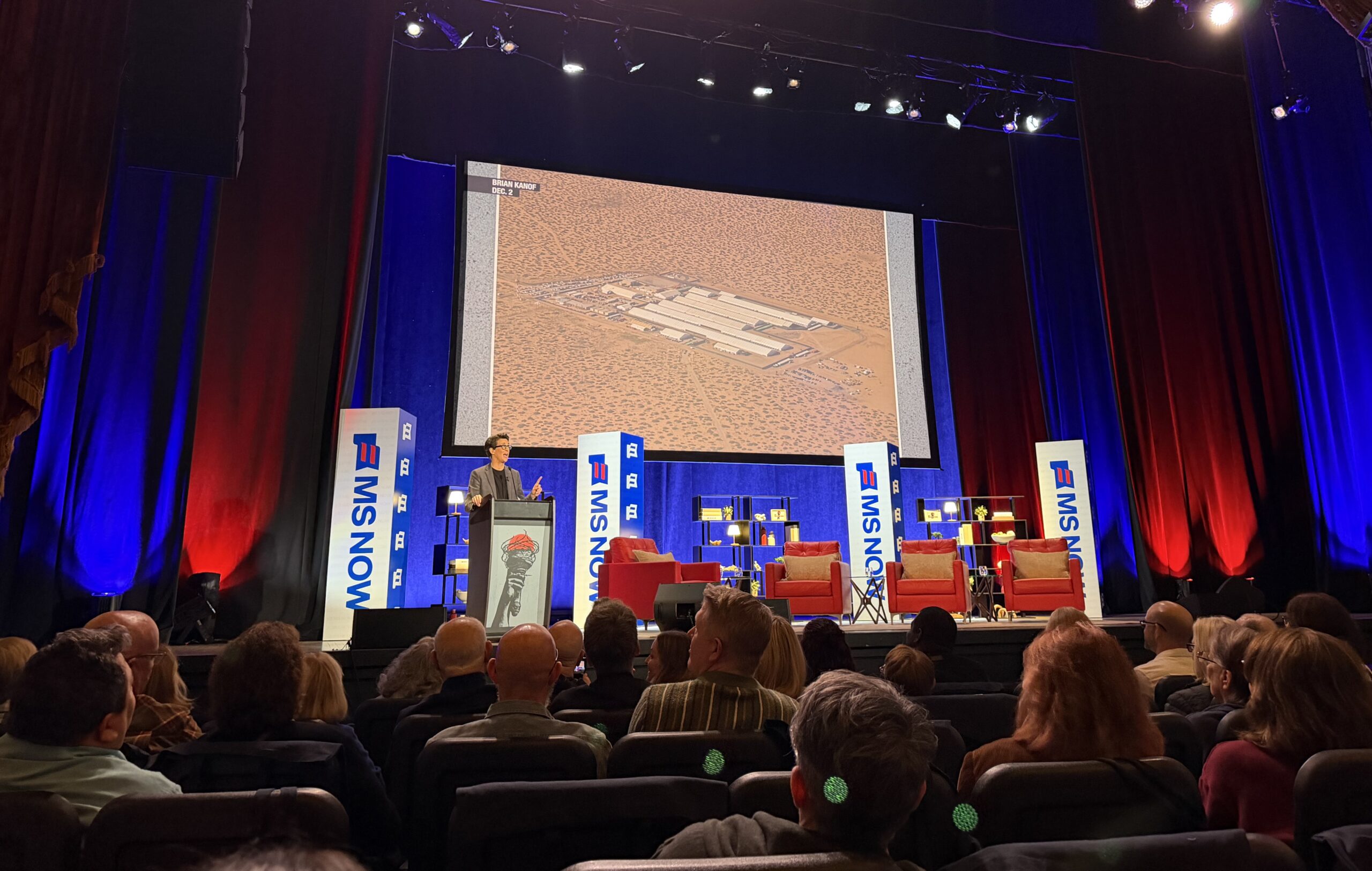
MS NOW’s new podcast Rachel Maddow Presents: Burn Order released last December 2025 and quickly received public attention, interest, and praise. The podcast, ranking in top charts at the start of 2026, explores several key legal issues and political scandals surrounding the Japanese American WWII incarceration story—most pertinently, the government’s order to “burn” a report that would have challenged the legality and necessity of wartime incarceration.
Many listeners praise the podcast for bringing new and widespread critical attention to the US government’s violations of civil liberties. On the one hand, they applaud the production for raising public awareness about the WWII incarceration, especially the government’s role in orchestrating and justifying the mass removal and imprisonment of Japanese Americans, despite having no concrete evidence to prove the populations’ wrongdoing or threat to national security. On the other hand, listeners also praise the podcast for shedding critical light on contemporary injustices. Through an exploration of the past, the podcast simultaneously illuminates the present, particularly the growing persecution and surveillance of immigrants, as well as their arrest and indefinite detention without due process.
Among those praising the podcast are Japanese Americans, including former WWII incarcerees and their descendants. This Catalyst article shares some of their opinions, uplifting the voices and perspectives of prominent community members, organizational leaders, and organizers in the Japanese American community.
Gil Asakawa — Journalist, author and founder of the NikkeiView.com blog
“Rachel Maddow’s Burn Order podcast is an historical narrative produced at a critical time in American history, about a previous critical time in American history. The six-episode series doesn’t just tread familiar ground for Japanese Americans who’ve lived in the shadow of wartime incarceration for decades with stories of the concentration camp ordeal.
Instead, Maddow and her furiously fastidious research team have dug deep into the paranoid racist history leading up to Executive Order 9066 and the coverup of the documents that could have averted the incarceration by showing that Americans of Japanese descent didn’t pose a threat to U.S. national security. And, they documented the discovery of the Coram Nobis case led by Peter Irons, a Vietnam war draft resister who used the same legal rule to overturn the WWII cases against Fred Korematsu, Gordon Hirabayashi, and Min Yasui. The final episode also features the powerful legacy of Norm Mineta, who was imprisoned as a Boy Scout and became mayor of San Jose and a congressman, until he led the effort to pass the Civil Liberties Act of 1988, and the formal apology and reparation to Japanese Americans.
The podcast goes full circle from Executive Order 9066 to the Civil Liberties Act of 1988. Using historical recordings and current interviews with Japanese American community leaders and others involved with the cases, the audio episodes are gripping… and important to raise red flags against the way the government is acting today, ending with a chilling quote from President Trump. This podcast is a lesson we all need to pay attention to, and heed for all our sakes.”
Bruce Embrey— Chair of the Manzanar Committee
“First, I think it’s important to acknowledge that having someone of Rachel Maddow’s stature produce a comprehensive and thorough podcast is worthy of praise. Burn Order wasn’t a quick, superficial podcast. It was months in the making. Michael Yarvitz, one of the producers/writers, attended the 2025 Manzanar Pilgrimage in April, where Satsuki Ina was our keynote speaker.
Furthermore, Rachel and her team did an excellent job of showing how powerful interests set out to disrupt or destroy the economic lifeblood of the Nikkei community, using the federal government to achieve their objectives. The podcast lays bare how white nationalist groups, like the Native Sons of the American West, and others, played a key role in the WWII forced removal. She shows how powerful corporate interests, like the Western Growers Protective association and others, were able to profit from state violence and the “racial cleansing” advocated by white nationalists. Just like today with Corecivic, Palantir, and other major corporations profiting from the Trump administration’s war on democracy.
My mother and the Manzanar Committee argued that economics was a key factor during WWII. And when crafting the language for the Manzanar State Historic Landmark in 1972, we included the term ‘economic exploitation.’ That wording received as much push back as ‘concentration camp.’
But, I think the real value of Burn Order is that it does a magnificent job drawing parallels between the current moment in our country and our community’s WWII story, especially the role of the state in oppressing immigrant and communities of color, as well as the fragility of our democratic rights. I think it’s important to congratulate Rachel and her team on how Burn Order explains these parallels. As she says, ‘History is here to help us in times of crisis.’ Our community’s story of the forced removal through the Redress Movement offers evidence that movements can win, and that, despite the fragility of our democracy, we can defend our basic rights.
As the assault on our democracy, the militarization of our cities, and the building of massive concentration camps unfolds, we need to come together, like we did during the Redress Movement and fight like hell for our democracy. That’s why I believe Rachel Maddow’s Burn Order is a serious and valuable contribution to our efforts to save our democracy.”
Ellen Endo — Interim Executive Director, Little Tokyo Business Improvement District; and Former Managing Editor, Los Angeles Japanese Daily News (Rafu Shimpo)
“Rachel Maddow’s Burn Order explores a past fraught with cruelty and mistrust but also reveals the resilience of the human spirit. Memories of what happened to my immigrant grandfather and American-born father 84 years ago come flooding back with each news report of violence and injustice ostensibly aimed at immigrants today.
On Dec. 7, 1941, my father Masami and his friend Tom had carpooled to Paramount Studios where they worked the graveyard shift as janitors. On that night, however, the shift supervisor notified them they were fired. Bewildered, they drove to Little Tokyo, but as they arrived, a car with two men in overcoats blocked their car. Tom swerved and headed toward the Hill Street police station. As he pulled up, he and Masami were relieved to see a police officer standing outside. Suddenly, the two men pulled up and dragged my dad and Tom out of the car and began to beat them. My dad frantically tried to show them his draft card to prove he was a citizen, but the beating continued until my dad and Tom were both unconscious. Meanwhile, the police officer stood by and did nothing to stop the violence. When they came to, Tom and my dad were in a jail cell. They were held in custody without charges for three weeks. They learned that the two men in overcoats were FBI agents.”
Renee Tajima-Peña — Filmmaker, writer, and Professor of Asian American Studies, UCLA
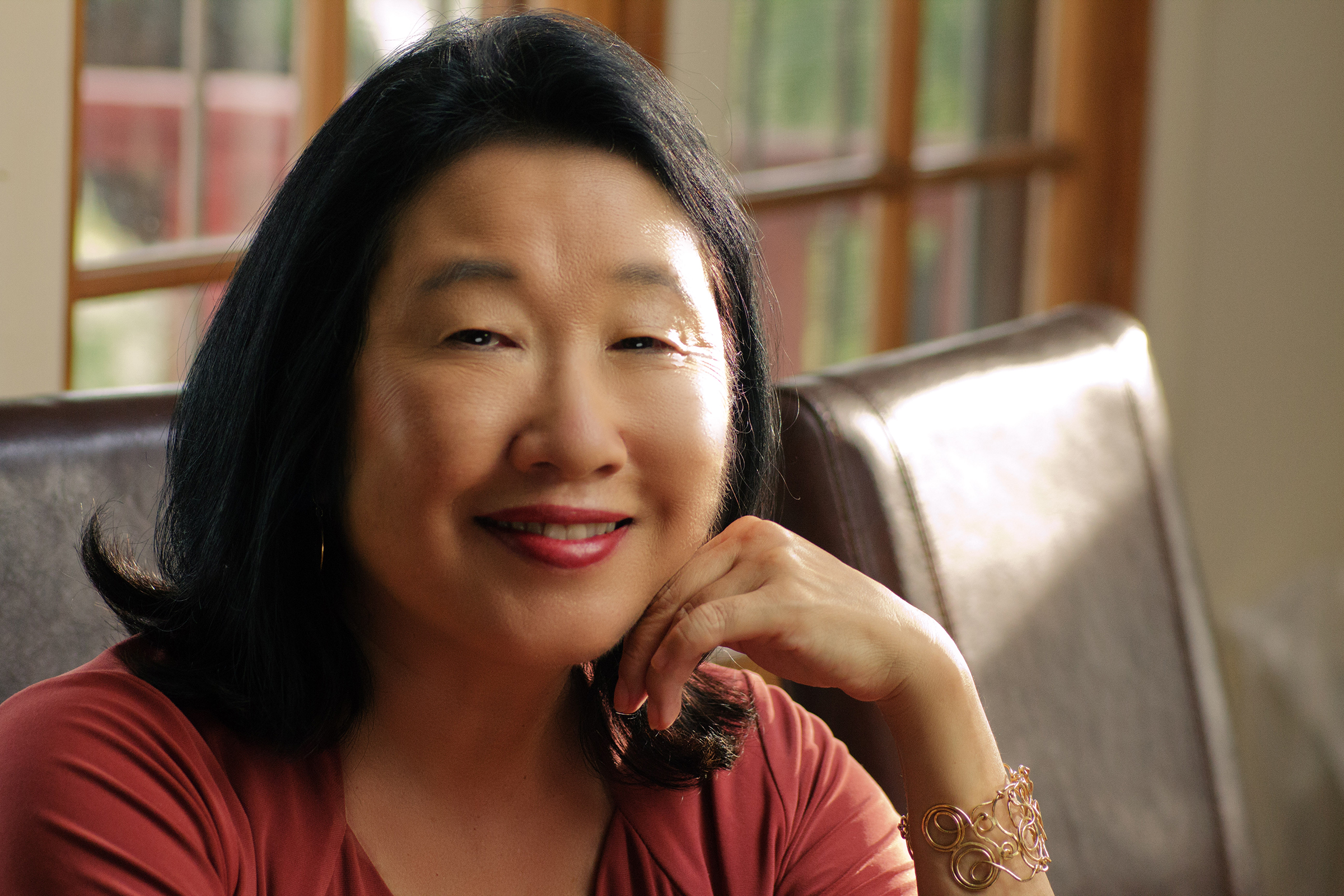
“I used to tell people that being Asian in the American media universe is like looking into a mirror and seeing nothing but a blank screen. Now I turn on the Super Bowl and the first shot of the half-time show is Bad Bunny drifting through workers in a sugar cane field. It took my breath away. Yes I’m not Puerto Rican, but my family’s story started in a cane field in 1902 when my grandfather, all of 17-years-old, arrived in one of the U.S.’s other colonies, Hawai’i. Our collective and invisible stories are finally seen.
And so Burn Order’s laser focus on the urgent meaning of Japanese American history is almost unimaginable to me. I remember back in 1981, dragging one of those bulky old VCR’s and a television set to the basement of the Japanese American church in Manhattan. We showed Issei and Nisei the testimonies of camp survivors that Visual Communications had filmed in Los Angeles. Many of the New York survivors had never spoken of the camps, even to their children. Watching others testify before the CWRIC was cathartic. Bravery and truth on screen, shipped by mail from one city to another.
At the time I thought back to my rage growing up in Altadena, California. Even with its large legacy Nikkei community, my 6th grade teacher felt emboldened to tell the class that my mother and grandmother had lied about the WWII concentration camps. That nothing like that could every happen in America. Not only did Burn Order amplify our truth during a time when the whole nation needs to be reminded that we forget this history at our peril. But it was spoken by truth tellers who have been shouting to the rafters for years, in books, in the courts, in Congress, on the streets. Hats off to Rachel Maddow for passing the mic back to the community, and populating the screen with our truth tellers.”
Hanako Wakatsuki-Chong — Executive Director, Japanese American Museum of Oregon
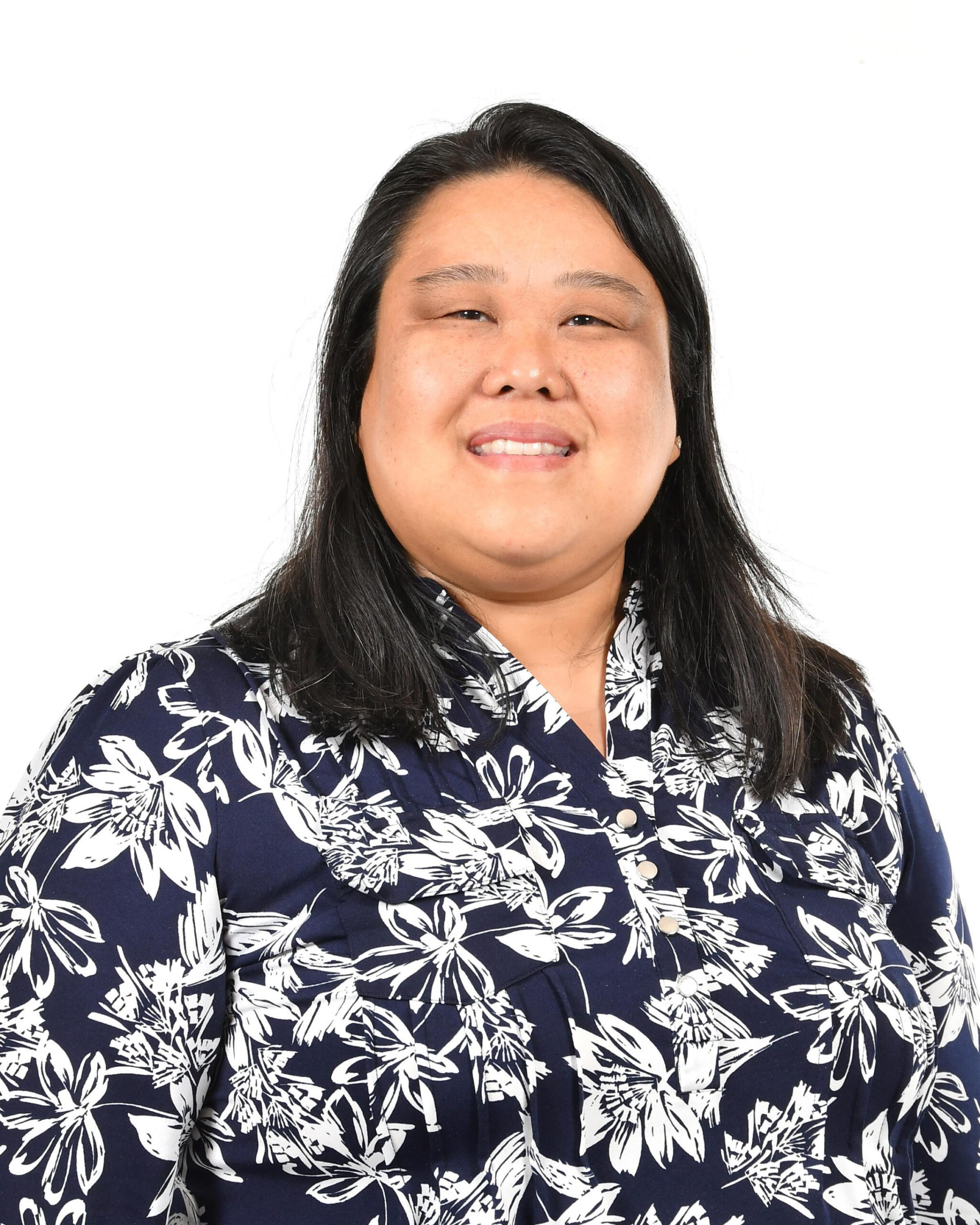
“Maddow’s podcast brings crucial Japanese American WWII incarceration history to a wider audience at a moment when it feels urgently relevant. The analysis is solid and the storytelling compelling, featuring voices of those who lived through this dark chapter. While our community has been sounding these alarms, we lack Maddow’s platform—making her work an important bridge to reach people who need to hear this story now.”
Dale Minami — Lead Counsel for Fred Korematsu’s Legal Team
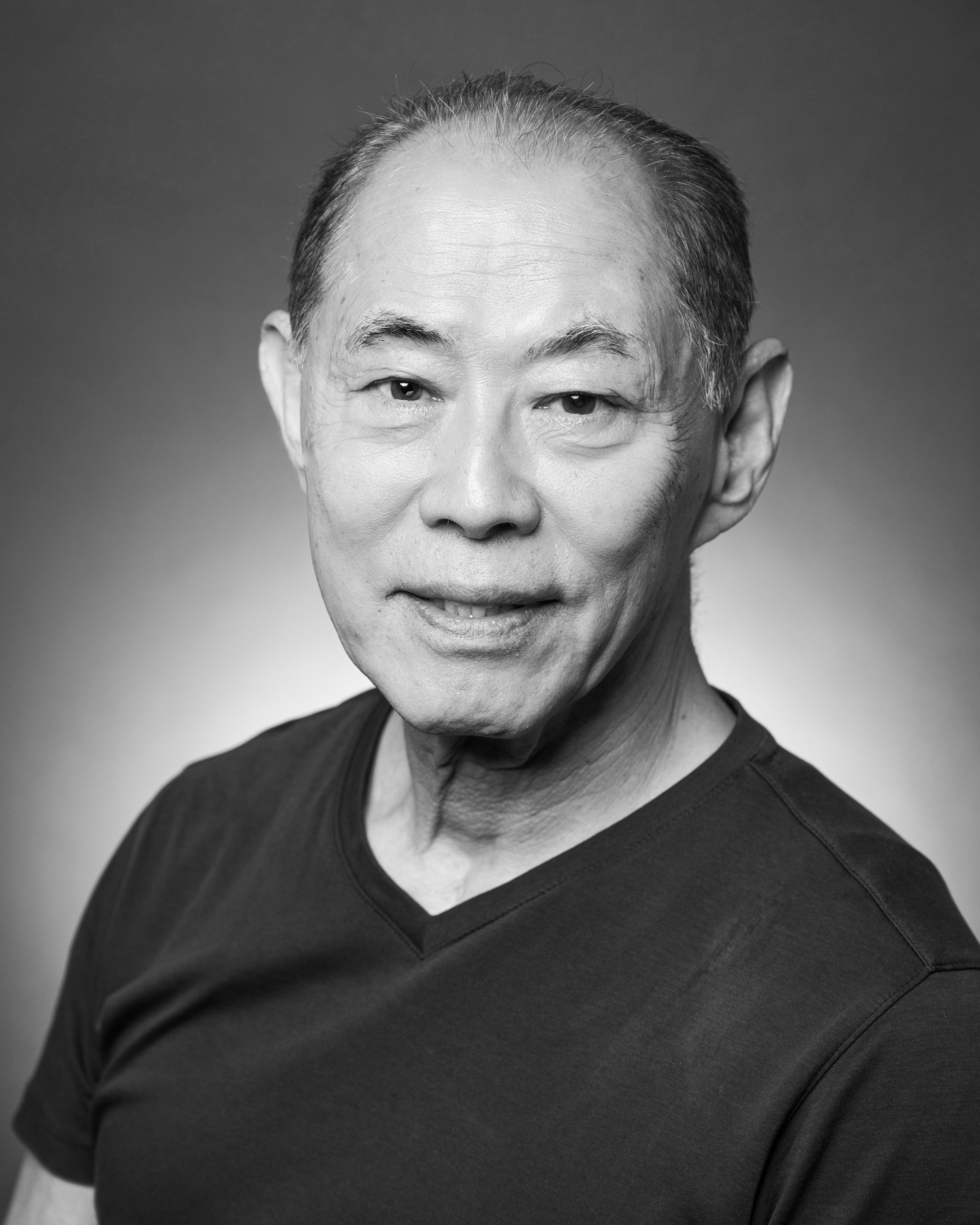
“I was fortunate to attend Rachael Maddow’s “Burn Order” live discussion in Los Angeles through Peter Irons’ lobbying that I be invited. I’m so glad I did! I met with Rachael Maddow and some old troublemaker friends from the Redress Movement and Coram Nobis cases backstage, including Peter, Lori Bannai (members of our legal team), Chiz Oyama, Dr. Satsuki Ina, Frank Abe, Mark Takano and Karen Korematsu. Rachael Maddow was both gracious and quite animated. Also funny.
The production was terrific and the speakers were likewise articulate and informative. The presentation of our stories to a national audience by an esteemed journalist/storyteller and by brilliant presenters was spectacular, and hopefully educated a broader audience than anyone of us could reach. They recounted the terrible deprivations of the incarceration and included the deceit and grave misconduct in the Supreme Court, which allowed our legal teams to overturn the Korematsu, Hirababayashi and Yasui convictions. This was truly gratifying. I sat next to Peter Irons and Karen Korematsu and could feel their sense of appreciation as well.
The genius of Rachel’s illuminating production was not in just an historical lesson of the Japanese American experience but in linking our stories to today’s brutal treatment of immigrants, people of color, and marginalized groups. Japanese Americans shared the same violations of statutory and Constitutional laws, family separations, racial profiling, revolting and inhumane treatment. History is repeating itself unless we stop it.”
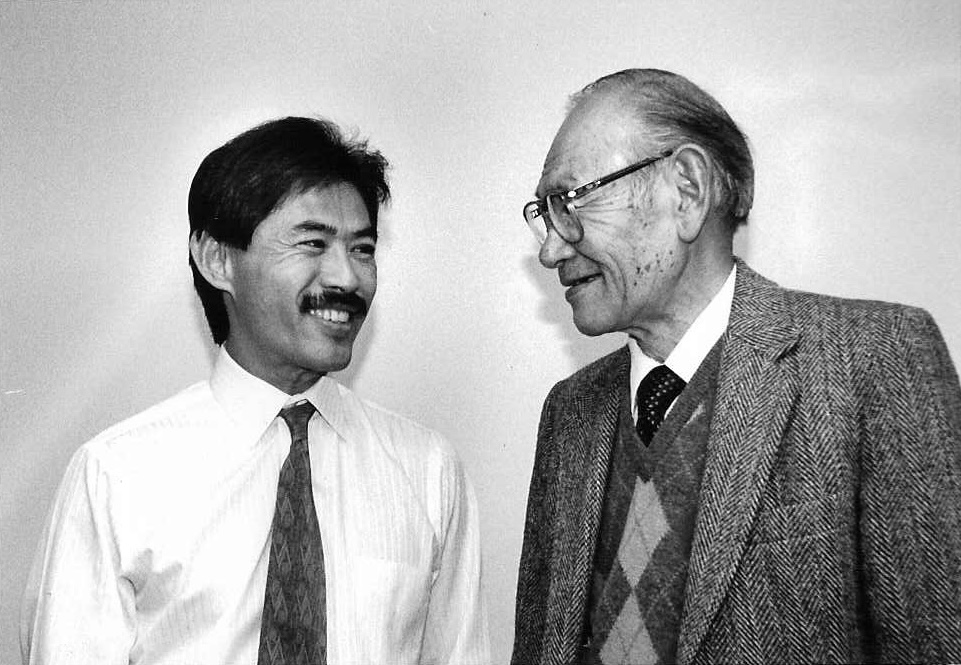
The collected quotes demonstrate how a podcast, and popular media more broadly, can intervene not only in political discussions but also in collective public memory. How we remember the past directly influences how we understand the present, and both are ultimately determined by the stories, ideas, and media that we’re exposed to. By throwing a spotlight on the WWII incarceration of Japanese Americans, illuminating previously overlooked details and stories, Burn Order prompts the general public to think more critically about our nation’s past and present. Maddow and her team urge us to recognize how our government can take away the constitutional rights of people deemed “enemy aliens” or “national security threats,” consequently asking us to stand up against such violations—a call to action that feels increasingly urgent in our current social and political climate.
—
By Jennifer Noji, Densho’s Senior Development and Communications Manager, with contributions from Gil Asakawa, Bruce Embrey, Ellen Endo, Renee Tajima-Peña, Hanako Wakatsuki-Chong, and Dale Minami.
Read Brian Niiya’s article and Eric Muller’s review for more historical context and additional perspectives about Rachel Maddow Presents: Burn Order.