Category: Densho statement
View Other Categories
Welcoming a New Chapter for Densho
Densho welcomes new team members, Lisa Doi and Jonathan van Harmelen, at a time of growth and transition for the organization. Densho Executive Director Naomi Ostwald Kawamura reflects on Densho’s…
Densho responds to racist logic of incarcerating Chinese Americans
Densho unequivocally condemns recent statements made on the podcast Timcast IRL suggesting that Chinese Americans should be incarcerated in the event of a war between China and the U.S. On…
Densho Opposes Plans to Close National Archives Facilities in Chicago and San Bruno
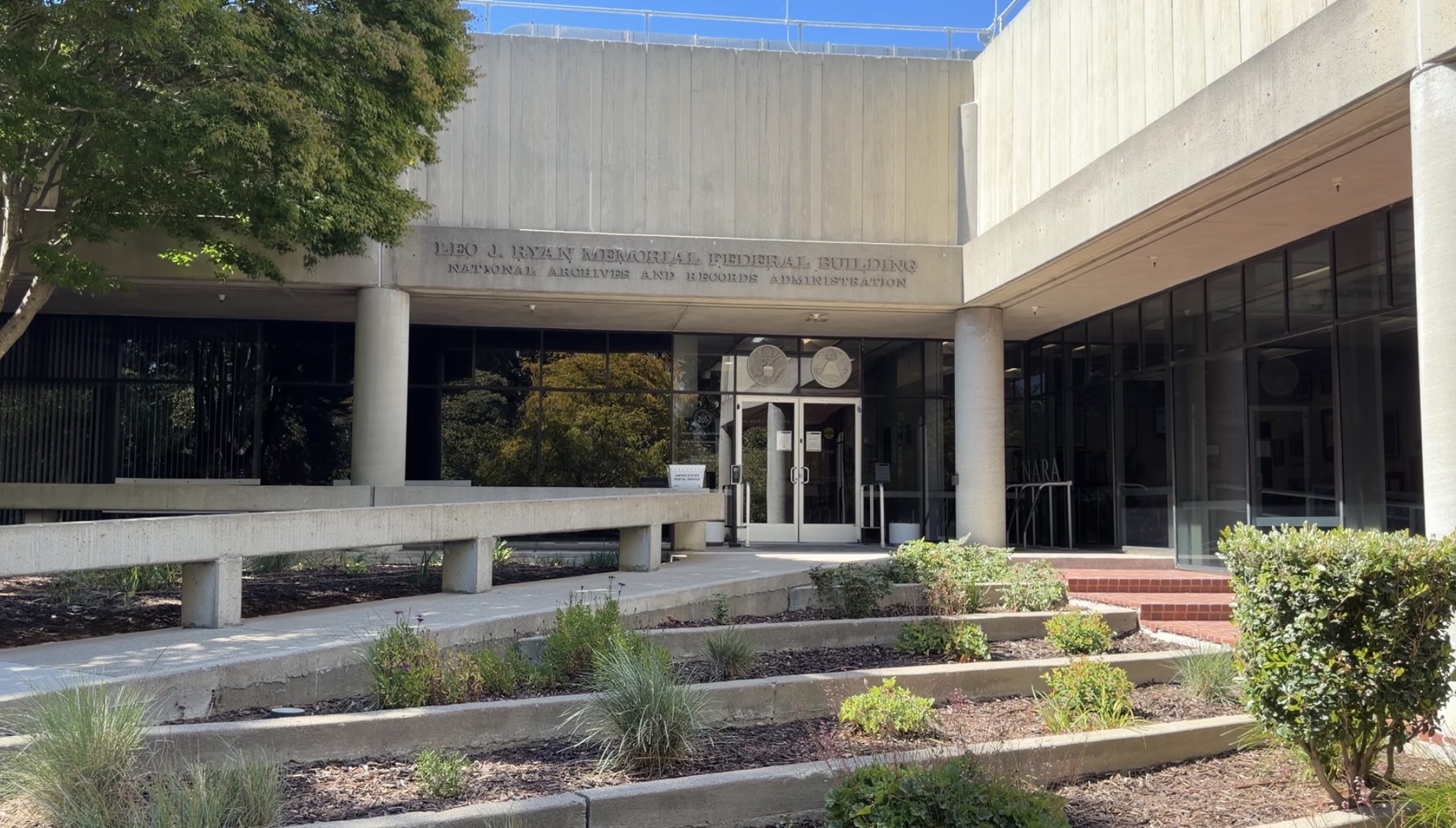
— Densho opposes the National Archives and Records Administration’s (NARA’s) announced plans to close its facilities in Chicago, IL, and San Bruno, CA. The closures would threaten regional access to…
Acknowledging the Takahashi Foundation’s Contributions to our Community and History
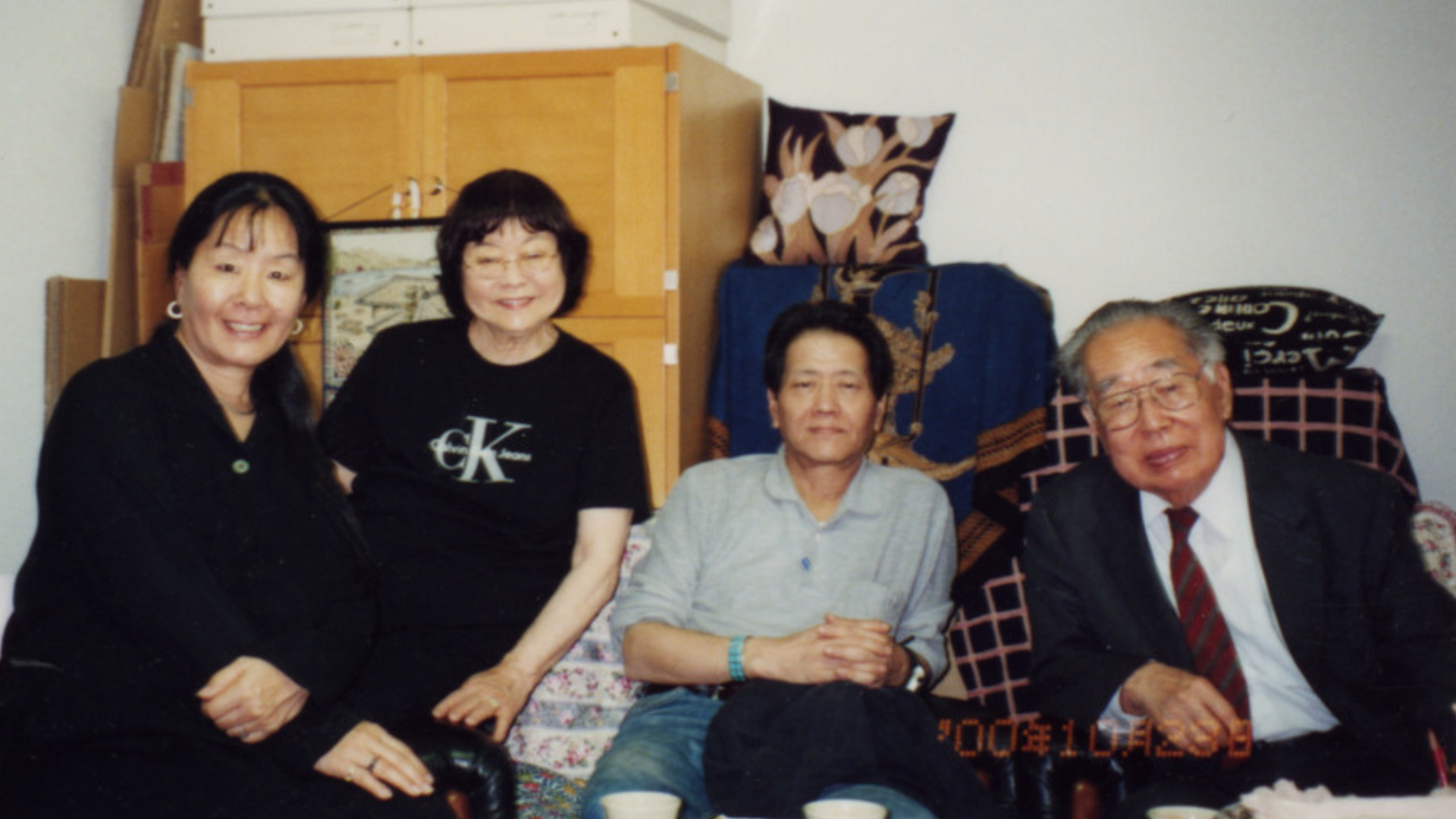
Densho is honored to be among five Japanese American organizations selected to receive a major award from the Henri and Tomoye Takahashi Charitable Foundation, in recognition of our shared commitment…
Densho launches first-ever Public Index of Japanese American Collections to safeguard WWII incarceration history
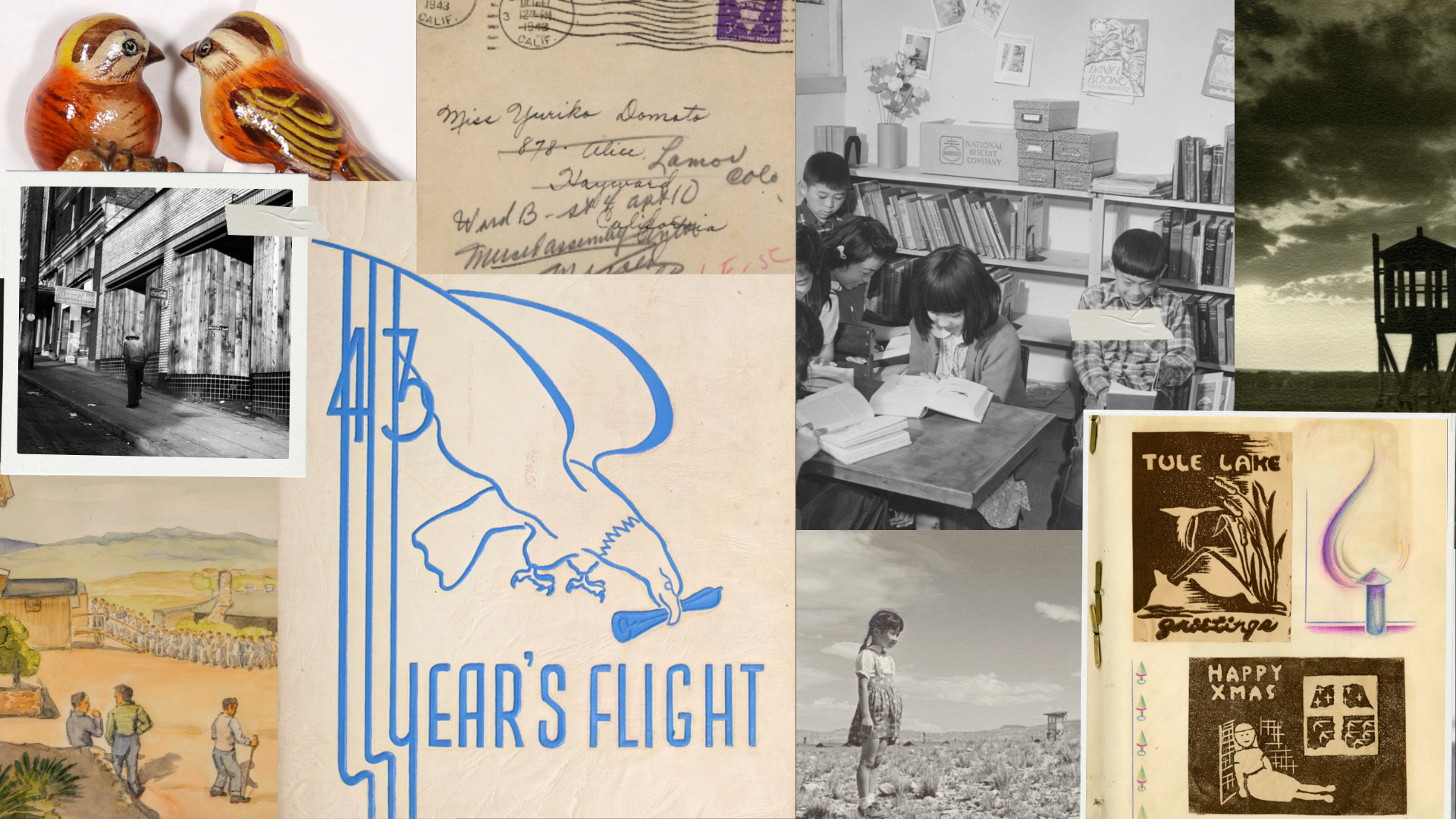
Earlier this year, Densho launched the Public Index of Japanese American Collections—the first comprehensive, publicly accessible index of archival materials documenting the wartime incarceration and Japanese American history more broadly….
Building the Densho Digital Repository: Three Decades of Digital Preservation
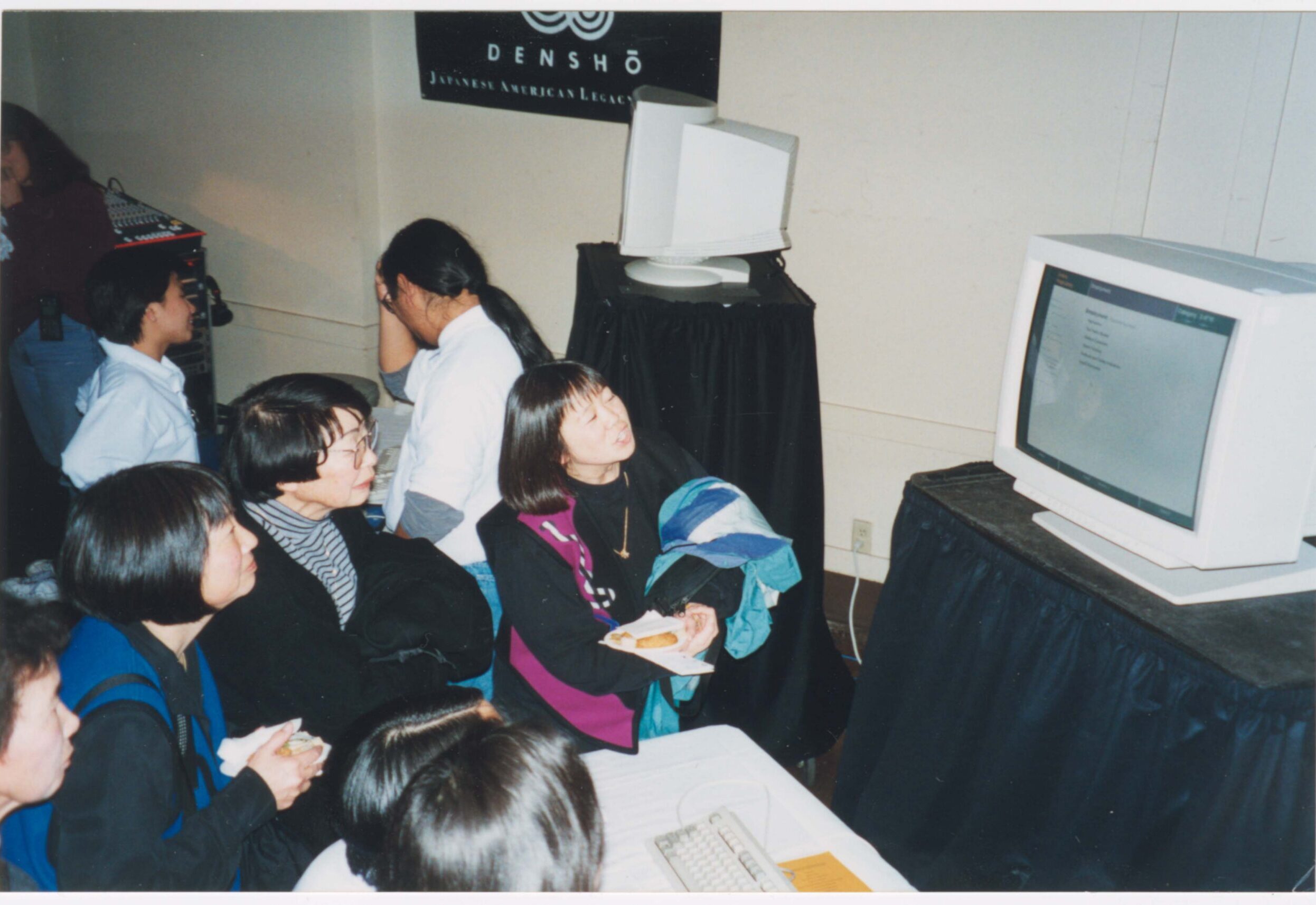
How did Densho’s digital archives begin, and how have they evolved over nearly three decades? Densho Archives Director Caitlin Oiye Coon traces the journey from the creation of Densho’s first…
Launching the Densho Public Index of Japanese American Collections on this Day of Remembrance 2026
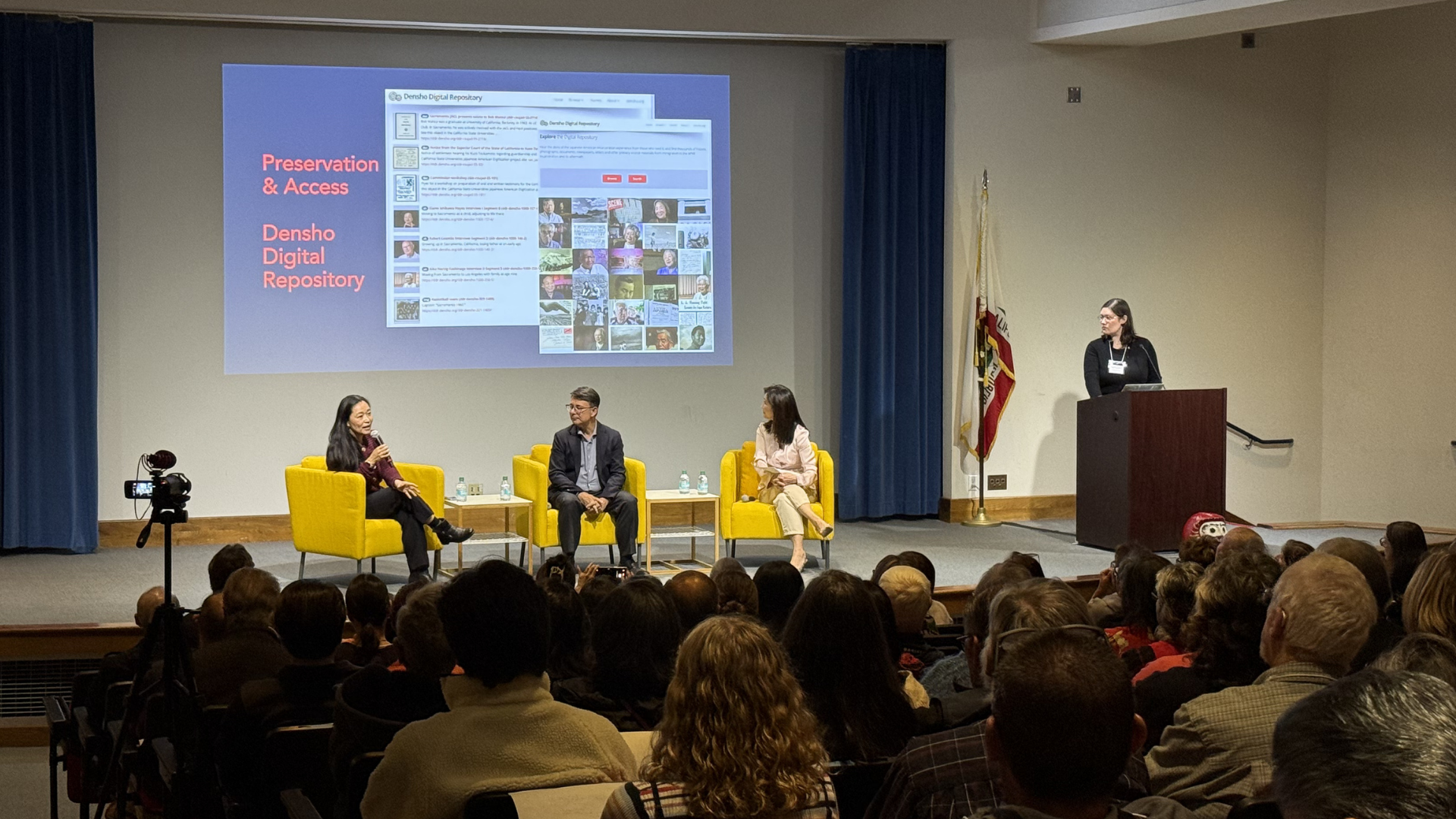
Each year, February 19th brings us back to a crucial date in 1942. On that day, President Franklin D. Roosevelt signed Executive Order 9066, a decision that authorized the forced…
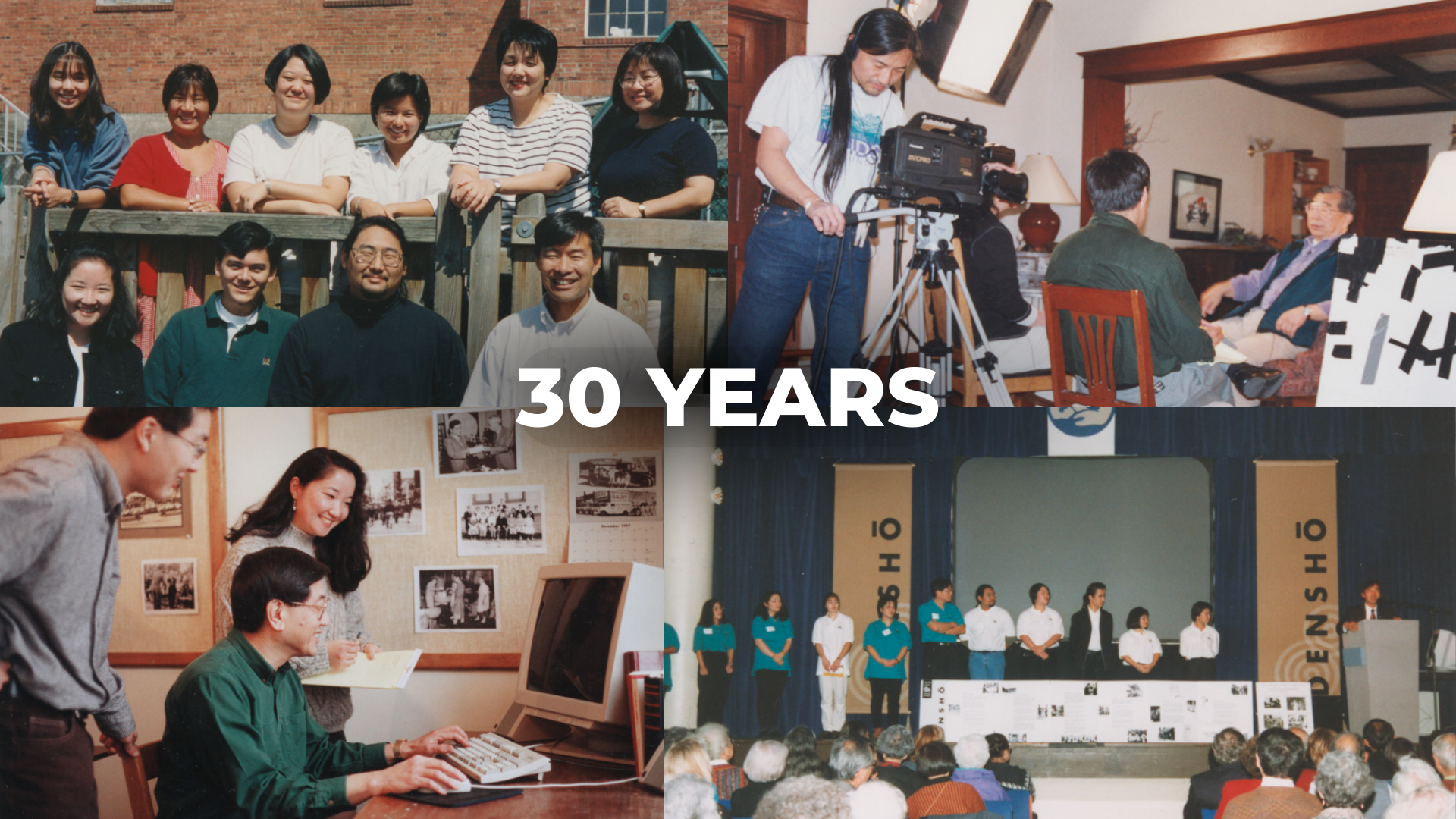
30 Years with Densho: Three Decades of Preservation, Education, and Storytelling
As Densho marks its 30th anniversary, Executive Director Naomi Ostwald Kawamura reflects on the organization’s past, present, and future, honoring the community that built Densho and addressing the urgent work…
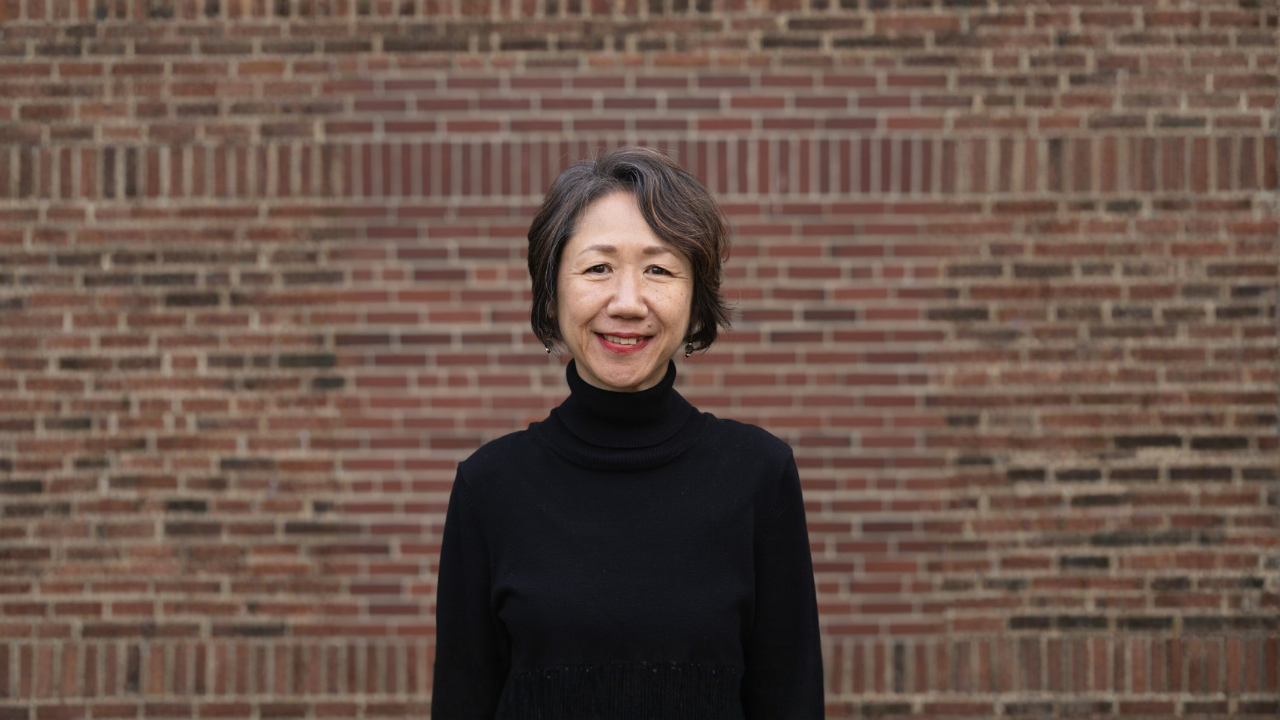
Celebrating Naoko Tanabe’s Contributions to Densho
After nearly two decades of dedicated service, Densho’s Japanese Researcher and Translator Naoko Tanabe is retiring at the end of this year. Since joining Densho in 2006, Naoko has worked…
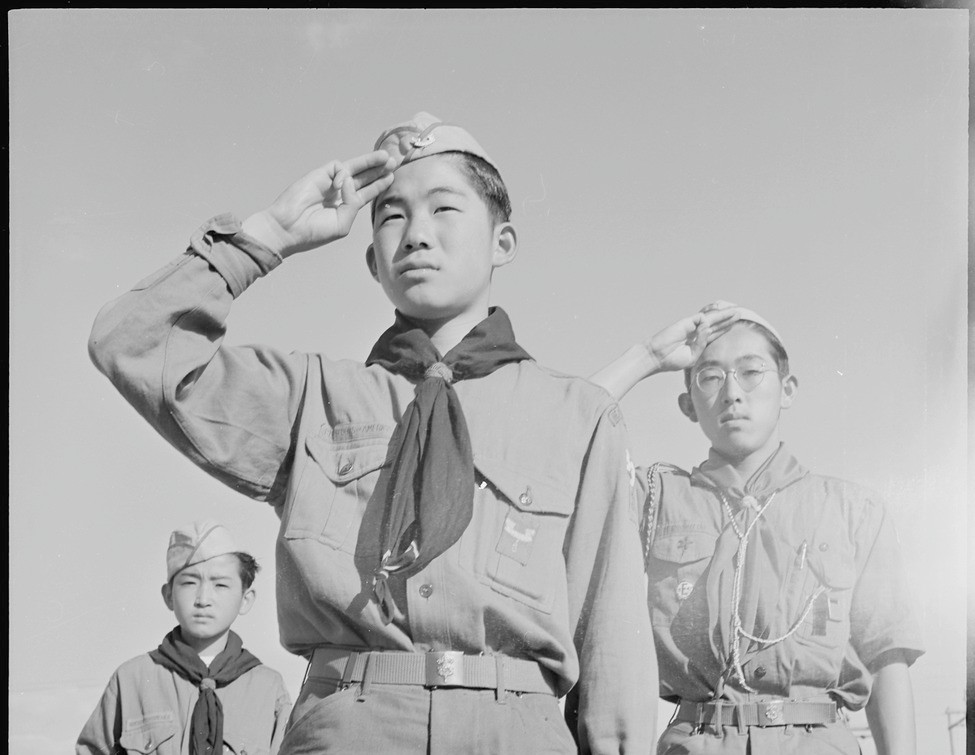
When History Is Rewritten and Suppressed, Democracy Is at Risk
In recent weeks, the Smithsonian museums have come under political review and critique. Some of the nation’s most visible historical institutions are being pressured to change how U.S. history is…
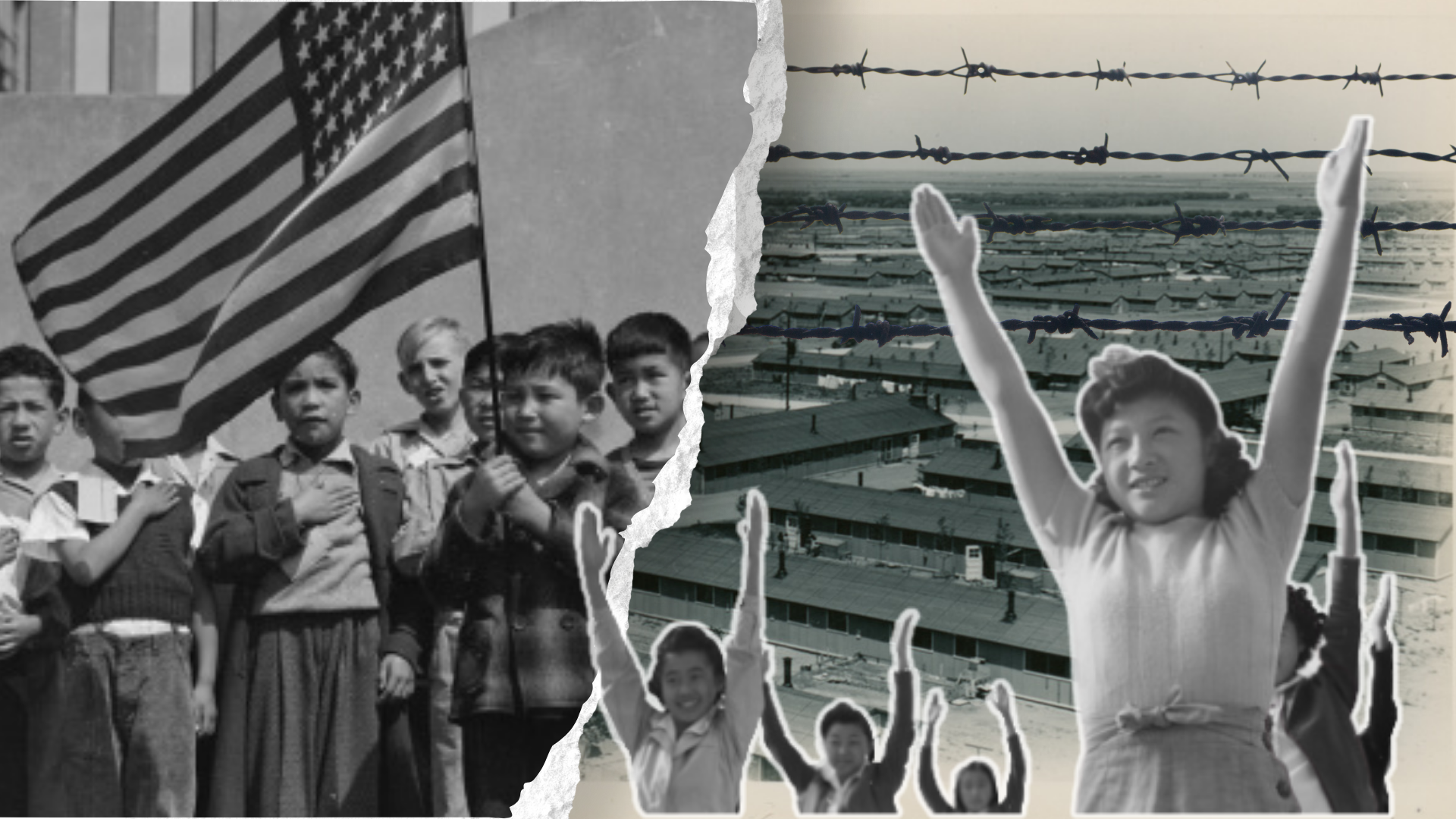
Densho’s Commitment to Rejecting Censorship and Preserving Truth in the Archives
At Densho, we know what it means to have your history distorted or silenced. Our organization was founded to ensure that the stories of Japanese Americans, especially those forcibly removed…
The Rise and Threats of Digital Erasure in Public Memory
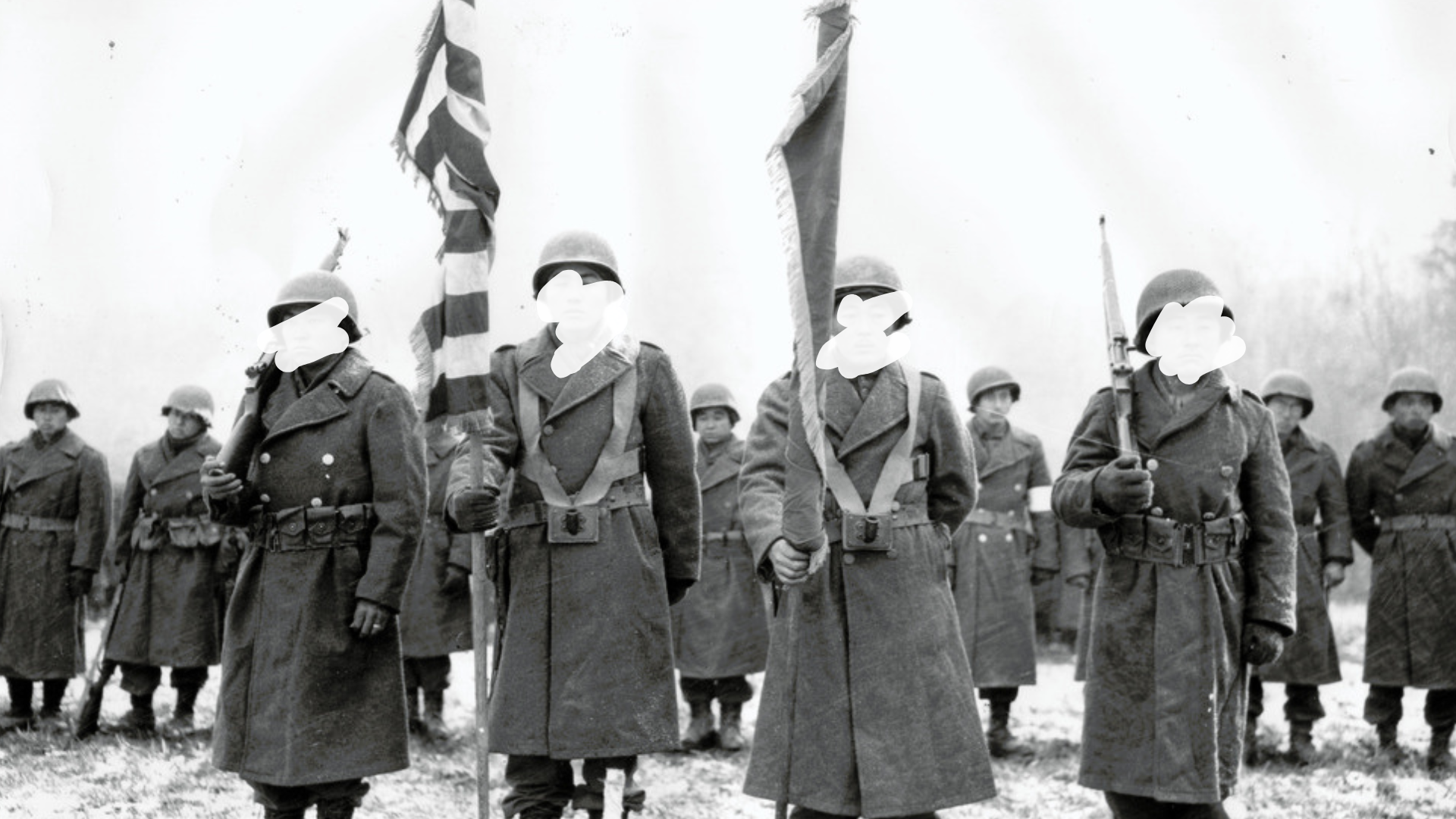
Over the last week, the U.S. Army quietly removed and republished its webpage on the 442nd Regimental Combat Team (RCT), the famed all-Japanese American unit that became one of the…
The National Archives Is Whitewashing “Ugly” Histories Like Japanese American Incarceration
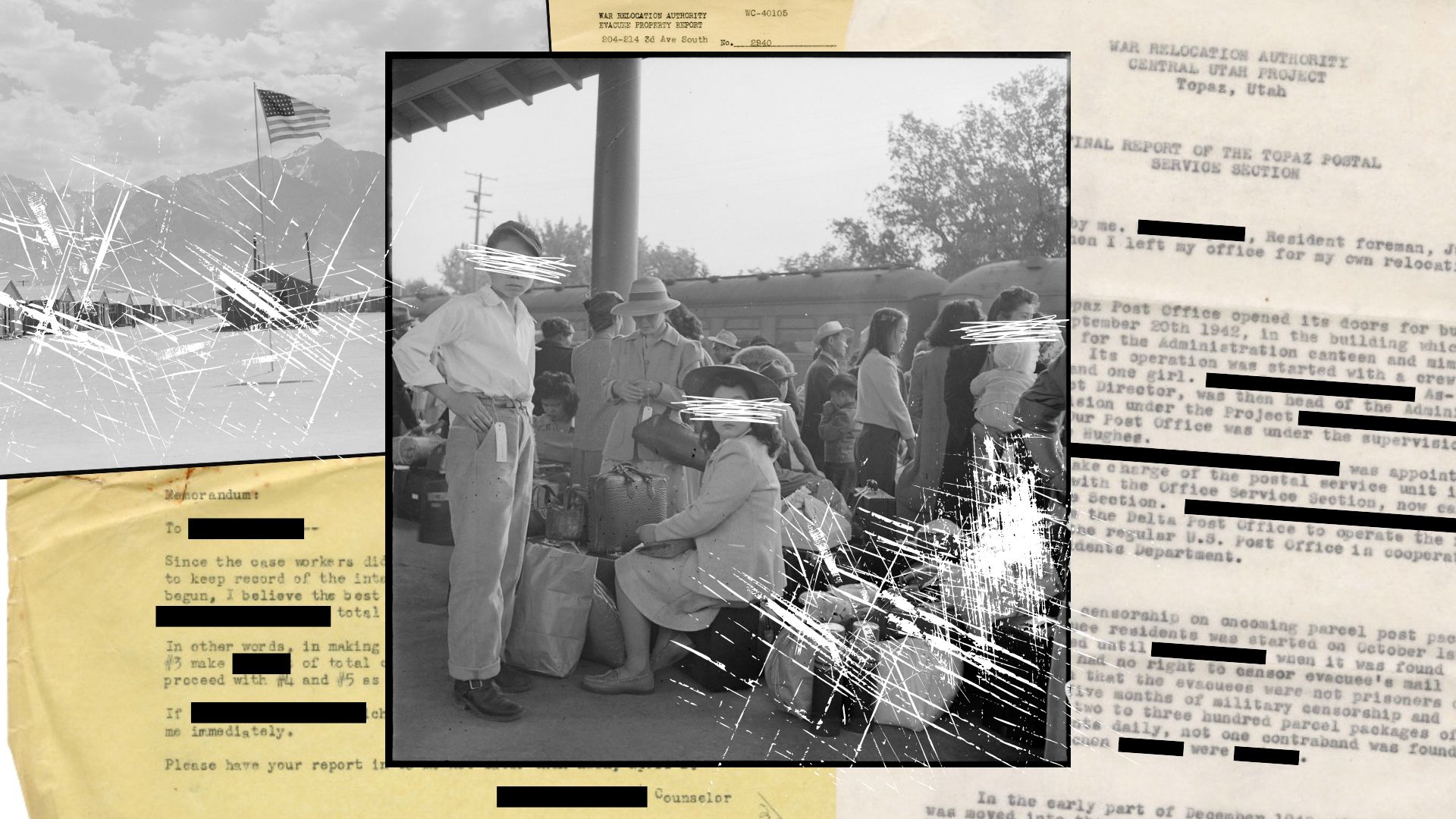
The National Archives and Records Administration (NARA) is probably not a household name for most Americans. This federal agency oversees billions of documents, from the Declaration of Independence to electronic…

Densho’s Public Comments on the Lava Ridge Wind Project
The proposed Lava Ridge Wind Project adjacent to the Minidoka National Historic Site would disrupt the site’s historic significance to survivors of WWII incarceration and their descendants. Densho submitted public…
Tell Congress to Pass the Japanese American Confinement Education Act
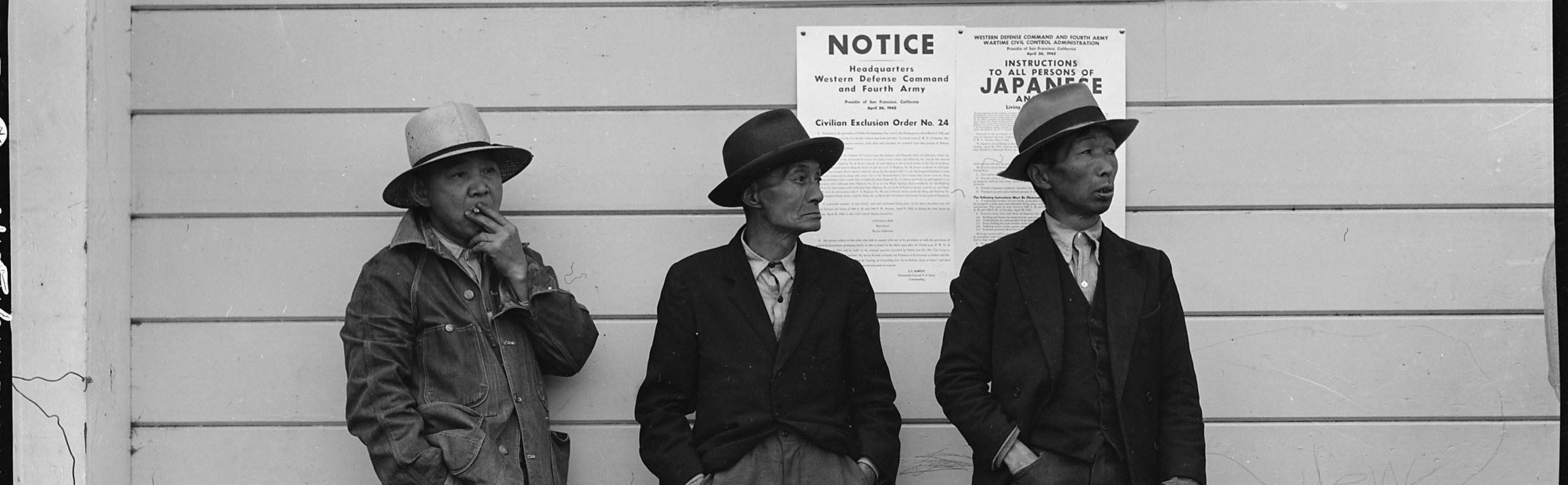
Over the past fifteen years, the Japanese American Confinement Sites (JACS) federal grant program has funded 268 projects increasing public knowledge about Japanese American WWII incarceration. But that funding is…
Asian American Anti-Blackness Is Real—And So Is Our Responsibility to End It
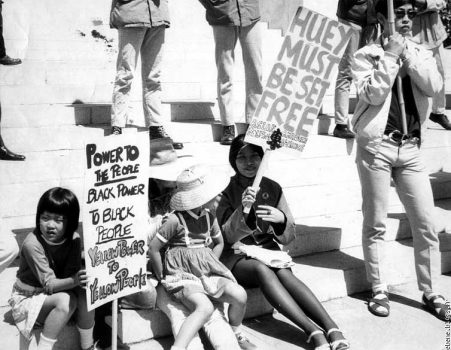
We’re holding a lot of grief and anger over the Black lives stolen by white supremacy in recent weeks. For George Floyd, Breonna Taylor, Nina Pop, Ahmaud Arbery, and so…
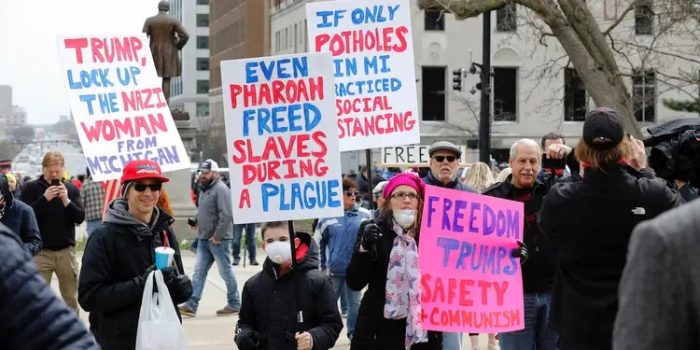
We Can’t Believe This Actually Needs to Be Said, But No, Quarantine Is Not the Same Thing as Incarceration
Earlier this month, three Kentucky pastors filed a lawsuit against a statewide lockdown to limit the spread of COVID-19 — citing Fred Korematsu’s Supreme Court case to paint the order…
An Open Letter to Detention Profiteer Jennifer Nakamoto
Dear Jenni, Like you, we are the children and grandchildren of Japanese Americans who experienced the humiliation and degradation of WWII incarceration. Like you, our families have faced “disadvantage and…
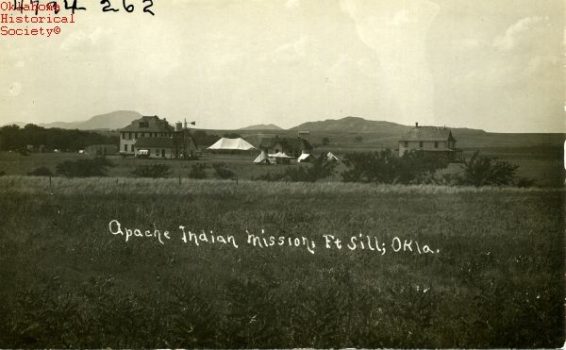
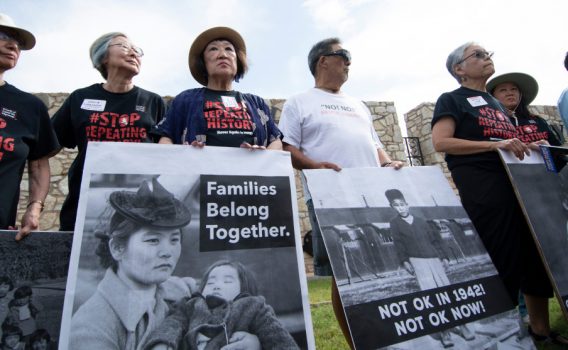
Fort Sill is a Site of Ongoing Trauma
The Trump Administration’s plan to use Fort Sill, Oklahoma as a concentration camp for immigrant and refugee-seeking children is just the latest in a long legacy of violent incarceration and…
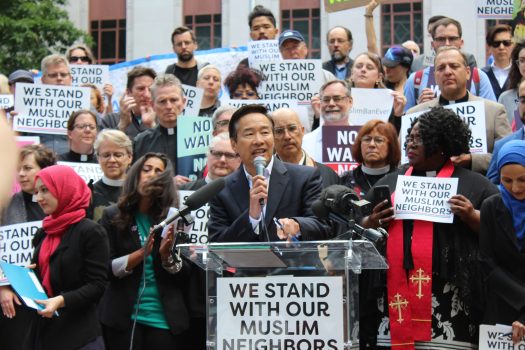
The Supreme Court Got It Wrong, Again
In today’s ruling upholding the Muslim Ban, the Supreme Court is repeating the mistakes it made in defending the forced removal and incarceration of Japanese Americans during WWII.
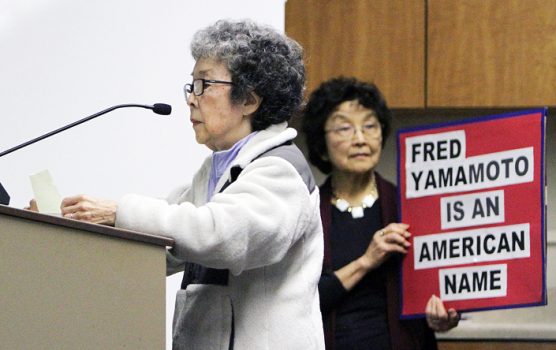
Yamamoto is an American Name Too
A middle school renaming process in Palo Alto, California has kicked up some of the same xenophobic dust that clouded public understandings about Japanese American complicity in the attack on…
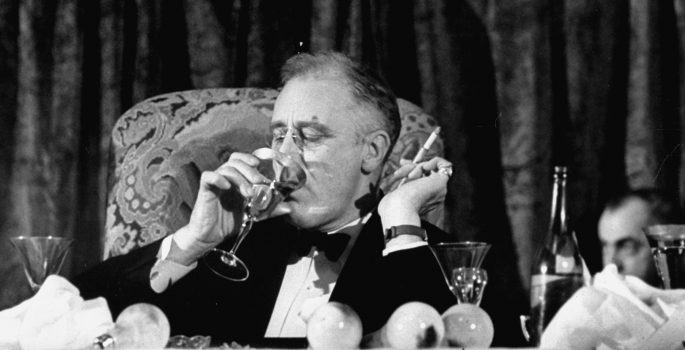
An Open Letter to the Incarceration Apologists in Our Comment Section
First of all, thank you for taking time out of your busy schedule of being triggered by other people’s gender pronouns, asking women what they were wearing, and trying to…
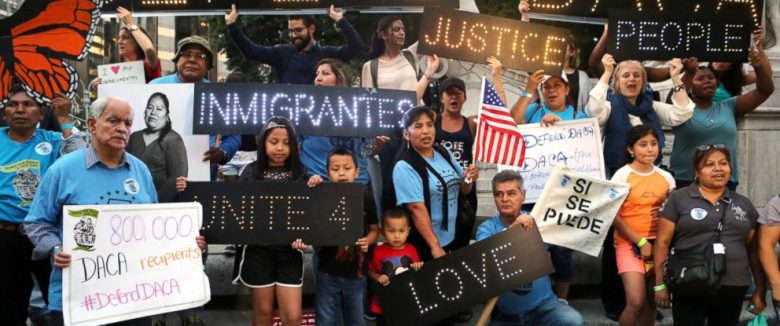
As We Fight for DACA, We Must Remember These Four Things
This week, President Trump turned the futures of 800,000 young immigrants, many of whom know no life outside the U.S., into gambling chips in a toxic political climate. Aside from…
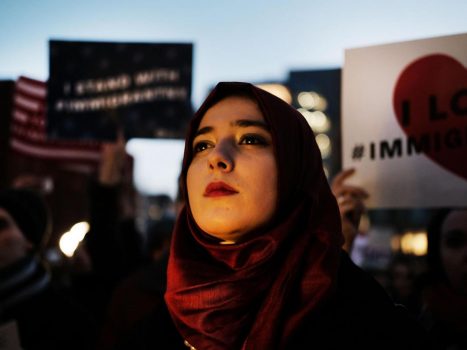
This is Not a Test
Statement from Densho Director Tom Ikeda For decades, “Never Again” has been a rallying cry for many Japanese Americans. Invoking these words reminds us of the trauma of our own…