January 16, 2026
In this special guest post, Hanako Wakatsuki-Chong (Executive Director of the Japanese American Museum of Oregon) reflects on and celebrates the 25th anniversary of Minidoka National Historic Site joining the National Park Service on January 17, 2001. It chronicles how community-driven efforts preserved the site and transformed the former incarceration camp into a place of education and healing, highlighting key partnerships that have connected thousands of people to this important history. Hanako reflects on how lessons from Minidoka’s history remain relevant for protecting constitutional rights today.
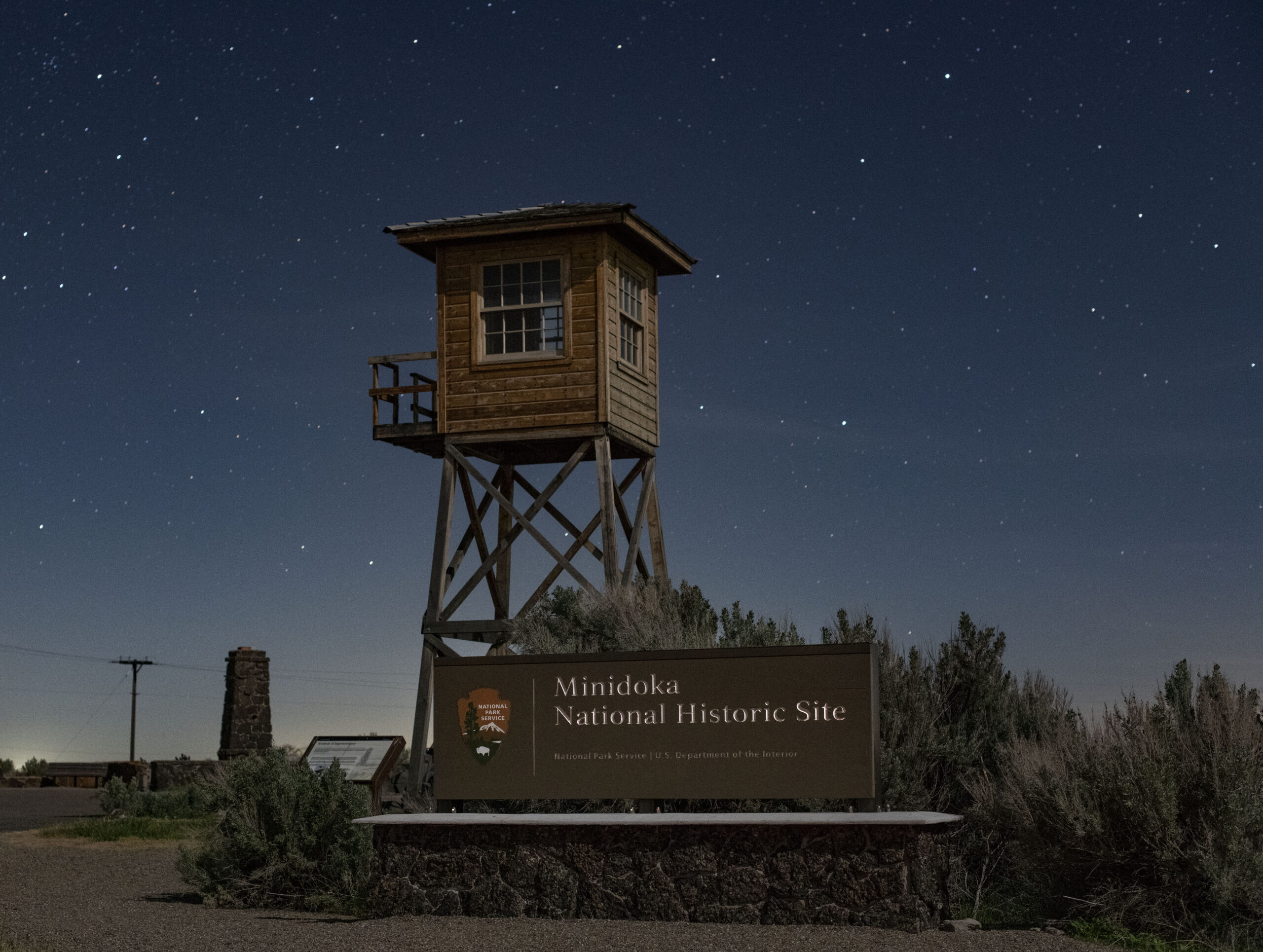
Today marks 25 years since Minidoka National Historic Site joined the National Park Service, a milestone that celebrates not just preservation of place, but the triumph of memory over forgetting. Established on January 17, 2001, through presidential proclamation, this 385th unit of the National Park Service stands as a powerful reminder of resilience in the face of injustice.
The story of Minidoka’s preservation began long before 2001, rooted in the determination of the Japanese American communities across Idaho, Oregon, Washington, and Alaska. The Pocatello-Blackfoot Chapter and the Intermountain District Council of the Japanese American Citizens League led early efforts. They worked tirelessly with the Bureau of Reclamation and Senator Frank Church to place Minidoka Relocation Center on the National Register of Historic Places in 1979, and they later worked with the Idaho Centennial Celebration in 1990. A decade later, highway historical markers and plaques were installed, reminding visitors of “what can happen when other factors supersede the constitutional rights guaranteed to all citizens and aliens living in this country.”1
The community’s coalition-building efforts eventually reached the White House, where they found a crucial advocate in Dan Sakura, a senior policy advisor whose father David had been incarcerated at Minidoka at age six. Dan’s family history and governmental expertise proved instrumental in securing the site’s designation.
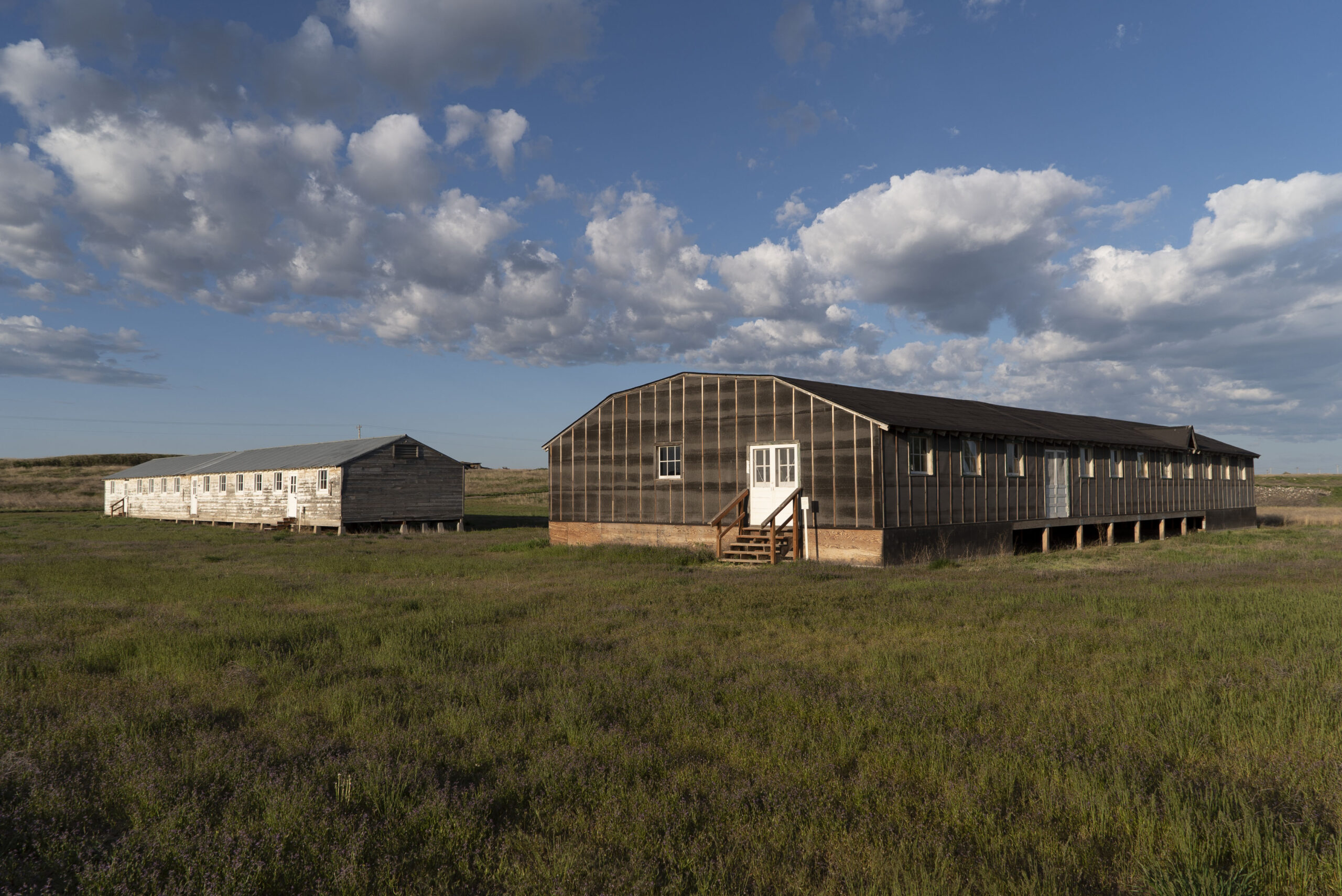
During its operation from August 1942 to October 1945, Minidoka confined more than 13,000 Japanese Americans, most from Washington, Oregon, and Alaska. At its peak, 9,397 people lived behind barbed wire, transforming southern Idaho’s agricultural landscape through extractive labor—clearing sagebrush, building irrigation channels, and growing crops. While often remembered for high “loyalty” questionnaire rates and military service, Minidoka also housed notable resisters like Minoru Yasui, who challenged the government’s actions in the Supreme Court. The site’s history is detailed in the 2018 book Minidoka National Historic Site, and Densho hosts some of the images that were digitized in that project.
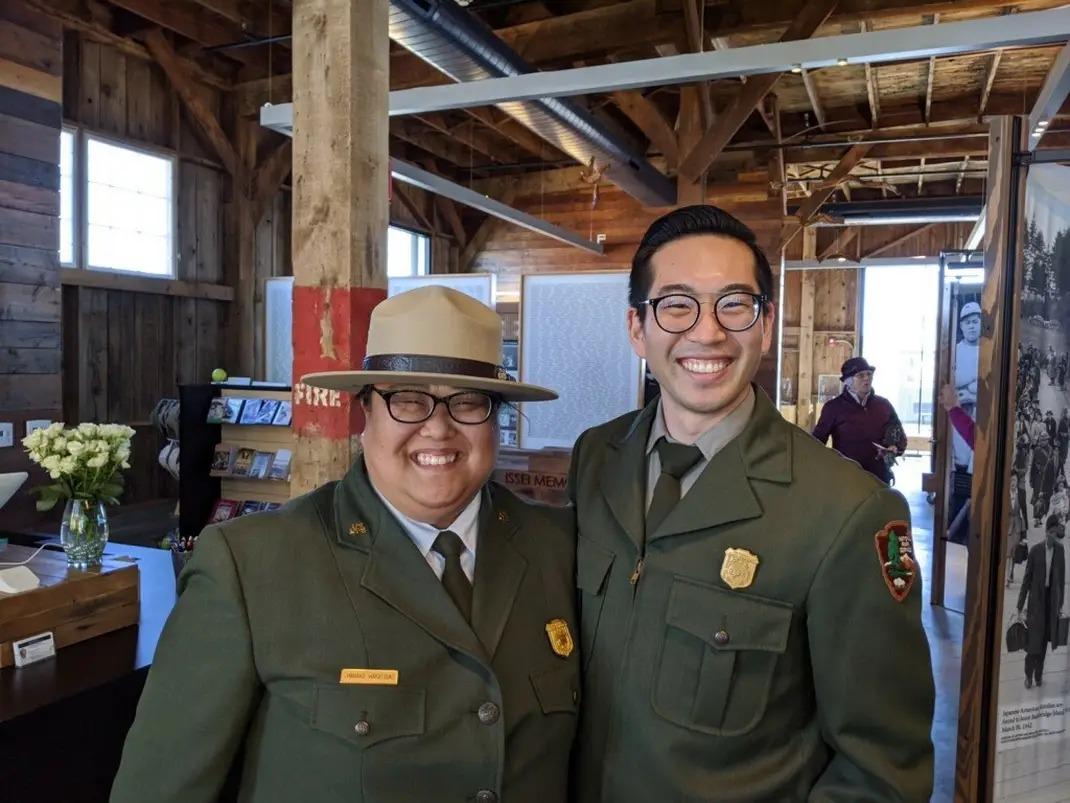
Minidoka’s multilayered wartime history would be further shared with the public when the site became a part of the National Park Service in 2001. From its humble administrative beginnings, Minidoka has flourished under dedicated leadership. Three superintendents (Neil King, Wendy Janssen, Judy Geniac, and now Wade Vagias) and four chiefs of interpretation (Carol Ash, Hanako Wakatsuki-Chong, Kurt Ikeda, and now Lisa Shiosaki Olsen) have stewarded this vital history over the last quarter century.
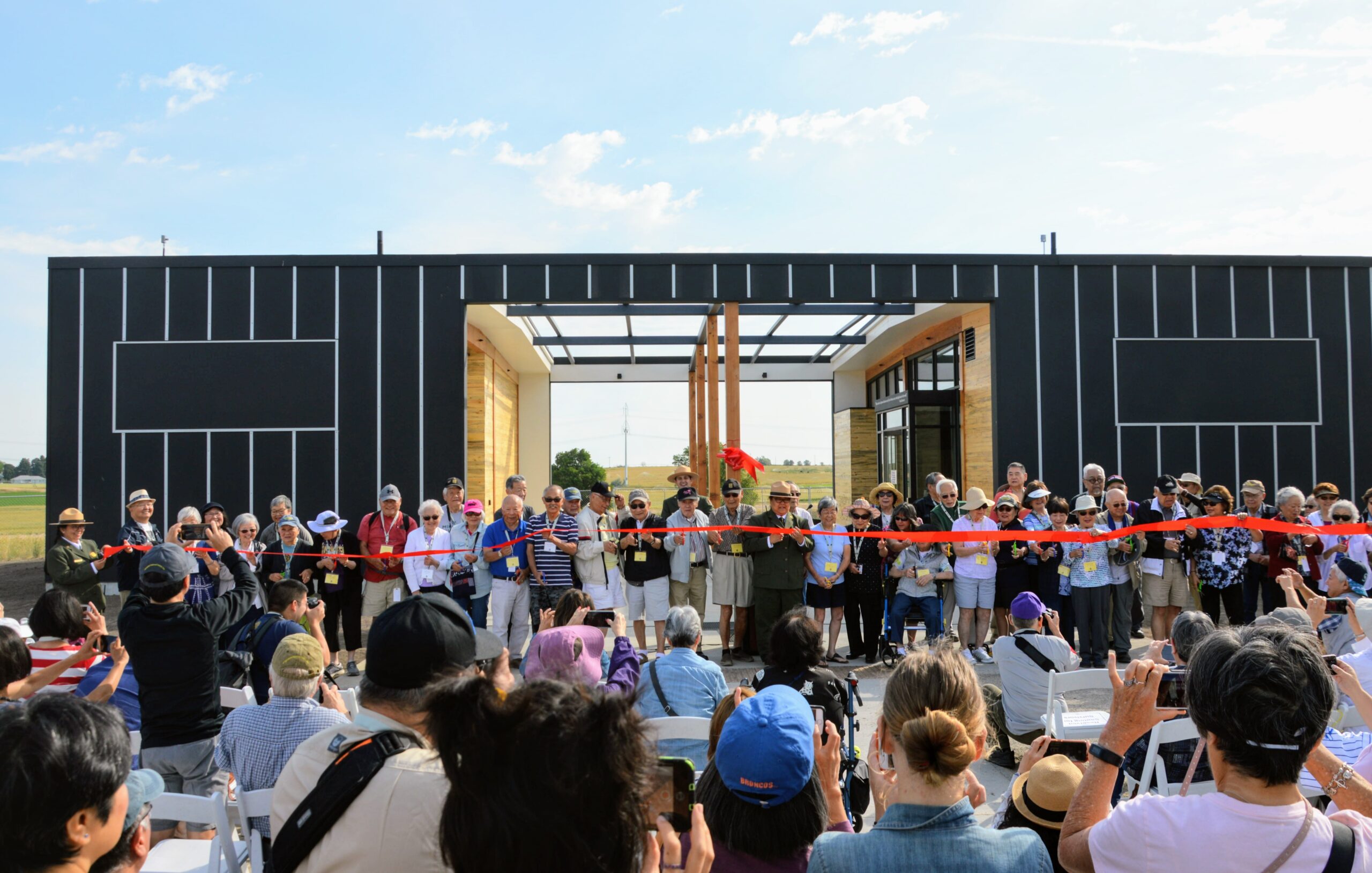
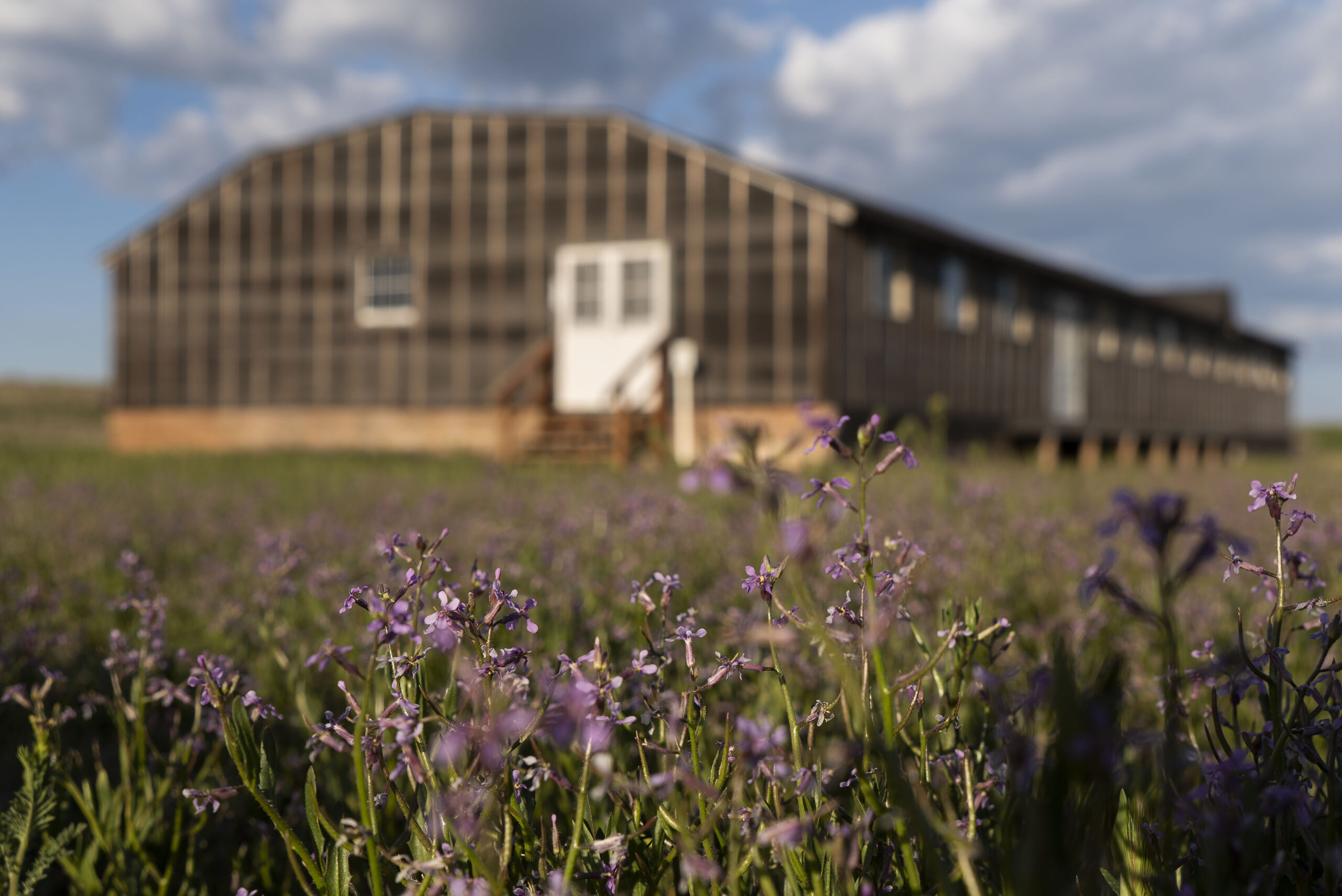
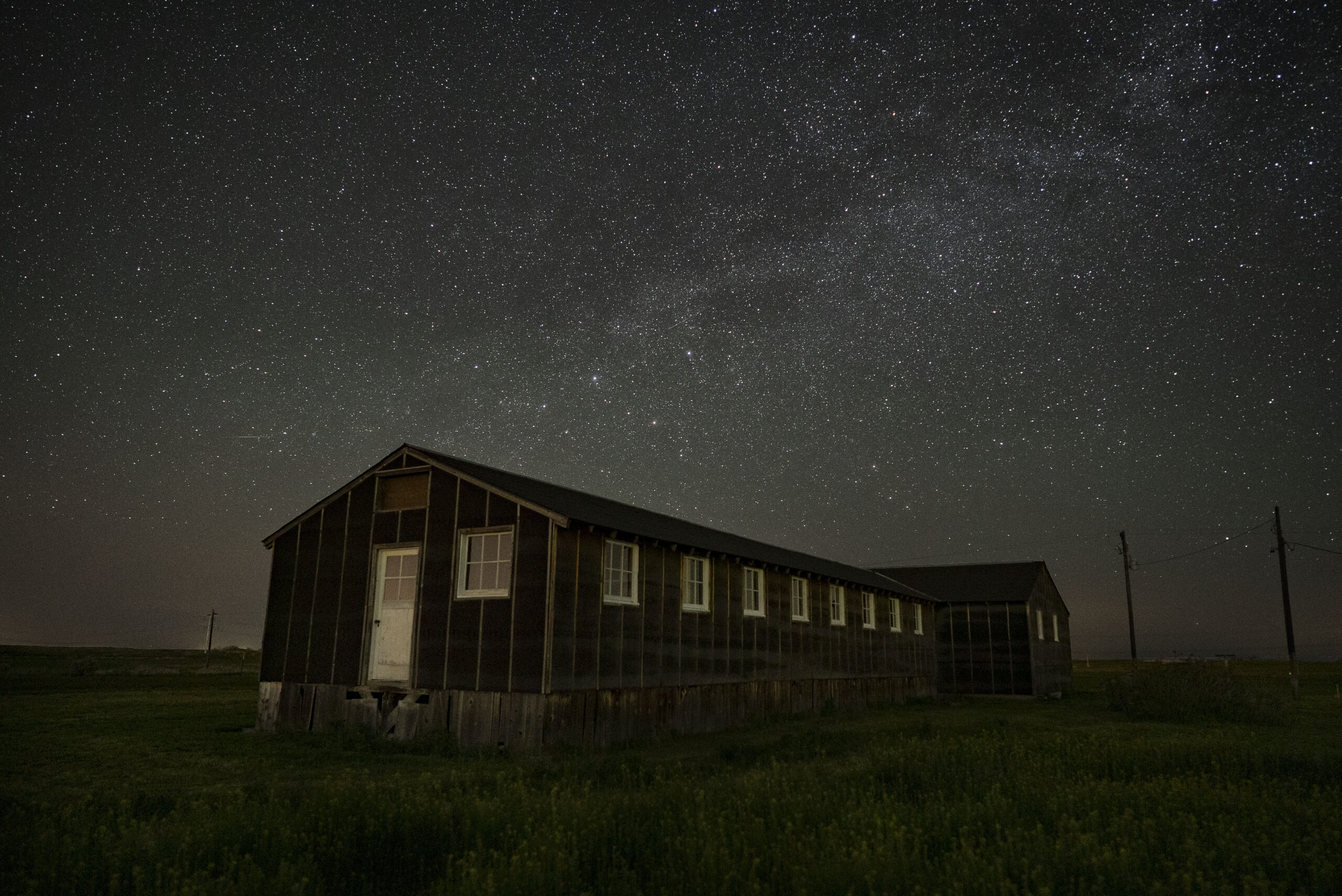
The transformation has been remarkable. Important features have been reconstructed or returned: the perimeter fence, a barrack, a mess hall, and walking trails with interpretive panels. In 2008, the site gained National Historic Site status, and the Bainbridge Island Japanese American Exclusion Memorial joined the National Park Service as a unit of Minidoka. The temporary visitor center in the Herrmann farmhouse, established in 2017, gave way to a state-of-the-art facility in the rehabilitated Warehouse #5. Minidoka survivors cut the ribbon of the new visitor center2 at the 2019 pilgrimage, and Idaho Governor Brad Little joined the public grand opening in February 2020.
A Living Memorial: Community as the Heartbeat of Minidoka
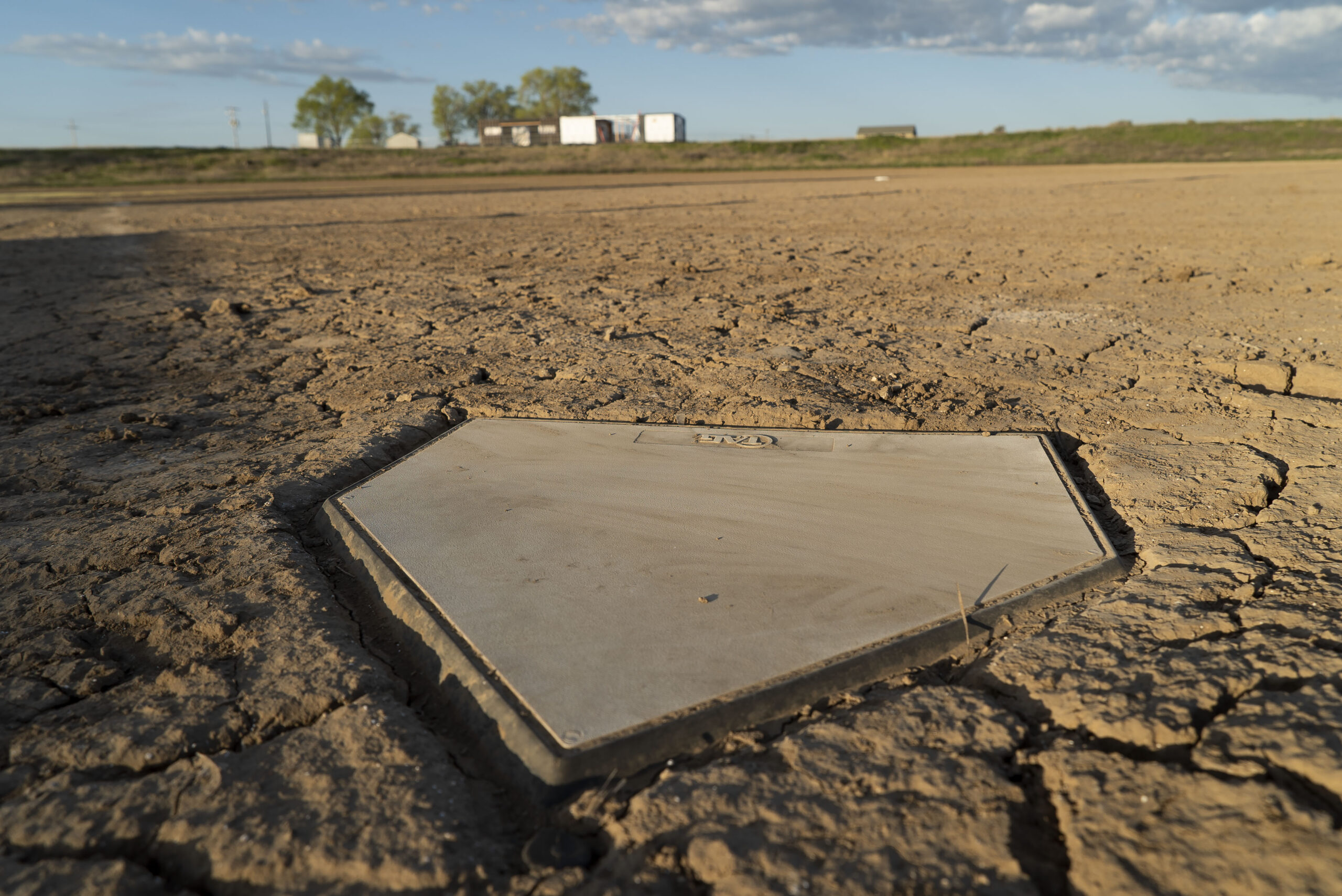
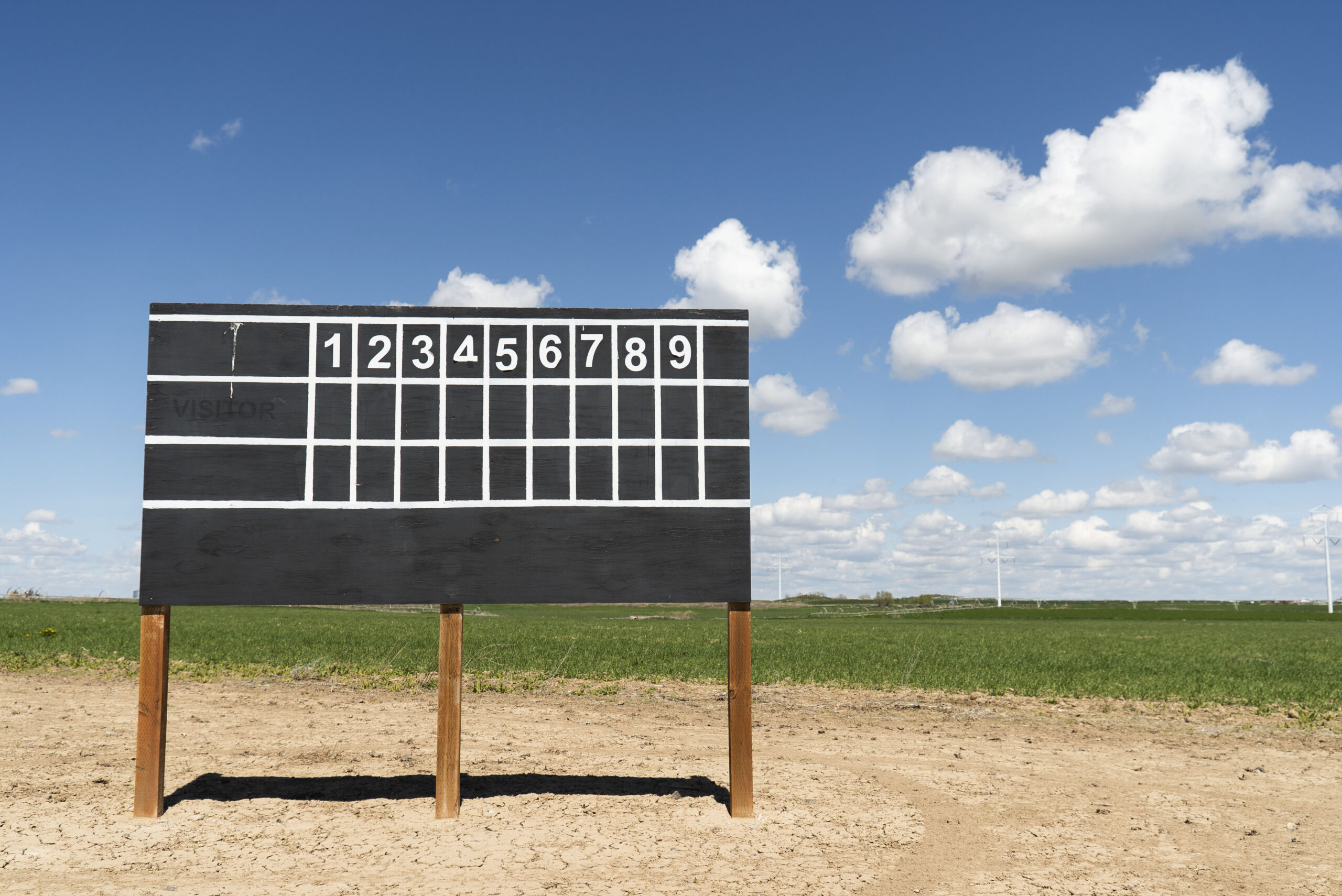
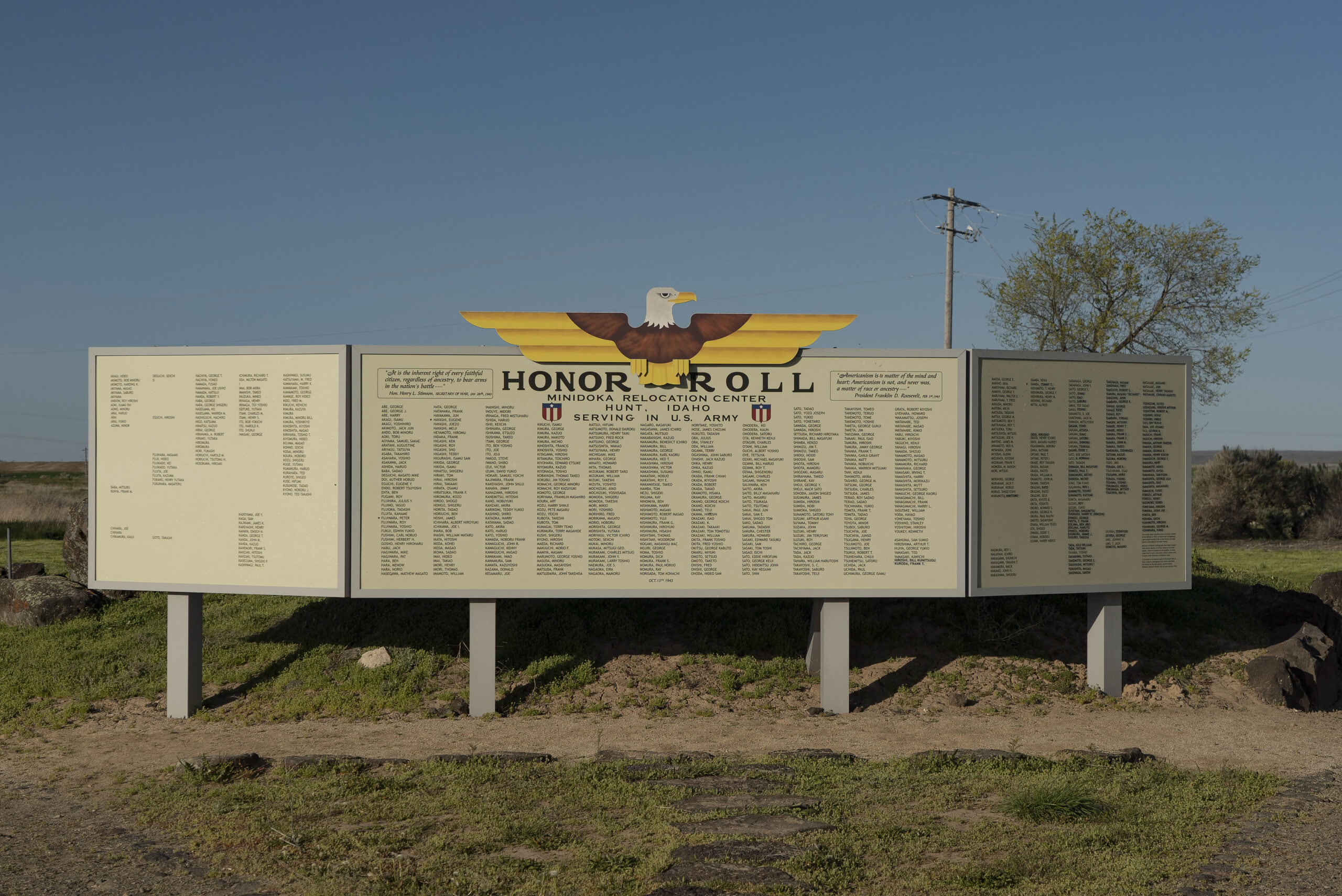
What makes Minidoka truly extraordinary is not just its physical preservation—it is how the site pulses with life through an ever-expanding network of community connections. This vitality flows from partnerships that have transformed Minidoka from a place of confinement into a space of collective healing and learning. Since 2003, the Friends of Minidoka have channeled community dedication into tangible restoration—the honor roll (2011), guard tower (2014), baseball field (2016), and Issei memorial (2019), each representing not just structures, but reclaimed dignity.
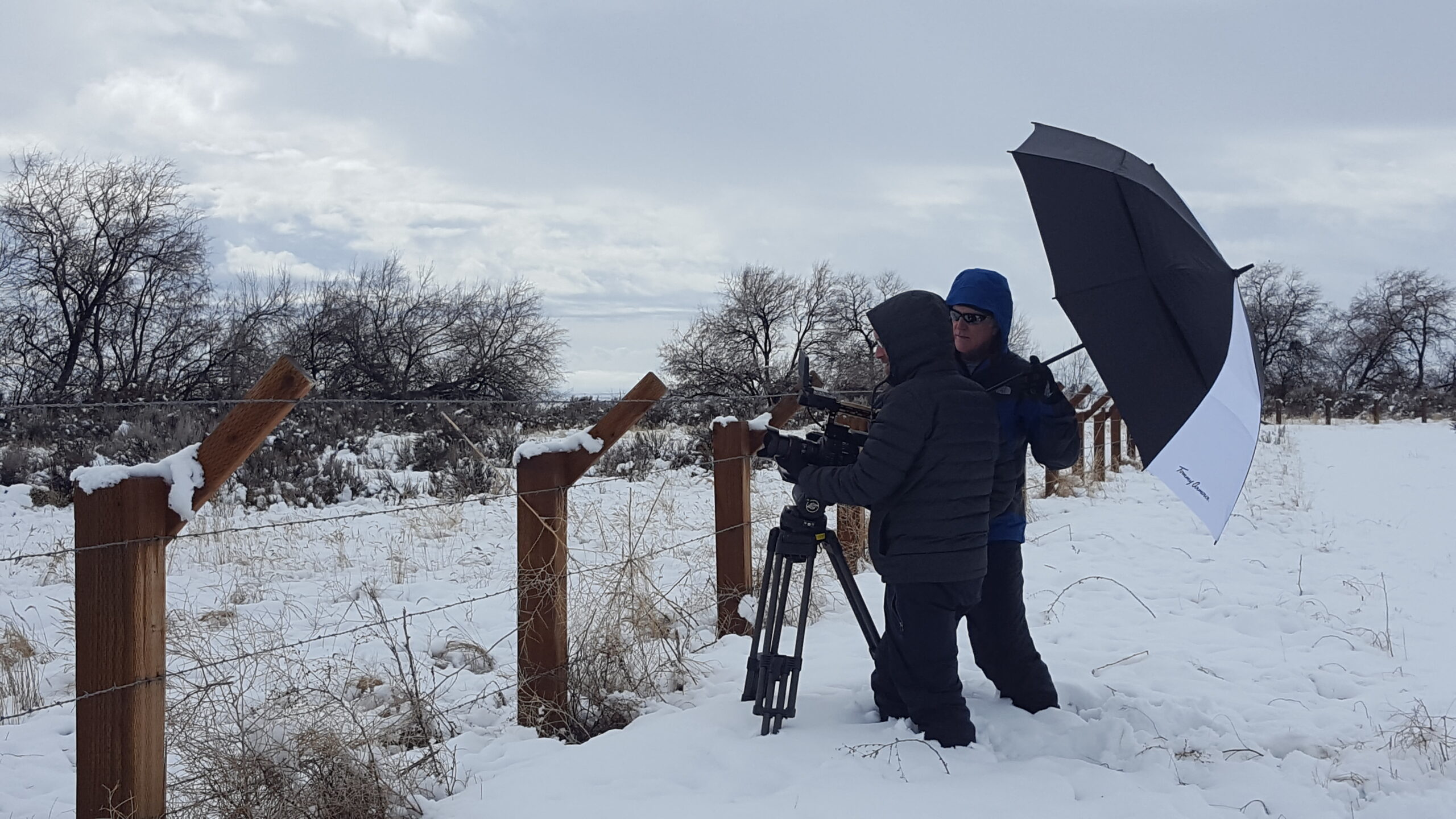
The Minidoka Pilgrimage Planning Committee exemplifies this growth, with the annual pilgrimage evolving from a modest gathering in 2003 to a four-day immersive experience drawing thousands of people to the site over the years. These are not mere visits but profound homecomings, blending education with community healing. When the 2020 pandemic threatened this tradition, the community’s resilience shone brightest: Kimiko Marr of Japanese American Memorial Pilgrimages and Minidoka National Historic Site created Tadaima! A Community Virtual Pilgrimage. With 365 programs reaching over 100,000 participants, it became the largest Nikkei activation since redress and one of the National Park Service’s most ambitious digital initiatives—proving that community bonds transcend physical boundaries.
This expanding circle continues through educational initiatives like the Japanese American Museum of Oregon’s traveling trunk, bringing incarceration history directly to southern Idaho schools. Through distance learning resources, Minidoka’s lessons reach classrooms nationwide, ensuring that each new generation understands not just what happened, but why it must never happen again. Every program, every pilgrimage, every student reached represents the community’s determination to transform a site of injustice into a beacon of democratic vigilance.
The joy in these accomplishments is real—each reconstructed building, each student reached, each pilgrim returned represents victory over erasure. The community that once faced imprisonment has transformed a site of injustice into a beacon of learning and healing. Where families were torn apart, families now gather. Where rights were denied, truths are now told.
Yet as we celebrate, we must heed Justice Murphy’s words from his Korematsu dissent: the Japanese American incarceration “falls into the ugly abyss of racism.”3 This history led our nation astray, without value or hope, and we need to acknowledge how “race prejudice, war hysteria and a failure of political leadership”4 failed our nation then and continues to do so now. Today’s political landscape carries uncomfortable echoes of those times—the same rhetoric of fear, the same targeting of communities, the same willingness to sacrifice constitutional principles for perceived security.
Frank Kitamoto, a Minidoka survivor, reminds us: “This is not just a Japanese American story but an American story with implications for the world.”5 As Minidoka enters its next quarter-century, it stands not as a relic but as a living classroom, teaching us that democracy requires constant vigilance. The preservation of this site—born from community determination, sustained by partnership, and animated by education—shows us that remembering is an act of resistance, and that joy can coexist with vigilance.
In celebrating 25 years, we honor those who refused to let this history disappear. We celebrate the survivors who return each year to share their stories. We celebrate the educators who ensure new generations understand. We honor those who have come before us and our ancestors who had to endure these hardships. And we commit ourselves to the ongoing work of protecting our constitutional rights that should never again be superseded, for anyone, anywhere.
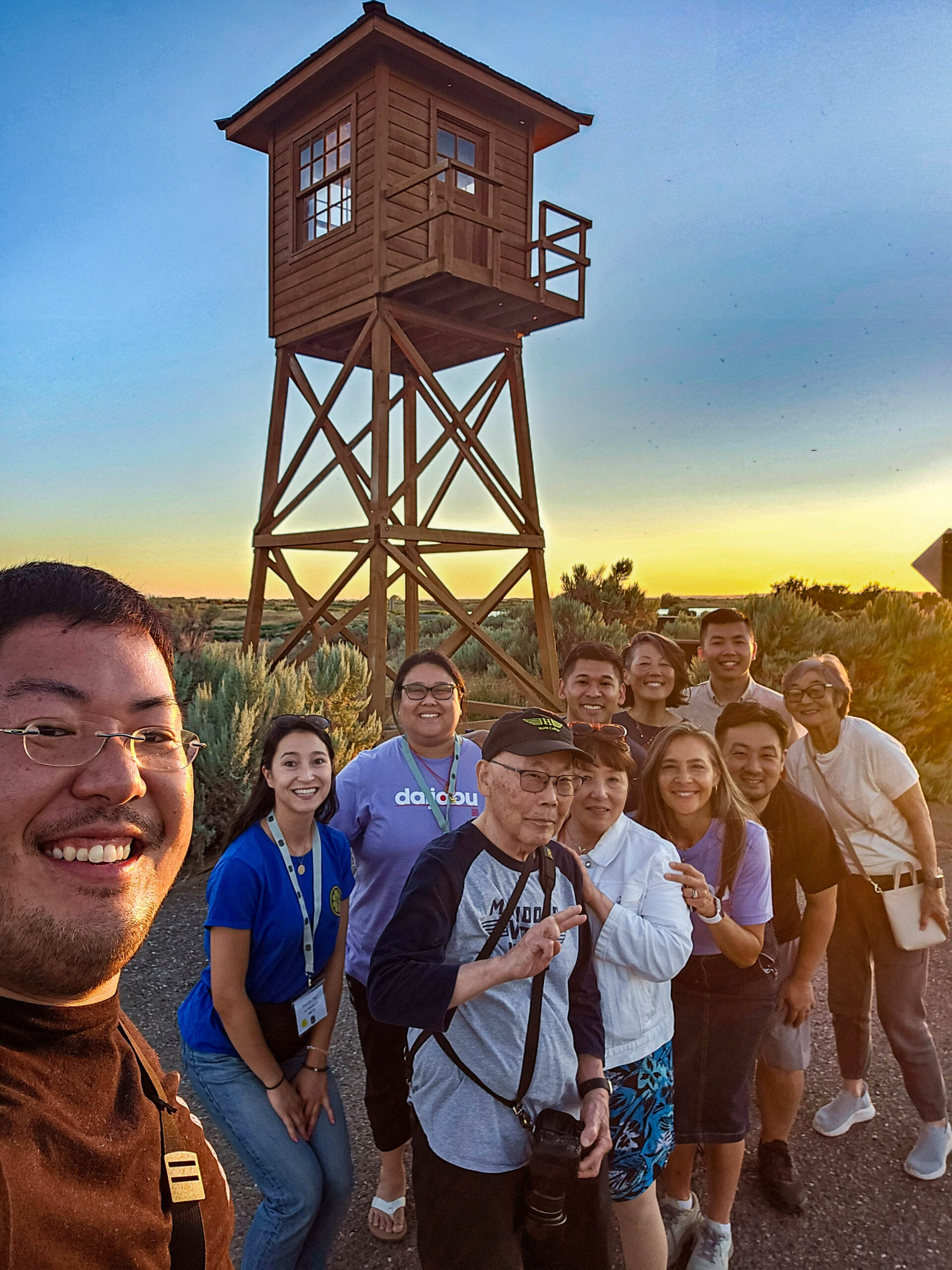
Okagesama de: I am what I am Because of You
Although it is impossible to acknowledge everyone who helped to create Minidoka National Historic Site, we should honor a few people who helped shape Minidoka to what it is today: Hiro “Hero” Shiosaki, Maya Hata Lemon, May Namba, Yosh Nakagawa, Frank Kitamoto, Bob Sims, Bill Vaughn, Dan Sakura, Steve Thorson, Jon Jarvis, Destry Jarvis, Don Barry, Teiko Saito, Janet Keegan, Jim Azumano, Keith Yamaguchi, Jerry Arai, Anna Tamura, Emily Hanako Momohara, Alan Momohara, Neil King, Dean Dimond, the Herrmann Family, and Mia Russell. Minidoka National Historic Site is a special place because of its dedicated advocates throughout the years.6
Additional Photos of Minidoka National Historic Site
Notes:
1. Historic marker at Minidoka National Historic Site.
2. You can view the 360˚ tour here through Minidoka’s partnership with Central Michigan University, by student Hannah Gulick.
3. Korematsu v. United States, 323 U.S. 214, 233 (1944).
4. Commission on Wartime Relocation and Internment of Civilians. Personal Justice Denied: Report of the Commission on Wartime Relocation and Internment of Civilians. Seattle: University of Washington Press and Washington D.C.: Civil Liberties Public Education Fund, 1997.
5. Tremayne, R.M., Shallat, T. and Lavitt, M.R. (2013) Surviving Minidoka: The Legacy of WWII Japanese American incarceration. Boise, ID: Boise State University Publications Office, College of Social Sciences and Public Affairs.
6. You can see the award winning park film, Minidoka: An American Concentration Camp, featuring survivors’ voices, ensuring their stories echo through time.
—
This post is a special guest contribution by Hanako Wakatsuki-Chong, Executive Director of the Japanese American Museum of Oregon.