December 22, 2025
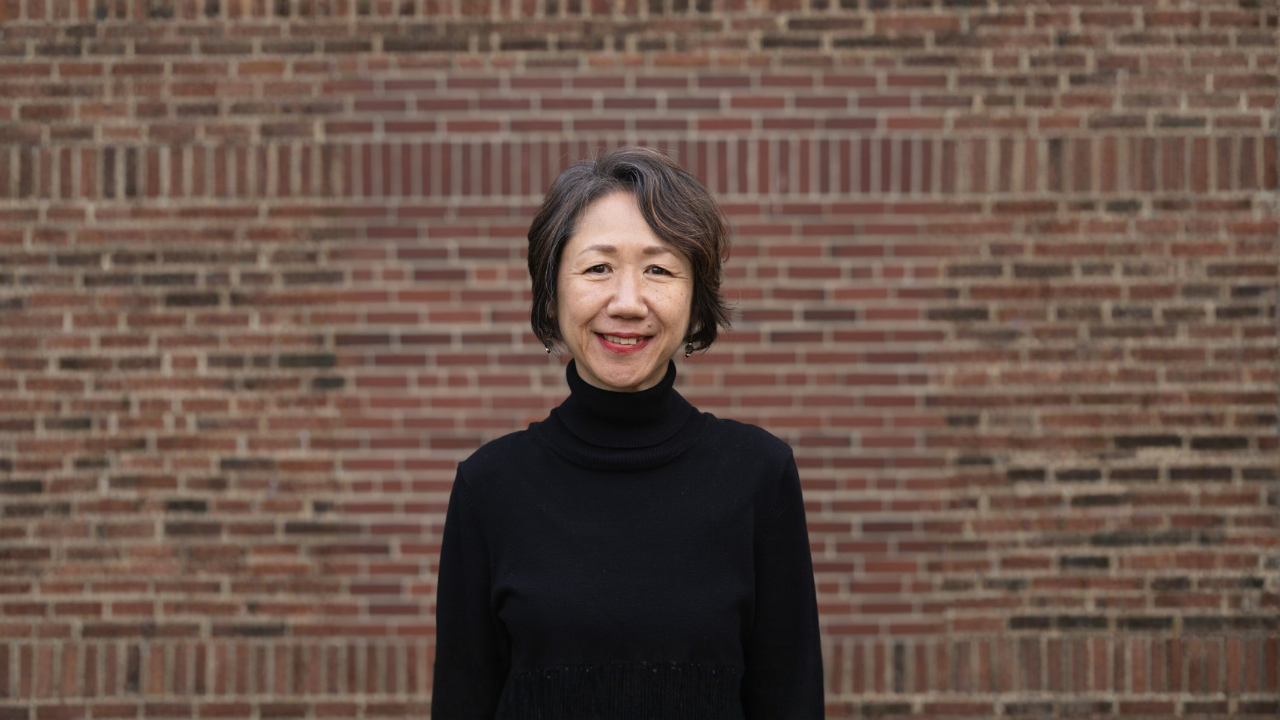
After nearly two decades of dedicated service, Densho’s Japanese Researcher and Translator Naoko Tanabe is retiring at the end of this year. Since joining Densho in 2006, Naoko has worked as an events coordinator, bookkeeper, office manager, Japanese researcher, and translator. In addition to organizing the annual “Sushi and Sake Fest,” Naoko played a crucial role in translating Densho’s Japanese-language website and in running the Koseki Retrieval and Translation Project for Densho’s Family History Program.
In an exchange with Densho Development and Communications Manager Jennifer Noji, Naoko recounts some key memories, reflections, and major takeaways from her time at Densho. In addition, Densho staff share some highlights and core memories of working with Naoko.
In Conversation with Naoko
Jen Noji: Can you please share an overview of your time at Densho, including when you started and your positions?
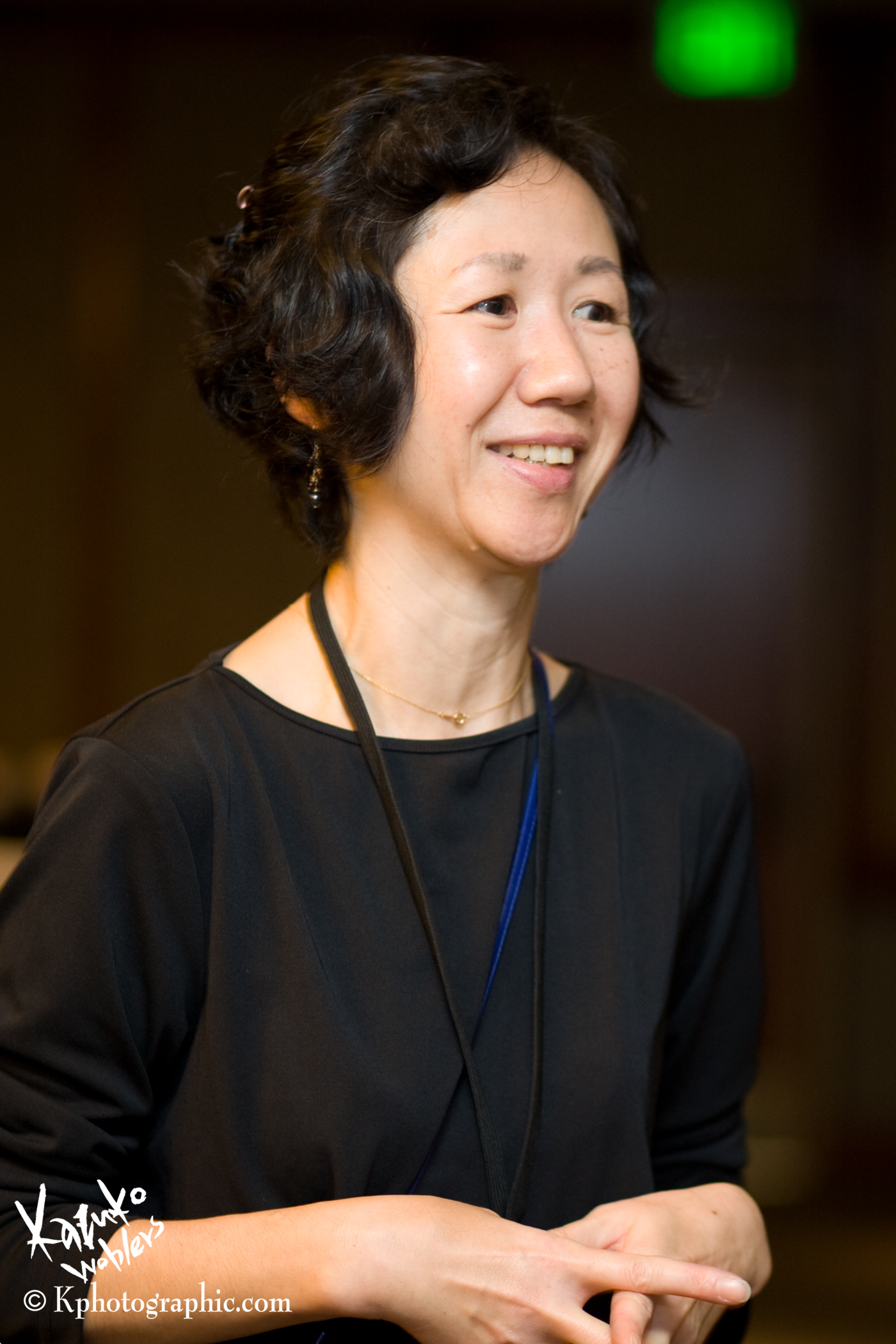
Naoko Tanabe: I began working with Densho in 2006 and have been with the organization for almost 20 years. Before that, in 2005, I worked part-time as a bookkeeper for the Japanese American Chamber of Commerce (JACC), Densho’s parent organization. Although JACC was no longer very active, it continued to host its annual “Sushi and Sake Fest.” When the organization decided to discontinue its activities, Densho inherited the community event—and I came along with it.
My first title at Densho was Special Events Coordinator, and over time I gradually took on bookkeeping and other administrative responsibilities. I became a full-time Office Manager around 2013. In addition to day-to-day bookkeeping and some building maintenance, my major annual projects included tax filings and financial audits. I also managed Densho’s annual fundraising event back when we held in-person gatherings before COVID.
My current title is Japanese Researcher and Translator, and I work on Koseki Retrieval and Translation Project for Densho’s Family History Program.
Jen: Throughout your time at Densho, what have been some favorite memories, core moments, or projects that you are particularly proud of?
Naoko: One of the most challenging projects for me was our annual fundraiser. The “Sushi and Sake Fest” was a major community event held every fall for about ten years before it evolved into the “Densho Dinner,” a more traditional fundraising event. Things always became hectic as the event approached, and the day-of was completely intense. I can’t believe I now look back on those days with a bit of fondness!
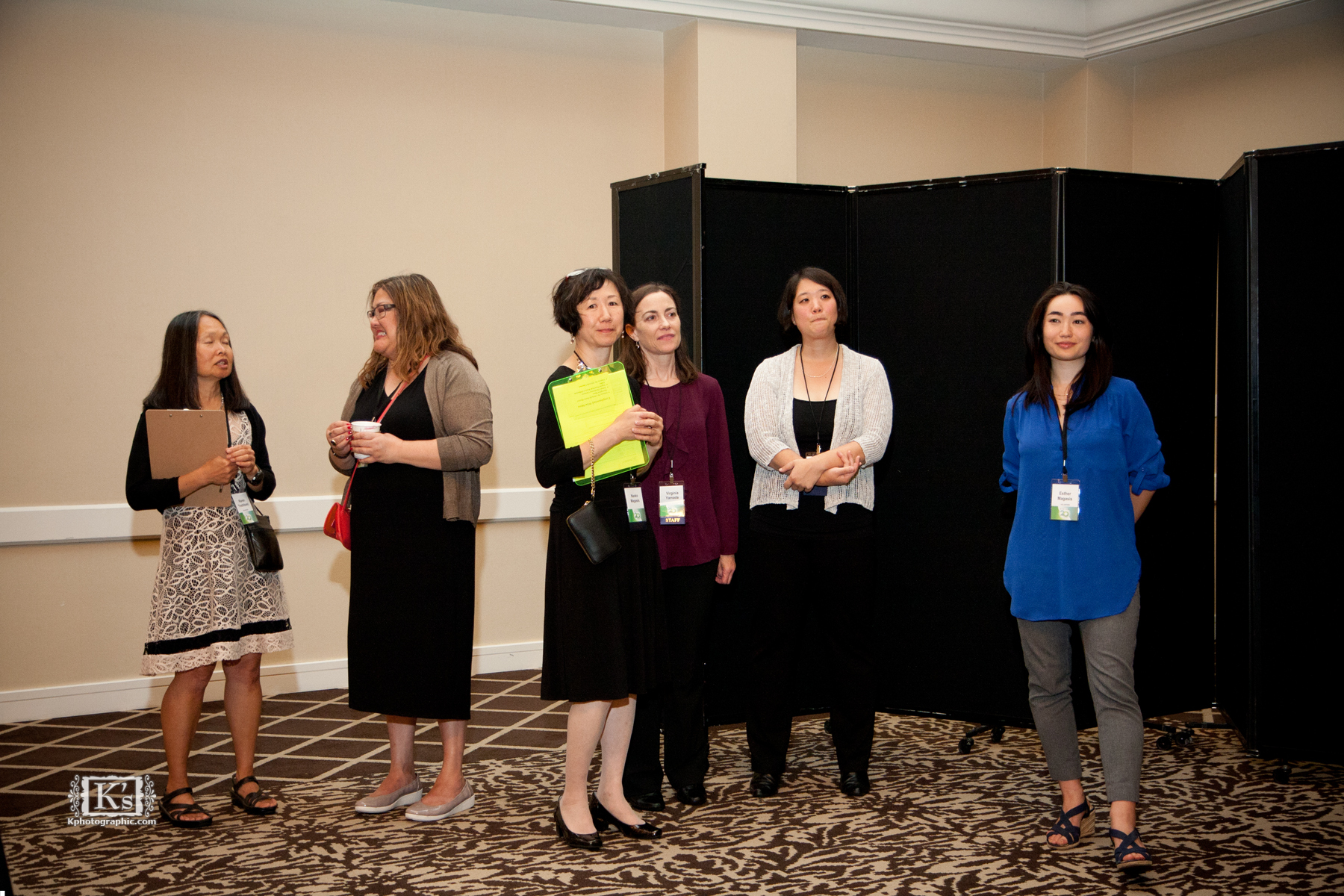
Another Densho project I’m proud of is the Japanese-language website, originally launched in 2010. It was updated in 2015 but later became unavailable for a time due to technical issues. We received a grant to renew and update the site in 2023, and it is now up and running again. I hope many people in Japan will use the site to learn about Japanese American history and reflect on Japan’s own immigration policies.
I am also having so much fun with our Koseki Retrieval and Translation Program. It is Densho’s way of giving back to the community, and Caitlin [Densho Archives Director] and I are glad to have a steady stream of inquiries and many happy clients. A Koseki may only list vital records, but it still manages to paint a meaningful picture of a family’s past.
Jen: Can you tell me a little more about the Japanese-language site?
Naoko: Yeah, the Japanese website is a standalone website, and it’s actually a bilingual site. It has three modes; it can be English, it can be in Japanese, or it can be Japanese with hiragana on it, so you can read it without being able to read all the kanji.
It’s concise, so it’s not really overwhelming. It’s got a lot of photos and quotes from our interviews, so it is utilizing a lot of our firsthand materials—photos and slide shows and videos. And you can pick and choose what to learn about. If you want to know about the Issei generation, you can just go to that chapter. Or if you want to look at some materials on stories during World War II, you can go there too. So it’s really well organized. I really like the website.
Jen: That’s great. When you were translating the text for that Japanese website, did you find it difficult to translate any specific words or phrases?
Naoko: Sometimes. Because sometimes you have three different options, but they’re slightly different from each other, so you need to find out which word will be the best choice for this particular sentence. But I like translating. It’s an enjoyable project for me.
Koseki translation is very different because it’s cut and dry. It’s like dates and locations. It’s not like translating sentences and chapters and stories.
Jen: Were there other Japanese language resources on the incarceration that you could reference, or did you just use your best judgment?
Naoko: Sometimes there are official words you need to use. So I did a lot of research on Wikipedia and, sometimes, scholars papers just to see like, “incarceration” versus “internment.” “What’s the Japanese word for that?” And you don’t want to mix them up. Some words just have different nuances, but some of them need to be accurate.

Jen: Are there any other key moments or enjoyable projects that you want to mention?
Naoko: I also had some opportunities to introduce the Densho website and talk about this history to groups of Japanese students. I was working with a company that does exchange programs, like study abroad programs. They sometimes have students coming over to Seattle for months, doing some sightseeing and also some studying. As part of the program, I presented our website and talked about Japanese American incarceration history. As I said, it wasn’t really taught in Japan. It wasn’t in textbooks, so people don’t know about it.
But for some reason, this history always strikes the students as a success story. Because now Japanese [American] people are not that discriminated against—they’re like citizens. They were having a hard time, but now they are completely assimilated in society. But that’s not the only side I would like them to look at. I think it is important for Japanese people to see the other end of the story, to know how people are fighting against prejudice and discrimination.
I’m hoping that people using our website learn more about immigration stories—not only the story that “all foreigners are bad.” I am hoping that a few students might think like, “Huh, what’s happening in our country? How are [foreigners] treated by us?”
Jen: What are your plans for the future?
Naoko: I will still be working on our Koseki Retrieval and Translation Program as a contractor, but am looking forward to having more time to spend with my family and friends.
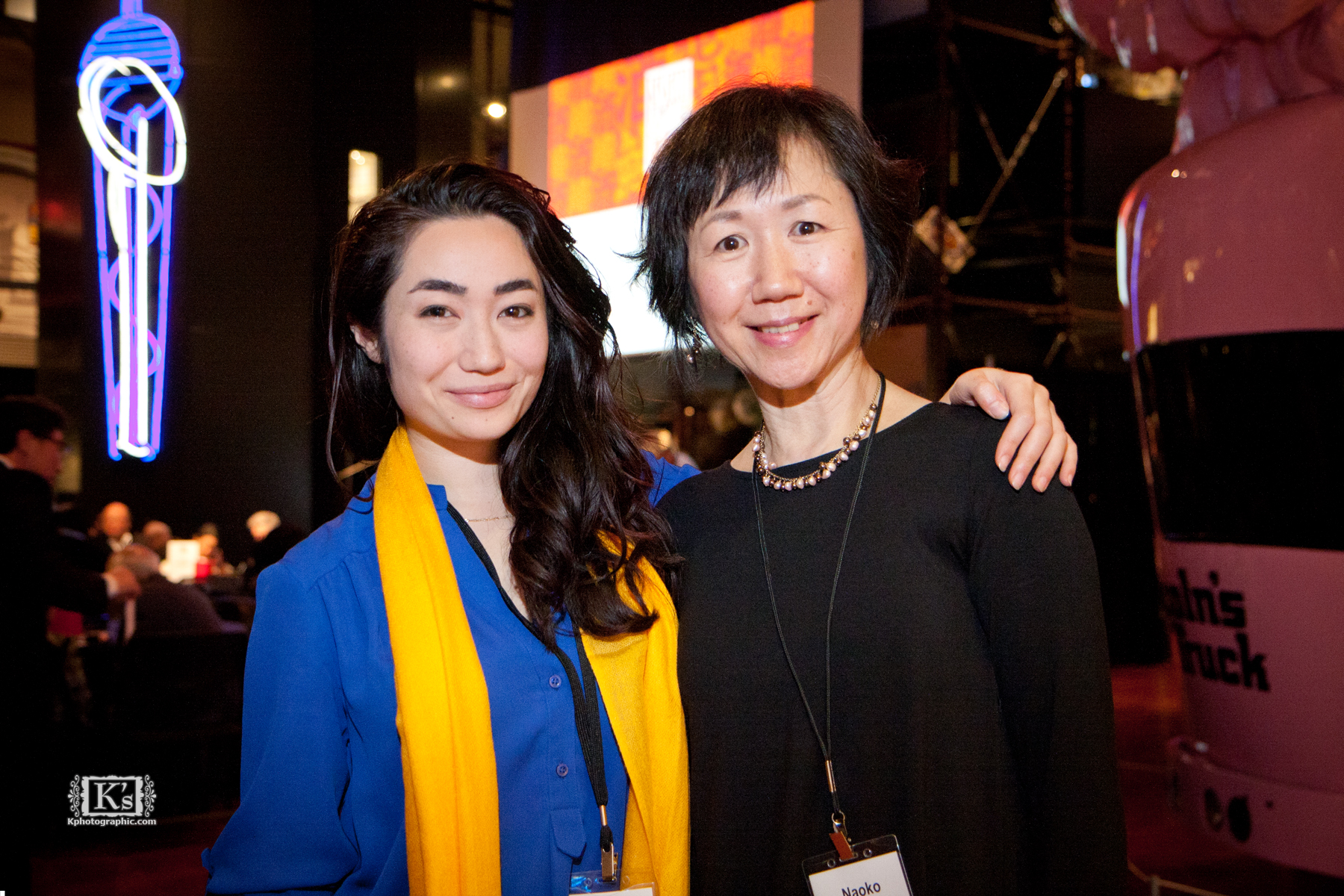
Jen: Is there anything else about Densho, or your time here, that you would like to share?
Naoko: I knew very little about Japanese American history before I started working for Densho. It wasn’t really taught in Japan. My time here has given me a broader perspective and helped me see the world with a deeper respect for others.
I hope Densho continues to serve as a story keeper and trusted source for everyone!
Staff Memories and Reflections
Densho staff members who worked closely with Naoko have nothing but good things to say about her. Some staff shared key memories, reflections, and words of appreciation:
“It’s been such a pleasure working with Naoko for 14 years, but especially for the last few as we’ve collaborated on the koseki retrieval and translation project. She’s helped so many families connect to their Japanese ancestors, and seeing how thankful they are has been amazing.” – Caitlin Oiye Coon, Archives Director
“Naoko is cheerful, positive, reliable and has an incredible work ethic. She has a way of making you feel like everything will be okay. Naoko is at the heart of so many of our key activities: koseki retrieval, our Japanese-language website, and Sushi & Sake. We shared many laughs over the years, even during late nights organizing fundraising events. I’ll miss those times!” – Dana Hoshide, Operations Director
“Having the good fortune to have worked with Naoko for so many years, I have seen firsthand how her kindness, humility, curiosity, perseverance and appreciation for teamwork have made a positive and lasting impact on her coworkers and our community members. Never afraid to roll up her sleeves and tackle a difficult or tedious task, and never willing to leave anyone alone to do it all by themselves, Naoko has always been the best work buddy whose sense of humor (in two languages!) can get you through just about anything, even at the end of an 18 hour event day. I will always have fond memories of how every fall I would learn a little more Japanese from overhearing Naoko on the phone as she spent weeks, tireless and good natured, working with all of our chefs, restaurant owners, and vendors to coordinate our highly popular annual Sushi & Sake Fest, an event that could not have succeeded without her!” – Virginia Yamada, Oral History Program and Grants Manager
“I’ve had the great pleasure of knowing Naoko since the very beginning of her time with the Japanese American Chamber of Commerce, and into her transition working full time with Densho. She has served in many roles, always with good-natured tenacity and a sense of dedication to the mission. We were so lucky to have had her skills and perhaps most importantly, her humor and humanity in navigating the often complicated and sometimes heavy aspects of Densho’s mission. I will miss working with her, I will miss talking about our families, and I will miss her vibrant personality bringing joy to the office.” – Geoff Froh, Deputy Director
“I have always appreciated Naoko’s thoughtfulness, care, and deep sense of responsibility to the people and histories entrusted to Densho. One of Naoko’s lasting contributions was the way she helped bridge Japan and the Japanese American community. Through language, research, and relationships, she helped make these histories more accessible across both borders and generations. I will especially miss her positivity, support, and uplifting spirit.” – Naomi Ostwald Kawamura, Executive Director
“Working with Naoko was a joyful exploration. Every year I discovered new strengths she brought to Densho—strengths that made our organization better in ways that are still felt today. She helped create and run major fundraising events with more than 1,500 attendees, managed the financial side of a growing nonprofit with care, and then later applied her deep language skills and cultural insight to help build our Japanese-language website and help Japanese Americans explore their Japanese roots. I always admired how Naoko carried enormous responsibility while never losing her positive spirit. Even during the intensity of our fundraising events—when most of us were running around with our hair on fire—she brought calm, humor, and grace. Naoko’s work is woven into Densho’s history, and I feel lucky to have shared so many years with her as a colleague and friend. I hope she steps into retirement knowing how deeply her contributions mattered—and how warmly she is appreciated.” – Tom Ikeda, Founding Executive Director
Densho remains grateful and indebted to Naoko for all of her hard work and crucial contributions to the organization. Our Japanese-language website and our Koseki retrieval and translation services would not exist without Naoko.
From everyone at Densho: Thank you, Naoko, and congratulations on retiring!
—
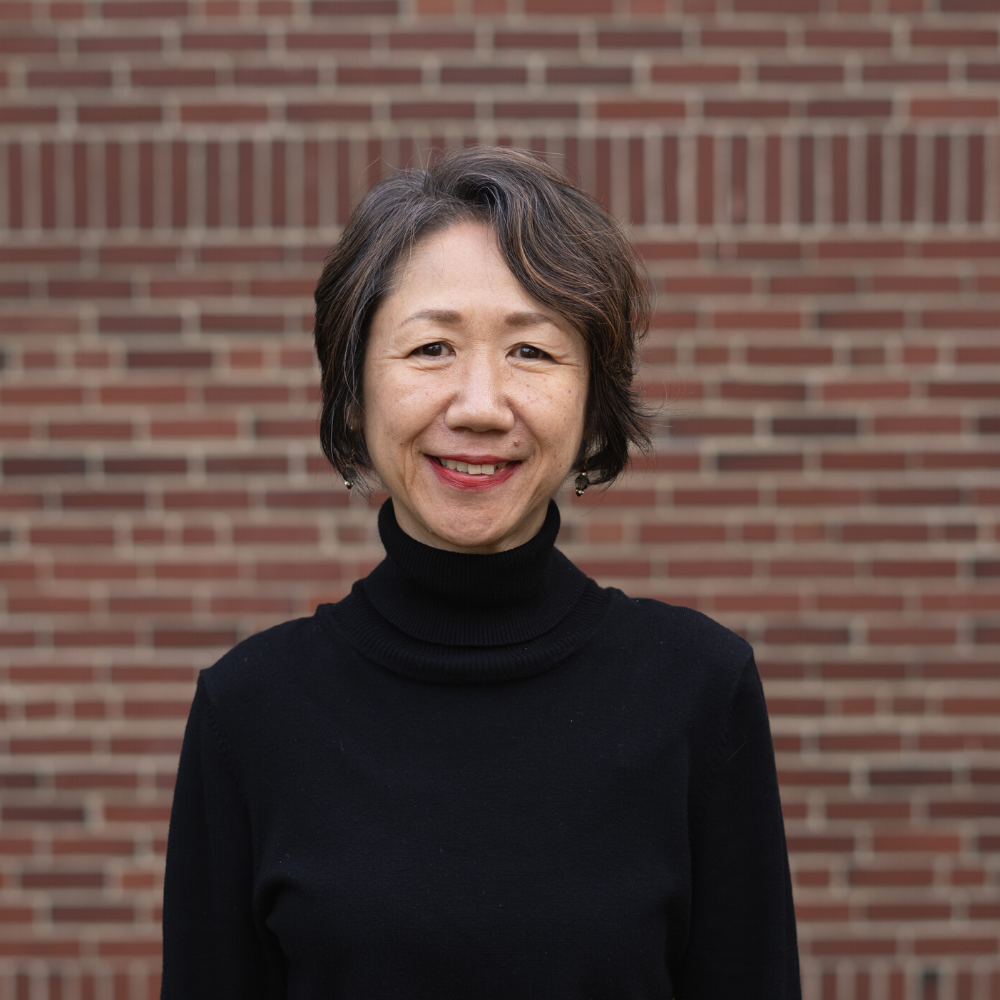
Naoko was born in Kobe, Seattle’s sister city, and raised in Kyoto, Japan. She graduated from Kobe College with a BA in English and worked in Osaka before she came to the U.S. in 1987. She manages Densho’s fundraising events, processes financial transactions and reports, and translates materials.