January 20, 2026
In this Intern Spotlight post, Densho Archives Team intern Kathryn Perry Bolin explores upcoming additions to the Yasui Family Collection, a rich collection illuminating both a landmark legal case and the intimate contours of everyday life. While Minoru Yasui’s courageous challenge to wartime incarceration remains central to Japanese American history, letters exchanged among his siblings and relatives—filled with affection, humor, and everyday details—offer new insight into the personal lives behind a famous name. Kathryn demonstrates how engaging with historical materials on a personal level can enhance our understanding of Japanese American life beyond the scope of World War II.
The last name “Yasui” may ring a bell to those familiar with Japanese American history in the Pacific Northwest. In particular, you may have heard of Minoru Yasui who deliberately defied a wartime curfew imposed on Japanese Americans in 1942. Minoru, originally from Hood River, Oregon, broke the curfew in order to call attention to its discriminatory basis and took his case to the Supreme Court. His coram nobis petition in the Yasui vs. United States case (1983) resulted in a reversal of his conviction, however, the government did not officially admit to wartime misconduct. In order to fight that injustice of the court’s wrongdoing, Minoru attempted to appeal again, but the case was dismissed after his death in late 1986. Minoru Yasui’s case exemplifies activism and resistance, highlighting the unconstitutional discrimination faced by Japanese Americans during World War II.
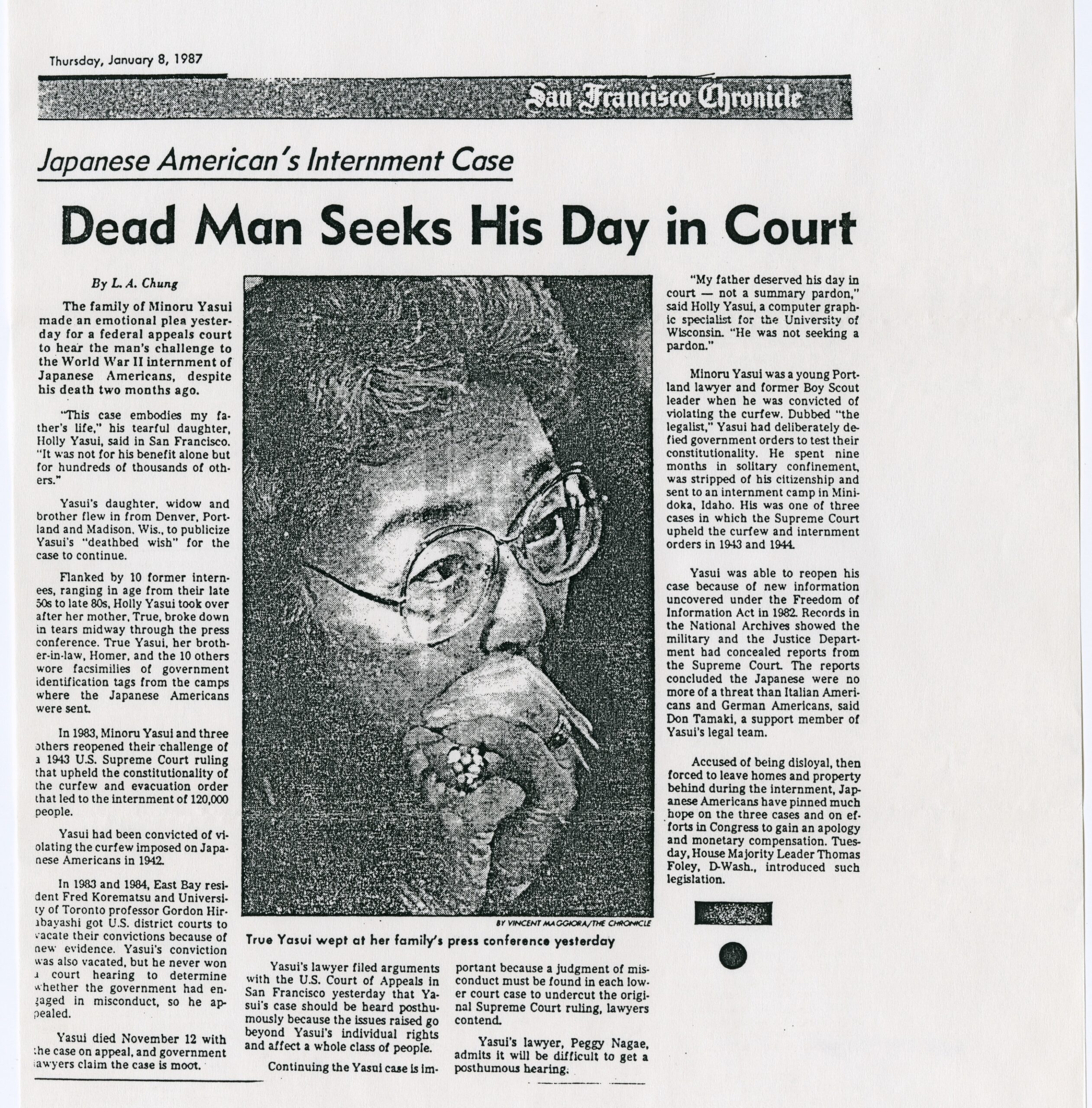
You can learn more about Minoru’s life and advocacy in the Densho Encyclopedia (See: Minoru Yasui, Yasui v. United States, and Coram Nobis Cases). Additionally, Densho’s Collections Team is currently working on a two-year collaborative project with the Oregon Historical Society to make 7,000 Yasui family and business materials digitally accessible. These materials highlight the story of the Yasui family’s immigration to America, agricultural business, wartime experiences, participation in the Redress Movement, and family life.
One collection within the papers contains correspondence among Minoru’s siblings, Shu (Robert) Yasui (1930-2015), Homer (1924-2023), and Yuka (1923-2012). The three siblings, each Nisei, were raised in Hood River, Oregon, and Homer and Yuka were incarcerated at Tule Lake in 1942. Homer and his wife, Miyuki (Miki), lived in Portland, Oregon where Homer worked as a surgeon. Though Yuka’s early schooling was interrupted by forced removal, she went on to receive a masters degree in Nursing, a masters in Public Health, and a Fulbright Scholarship which allowed her to study in Japan. While there, she met her future husband, Toshio Fujikura, and they later settled in Rockville, Maryland. Shu avoided incarceration by relocating to Denver, Colorado. He married Phyllis (née Hoffman) and lived in Williamsport, Pennsylvania where he practiced surgery.
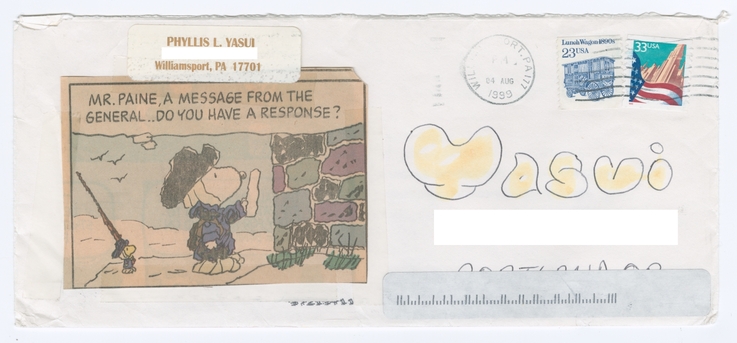
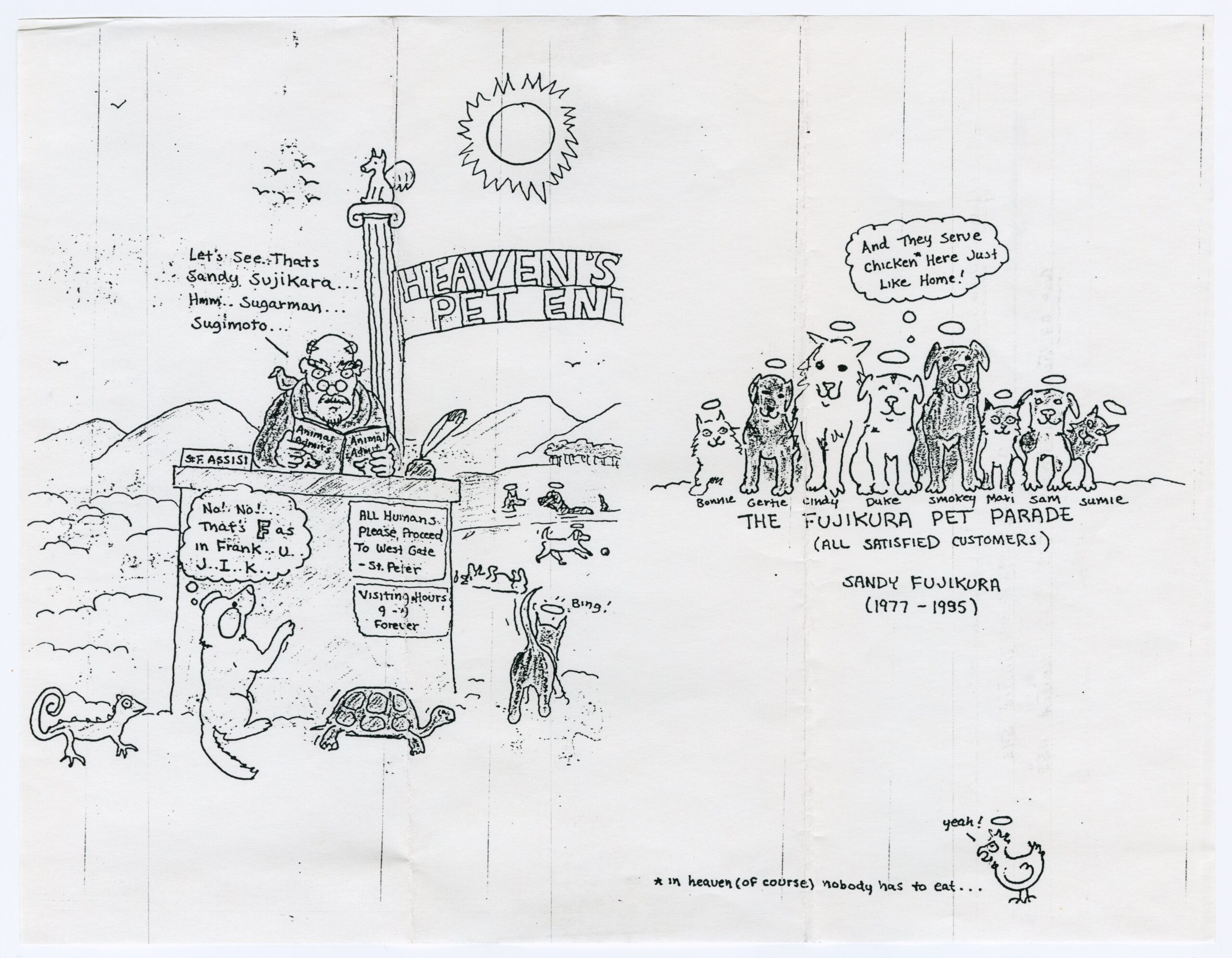
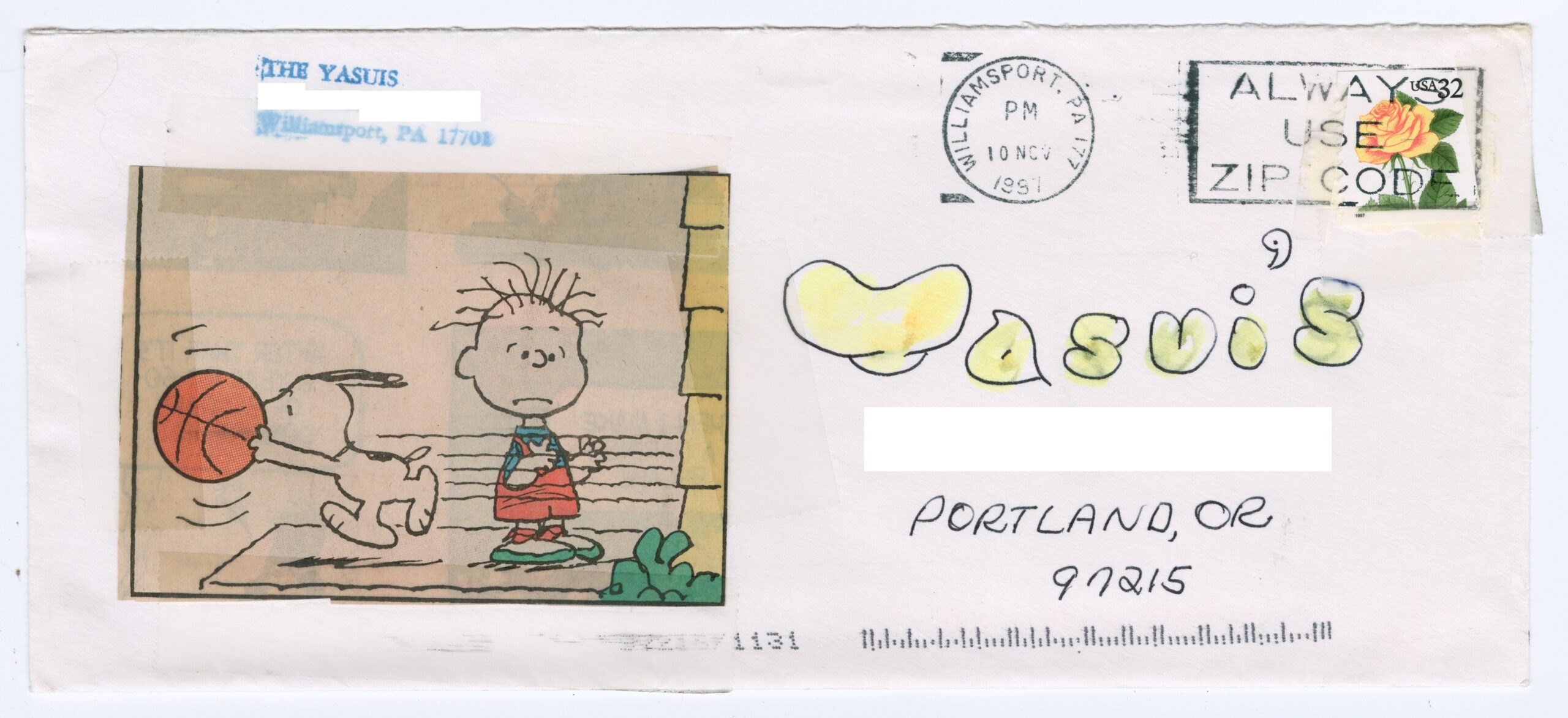
During the 1980s and 1990s, the three wrote to each other frequently, often sharing updates about their families and travels while exchanging holiday and birthday cards. In his 2003 interview with the Japanese American Museum of Oregon, Homer described Yuka as a “prolific letter writer,” which is evident throughout the Yasui Family Collection. Her love for dogs appears frequently in her letters, reflected in paw-print stamps on envelopes, dog-themed holiday cards, and cartoons of pets hand-drawn by her son, Tyra. Shu’s correspondence rarely arrived without a cartoon glued to the envelope, often featuring Snoopy, hinting at a fondness for dogs as well.
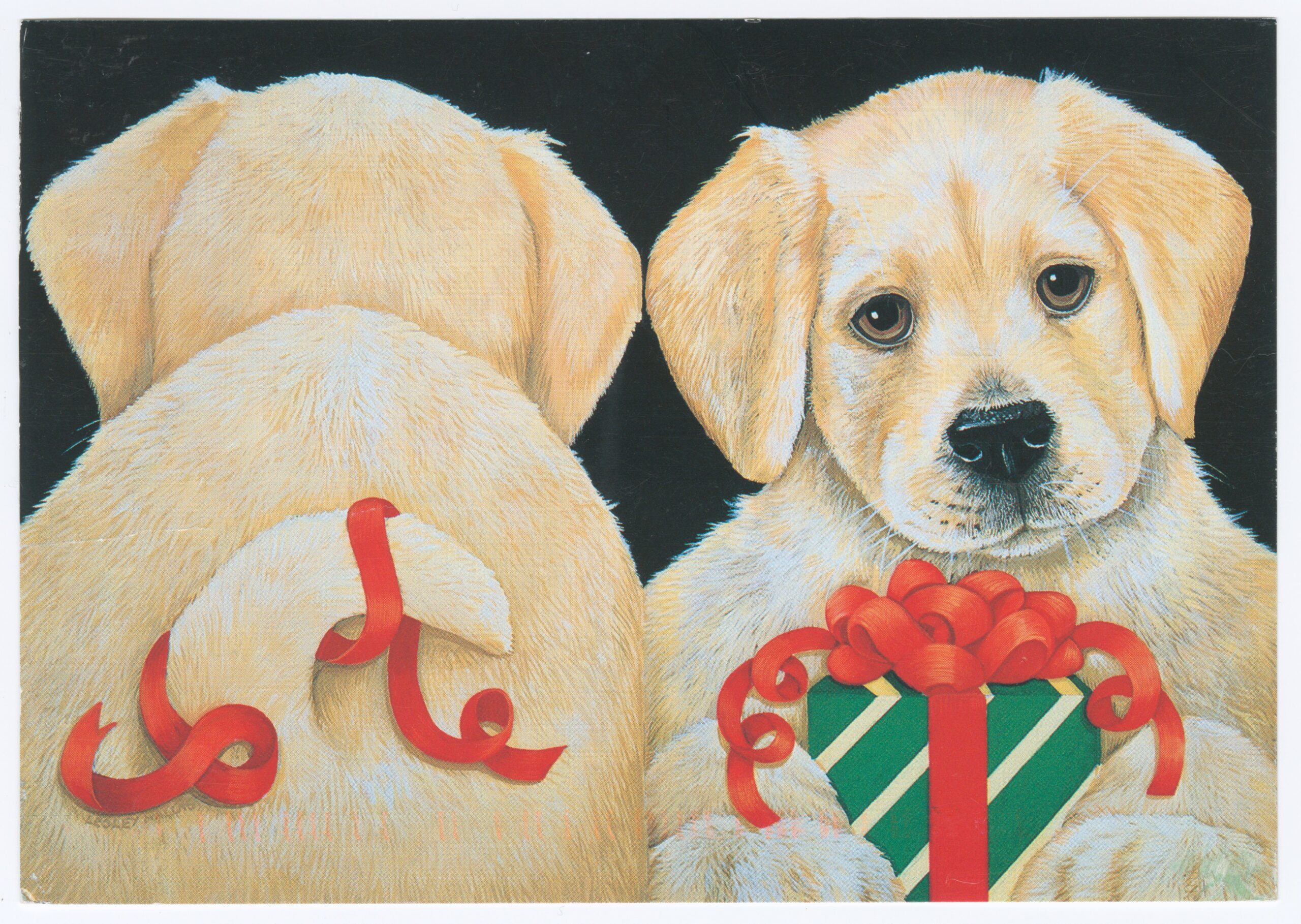
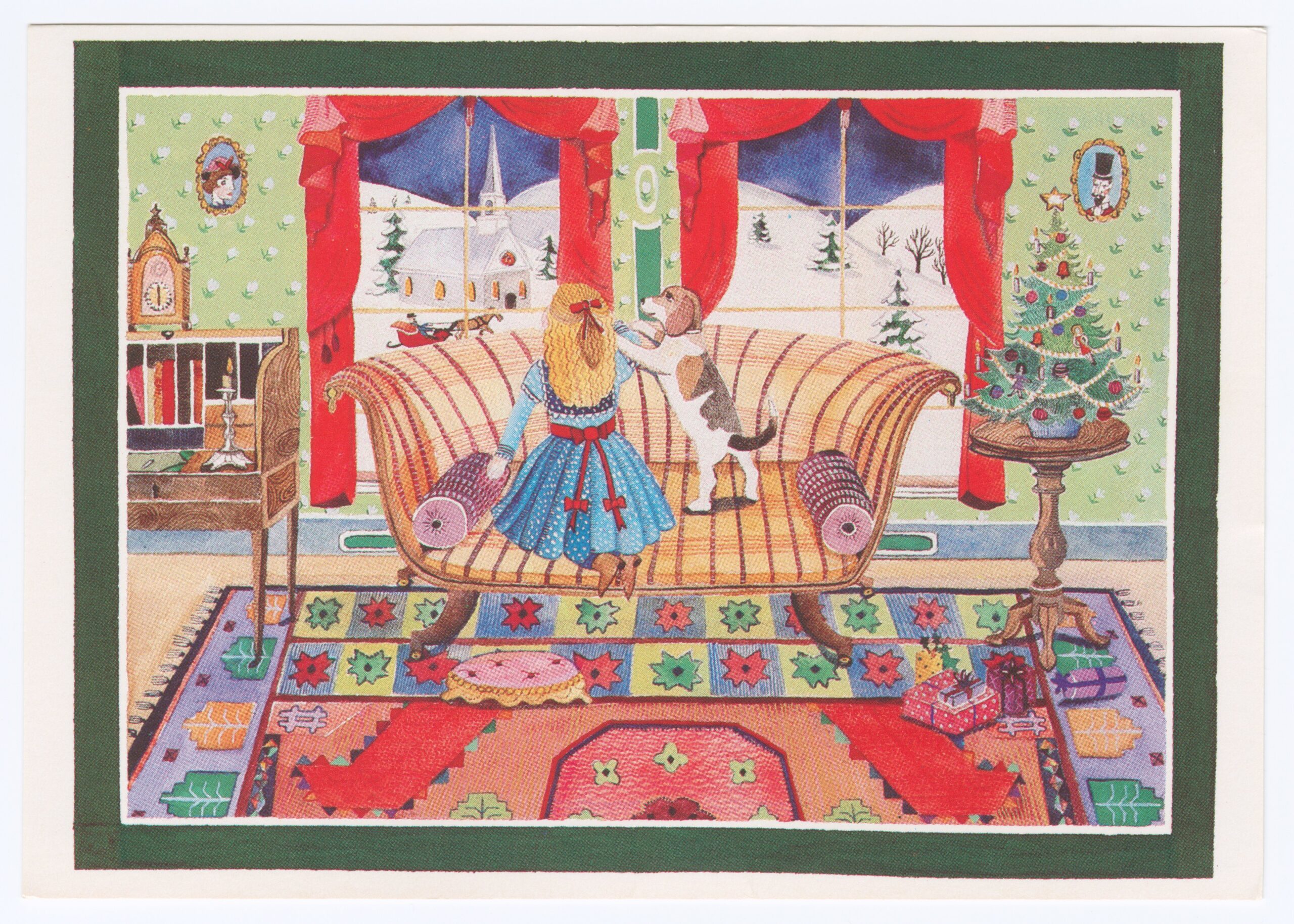
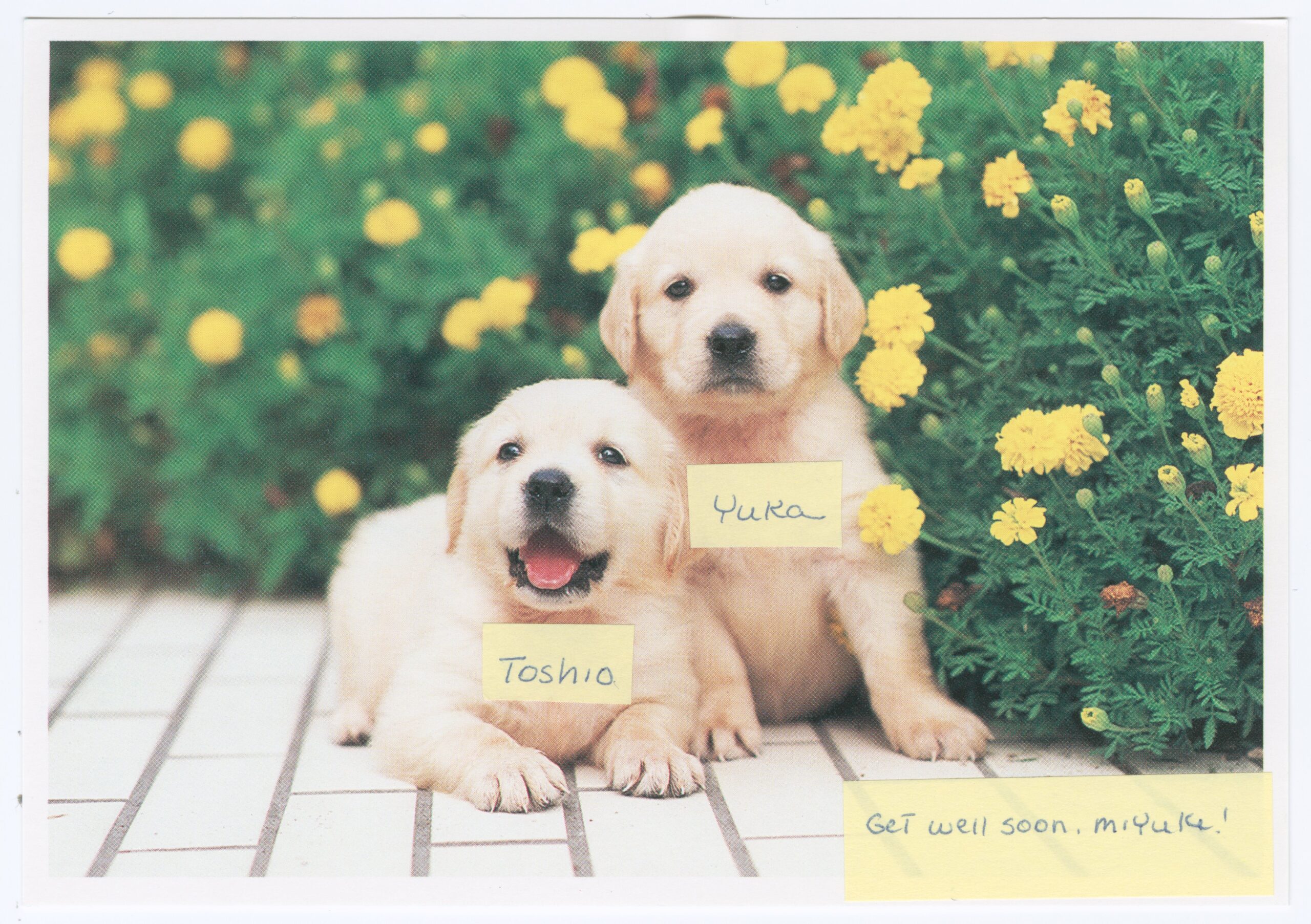
Together, these letters offer an intimate counterpoint to Minoru Yasui’s well-known legal legacy. While his case represents a landmark challenge to wartime injustice, the correspondence among Shu, Homer, and Yuka reveals the postwar lives of Japanese Americans and their loved ones whose lives were shaped by wrongful incarceration and family separation. Through ongoing exchanges, affectionate cards, and whimsical cartoons, the Yasui Family Collection offers researchers and the public an opportunity to engage with historical materials on a personal level, enhancing our understanding of Japanese American life beyond the scope of World War II.
—
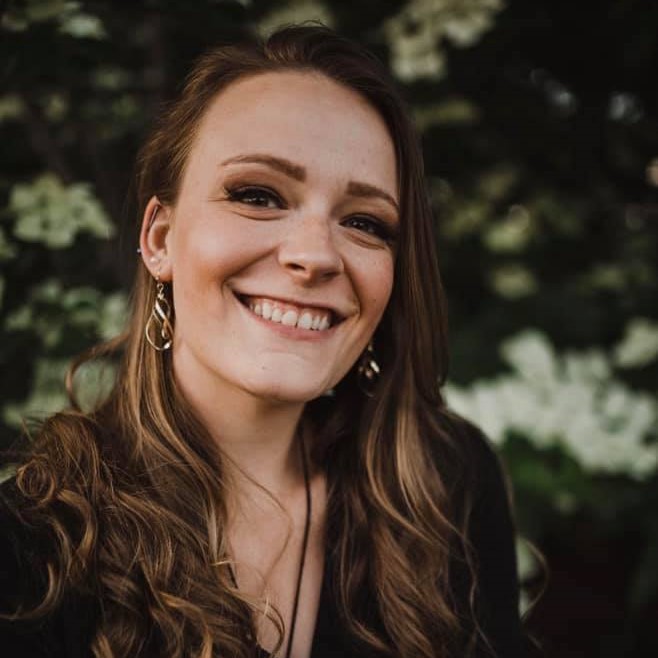
Kathryn Perry Bolin is a graduate of the University of Washington’s Master’s in Information and Library Science (MLIS), and recently completed an internship with Densho’s archives team. She also has a Master’s degree in History and enjoys being able to combine her interests in community archiving with digital preservation of marginalized histories.
All images are from the forthcoming Yasui Family Papers Collection. Courtesy of the Yasui Family Papers Collection, Densho and the Oregon Historical Society.
This project is supported by a Digitizing Hidden Collections grant from the Council on Library and Information Resources (CLIR). The grant program is made possible by funding from the Mellon Foundation.